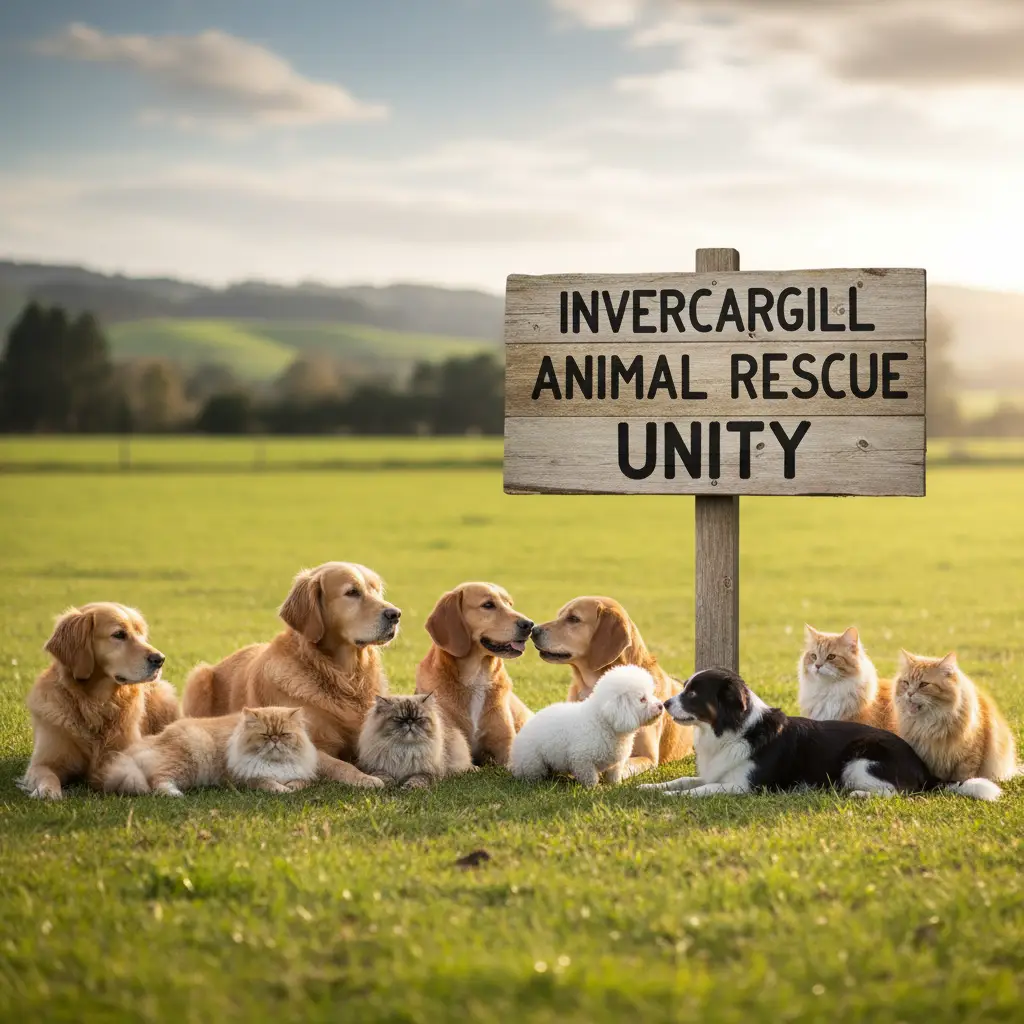
Southland Animal Shelters
Animal rescue Invercargill refers to the network of charitable organizations, municipal services, and volunteer groups in the Southland region dedicated to the welfare, rehabilitation, and rehoming of stray, abandoned, or abused animals. Primary entities include Furever Homes and the SPCA Southland Centre, which facilitate adoption, veterinary care, and foster placements for pets in need.
Understanding Animal Rescue in Invercargill
Southland, known for its rugged landscapes and agricultural heartland, is also home to a compassionate community dedicated to animal welfare. In the city of Invercargill and the surrounding districts, the need for robust animal rescue services is constant. From stray kittens born under rural wool sheds to working dogs retiring from service, the variety of animals requiring assistance is vast.
The landscape of animal rescue in Invercargill is distinct from larger metropolitan areas. Unlike cities with massive, centralized shelter facilities, Southland relies heavily on a hybrid model of physical centers and extensive foster care networks. This community-driven approach ensures that animals are not just housed, but socialized within home environments, making them better candidates for permanent adoption.
Navigating the local rescue scene requires understanding the difference between animal control (managed by the City Council) and animal welfare (managed by charities like the SPCA and Furever Homes). While the former deals with registration, noise complaints, and wandering stock, the latter focuses on health, rehabilitation, and finding forever homes. This guide serves as a comprehensive resource for prospective adopters, tenants looking to secure pet-friendly housing, and anyone wishing to support the welfare of animals in the deep south.
Furever Homes Invercargill: A Foster-Based Lifeline
Furever Homes Invercargill has established itself as a cornerstone of the local animal rescue community. Unlike traditional shelters that may rely solely on kennels, Furever Homes operates primarily through a network of dedicated foster carers. This model is particularly effective for behavioral assessment, as animals are observed in a real-world home setting rather than a stressful shelter environment.
The Mission and Operation
The organization focuses on rescuing, rehabilitating, and rehoming cats and dogs that have been abandoned, surrendered, or are at risk of euthanasia in municipal pounds. Their mission extends beyond simple rehoming; they are deeply involved in desexing campaigns to control the population of unwanted animals in the region. By prioritizing de-sexing, they tackle the root cause of the stray population crisis in Southland.
The Adoption Process
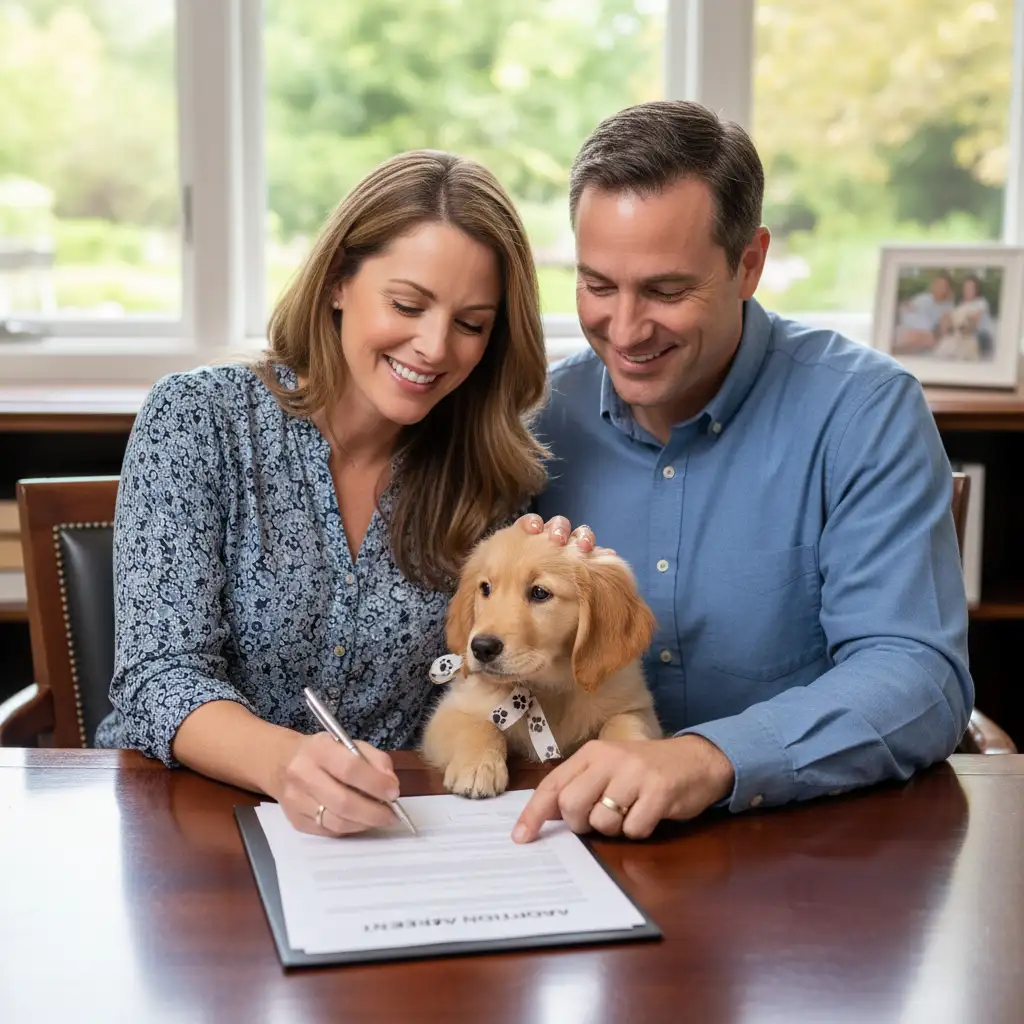
Adopting from Furever Homes is a rigorous process designed to ensure the safety and happiness of both the animal and the adopter. The steps typically include:
- Application: Prospective owners fill out a detailed questionnaire regarding their lifestyle, housing situation, and experience with pets.
- Meet and Greet: Because animals are in foster care, meet-and-greets are arranged by appointment. This allows the adopter to see how the animal behaves in a home.
- Property Check: To ensure security, particularly for dogs, a property inspection is conducted to verify fencing and shelter.
- Trial Period: Many adoptions begin with a trial period to ensure the match is perfect before finalizing the paperwork.
SPCA Southland Centre: The Guardian of Animal Welfare
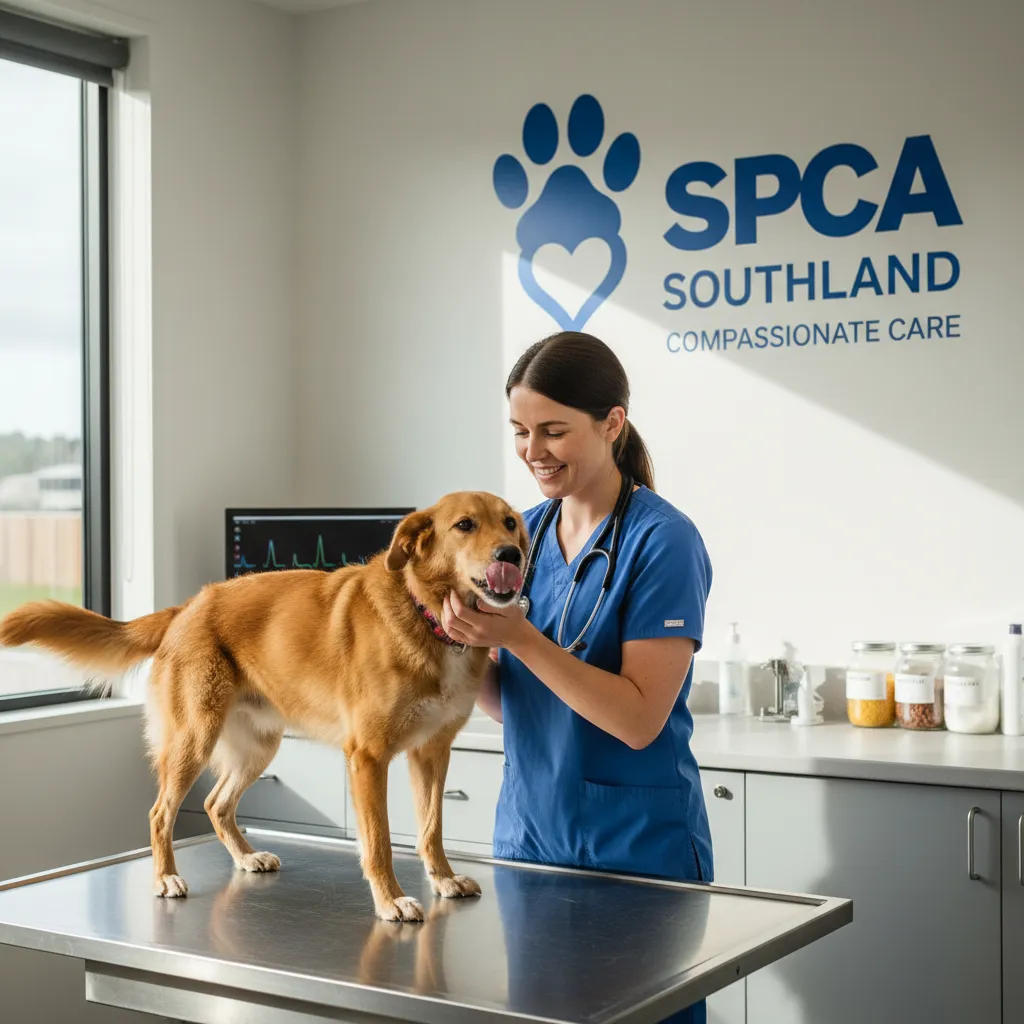
The Society for the Prevention of Cruelty to Animals (SPCA) is New Zealand’s oldest and largest animal welfare charity. The SPCA Southland Centre, located in Invercargill, serves as the region’s primary hub for investigating cruelty and caring for sick and injured animals.
Inspectorate and Animal Welfare
One of the key distinctions of the SPCA is its Inspectorate arm. SPCA Inspectors are the only charitable officers in New Zealand appointed under the Animal Welfare Act 1999 with the power to investigate complaints of cruelty, neglect, and abandonment. If you witness an animal in distress in Invercargill—whether it is a horse without water in a paddock or a dog left in a hot car—the SPCA is the authority to contact.
For more information on the legal powers of the SPCA and the Animal Welfare Act, you can visit the official SPCA New Zealand website, which details their statutory responsibilities and nationwide impact.
Adoption Facilities
The Invercargill center facilitates hundreds of adoptions annually. Animals arriving at the SPCA are often in poor health. The dedicated staff and volunteers work tirelessly to provide veterinary treatment, vaccinations, microchipping, and behavioral training. When you adopt from the SPCA Southland Centre, you are receiving a pet that has been medically cleared and desexed, representing a significant value compared to obtaining a “free” pet that requires immediate veterinary attention.
Council Services and Animal Control in Southland
While rescue organizations focus on welfare, local councils handle control and compliance. Understanding the role of the Invercargill City Council (ICC) and the Gore District Council is vital for pet owners and those who find lost animals.
Invercargill City Council Animal Services
The ICC operates the local pound. Their primary responsibilities include:
- Dog Registration: All dogs over three months of age must be registered. Fees contribute to animal control services and education.
- Lost and Found: If you find a wandering dog, Animal Control is the first point of contact. They have the facilities to safely house dogs while attempting to locate the owner via microchip data.
- Microchipping: It is a legal requirement for dogs registered for the first time to be microchipped.
It is important to note that the Council pound is not a long-term sanctuary. Unclaimed dogs may be transferred to rescue organizations like Furever Homes or the SPCA for rehoming, but space is often limited. This highlights the importance of ensuring your pet is registered and wears a tag.
Gore District Animal Control
In the nearby Gore District, similar services apply. The Gore District Council manages dog control and stock wandering on public roads. For residents in Eastern Southland, the Gore pound serves as the immediate holding facility for stray dogs. Collaboration between Gore animal control officers and Invercargill-based rescues is common to ensure unclaimed dogs get a second chance at life.
Farm Animal and Rural Rescue Services
Southland is an agricultural powerhouse, which brings a unique set of challenges regarding animal welfare. Rescue in this region isn’t limited to cats and dogs; it often extends to lifestyle animals and livestock.
Working Dog Retirement
Farm dogs are the backbone of Southland agriculture. However, when these dogs retire or sustain injuries that prevent them from working, they need alternative lifestyles. Several informal networks and breed-specific rescues operate in the Southland region to help transition working breeds (like Huntaways and Heading Dogs) into active pet homes. These dogs require owners who understand their high energy levels and mental stimulation needs.
Livestock Rescue
Occasionally, situations arise involving neglected horses, sheep, or cattle. While the SPCA handles cruelty cases involving livestock, there is a growing need for sanctuaries that can accommodate large animals. Adopting a farm animal requires specific infrastructure, including adequate acreage, fencing, and knowledge of animal husbandry. Residents with lifestyle blocks in areas like Otatara or Myross Bush often play a critical role in providing sanctuary for these animals.
Navigating Pet Adoption and Tenancy in Southland
One of the most significant barriers to animal rescue in Invercargill is the rental market. Finding pet-friendly housing can be challenging, but it is not impossible. As a tenant advocate in the pet space, it is crucial to approach this professionally.
The “Pet CV” Strategy
When applying for a rental property in Southland with a rescue pet, preparation is key. Landlords are often concerned about property damage or noise. To mitigate these fears, create a “Pet CV” that includes:
- References: Letters from previous landlords explicitly stating the pet caused no damage or nuisance.
- Health Records: Proof of desexing, vaccination, and flea/worm treatment. This demonstrates responsible ownership.
- Photos: Cute, well-groomed photos of the pet can help humanize them to a property manager.
- Training Certificates: If your dog has passed obedience training, include the certificate.
Understanding Tenancy Laws
Under the Residential Tenancies Act, landlords cannot charge a “pet bond” (a bond exceeding the equivalent of four weeks’ rent). However, they can include clauses in the tenancy agreement regarding carpets and fumigation upon exit. Recent discussions in government have looked at making it harder for landlords to unreasonably refuse pets, but currently, it remains largely at the landlord’s discretion. For the most up-to-date advice on tenancy laws and pets, refer to the Tenancy Services website.
How You Can Support Local Rescues
If you are unable to adopt, there are numerous ways to support animal rescue in Invercargill. These organizations are almost entirely dependent on community generosity.
Fostering
Fostering is the lifeblood of organizations like Furever Homes. By opening your home temporarily, you save a life and free up space for another rescue. Fostering costs (food, vet bills) are often covered by the rescue organization, requiring only your time, love, and a safe environment.
Volunteering
The SPCA Southland Centre and local charity shops always need volunteers. Roles vary from cleaning cages and walking dogs to sorting donated goods in thrift stores. Volunteering is also a fantastic way to gain experience if you are interested in a career in veterinary science or animal welfare.
Donations
Financial donations are always needed, but physical donations are also welcomed. Rescues frequently request:
- High-quality kitten and puppy food.
- Blankets, towels, and bedding.
- Toys and scratching posts.
- Cleaning supplies (bleach, laundry powder).
Frequently Asked Questions
Below are some of the most common questions regarding animal rescue and control in the Southland region.
What is the difference between the SPCA and the City Council Pound?
The City Council Pound (Animal Control) primarily deals with dog registration, wandering dogs, and noise complaints. The SPCA is a charity focused on animal welfare, investigating cruelty, and rehabilitating sick or injured animals for adoption.
Where can I adopt a puppy in Invercargill?
You can adopt puppies from Furever Homes Invercargill or the SPCA Southland Centre. It is recommended to follow their Facebook pages or websites for current listings, as puppies are often adopted quickly.
How do I report a stray dog in Southland?
If you find a stray dog, you should contact the Invercargill City Council Animal Services or the Gore District Council, depending on your location. They will collect the dog and check for a microchip to reunite it with its owner.
Does Furever Homes have a physical shelter?
No, Furever Homes Invercargill operates primarily as a foster-based network. This means animals are cared for in private homes until they are adopted, and meet-and-greets are arranged by appointment.
Can I rent a house in Invercargill with a dog?
Yes, but it can be competitive. It is advisable to prepare a “Pet CV” for your animal and look for listings that are explicitly “pet-friendly.” Being honest with landlords and providing references for your pet increases your chances.
What should I do if I suspect animal cruelty?
If you suspect an animal is being abused or neglected, you must contact the SPCA immediately. They have Inspectors with the legal authority to investigate and intervene under the Animal Welfare Act.
