SPCA vs Private Rescue: Where to Adopt
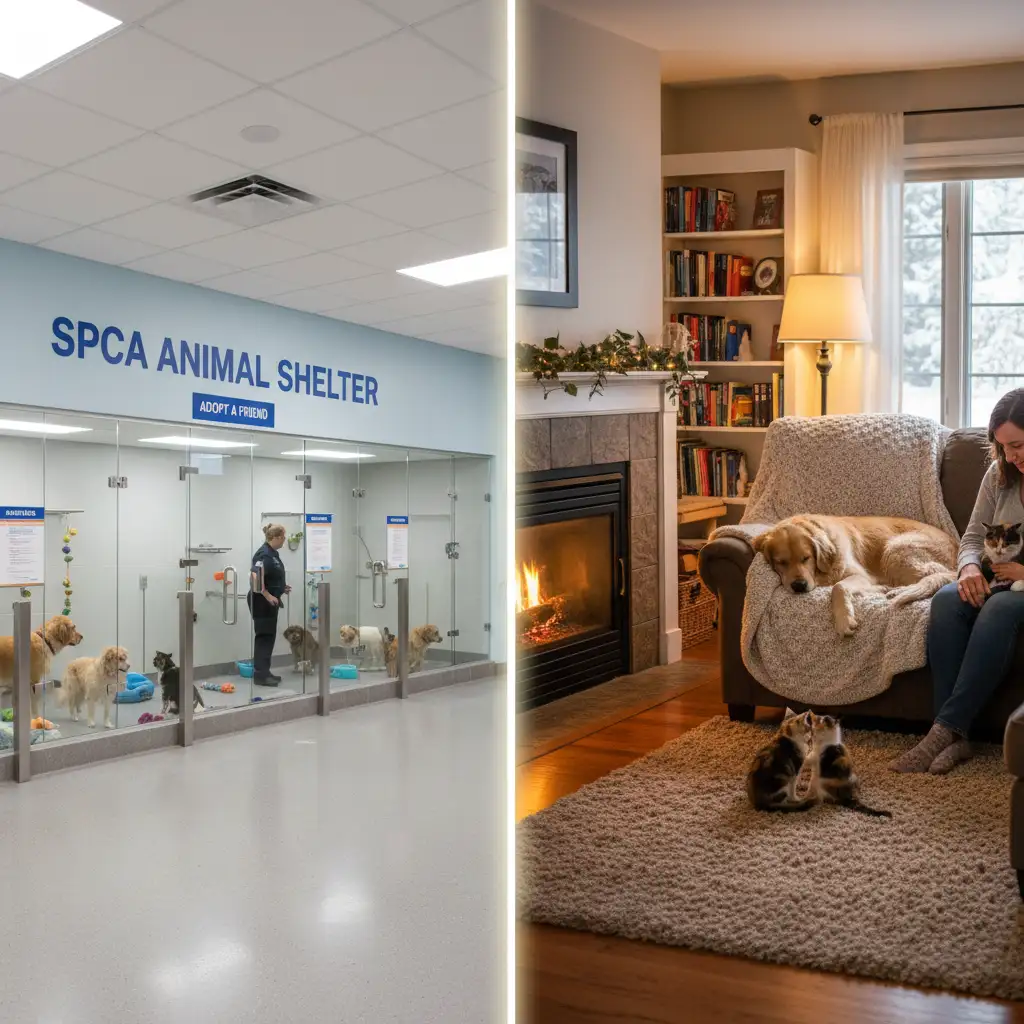
Deciding between the SPCA vs private rescue in NZ depends on your specific requirements and lifestyle. The SPCA operates as a large, nationwide enforcement entity with standardized adoption processes and a high volume of animals, whereas private rescues typically utilize foster networks to provide specialized care, detailed temperament assessments, and highly personalized matching for adopters.
The New Zealand Animal Welfare Landscape
Adopting a pet in New Zealand is a noble decision that saves lives and reduces the strain on our animal welfare system. However, prospective owners are often faced with a confusing array of choices: should you visit your local SPCA centre, or should you apply through one of the dozens of private rescue organizations scattered across the country?
Understanding the distinction is critical not just for finding the right animal, but for aligning with an organization whose values and processes match your own. New Zealand has high rates of pet ownership, yet we also face significant challenges regarding stray populations and home-to-home pet rehoming needs.
The Royal New Zealand SPCA (RNZSPCA) acts as the primary enforcer of the Animal Welfare Act 1999, handling cruelty complaints and managing large-scale shelters. In contrast, private rescues—such as Lonely Miaow, Chained Dog Rehabilitation & Rehoming, or HURRAH—are often grassroots charities run by passionate volunteers. These smaller entities fill the gaps that a large organization simply cannot cover, often specializing in neonatal kittens, specific dog breeds, or animals with complex behavioral needs.
How the SPCA Operates Nationwide
The SPCA is the oldest and most recognized animal charity in New Zealand. Because it is the only charity with legal powers to enforce animal welfare laws, its scope is massive. They take in sick, injured, abused, and abandoned animals. This “open admission” philosophy means they deal with a tremendous volume of animals annually.
Standardized Processes
Because the SPCA is a national body, they strive for consistency. Whether you are adopting in Auckland, Wellington, or Christchurch, the paperwork and criteria are generally uniform. This can be reassuring for adopters who prefer a structured, professional interaction. Their facilities are often purpose-built, allowing you to view multiple animals in a single visit.
Shelter Environment vs. Foster Care
While the SPCA does utilize foster parents—particularly for recovering animals or kittens too young for desexing—many of their adoptable animals are housed in shelter environments (kennels and catteries). While modern shelters are clean and well-managed, the kennel environment can sometimes be stressful for animals, potentially masking their true personalities. A dog might appear hyperactive in a kennel due to barrier frustration but be calm in a home, or vice versa.
The Role of Private Rescues in NZ
Private rescues in New Zealand operate differently. They generally do not have the legal authority to seize animals; instead, they take in strays, owner surrenders, or animals transferred from council pounds that are at risk of euthanasia.
The Power of the Foster Model
The defining feature of most private rescues is the foster care model. Animals are placed directly into private homes while they await adoption. This offers a significant advantage for the adopter: the foster parent knows the animal intimately.
A foster carer can tell you if a cat scratches the sofa, if a dog is terrified of the vacuum cleaner, or if they are perfectly house-trained. This level of insight is invaluable, especially for first-time owners or those with specific requirements (e.g., needing a cat that is safe around guinea pigs).
Niche Specialization
Private rescues often specialize. For example:
- Lonely Miaow focuses on stray and abandoned cats and kittens in Auckland.
- Greyhounds as Pets specializes in ex-racing dogs.
- Chained Dog Rehabilitation & Rehoming focuses on life-chained dogs that require significant behavioral rehabilitation.
This specialization allows them to build deep expertise in specific breeds or behavioral issues, ensuring that difficult cases get the time and resources they need.
Comparing Adoption Fees and Inclusions
When conducting a commercial investigation into adoption, cost is a factor. However, it is essential to view adoption fees not as a purchase price, but as a contribution toward the immense veterinary costs incurred by the charity.
SPCA Pricing Structure
The SPCA often benefits from corporate sponsorships and bulk veterinary deals, which can sometimes keep their adoption fees lower. Standard inclusions usually cover:
- Desexing (Spay/Neuter)
- Microchipping and registration on the NZ Companion Animal Register
- First round of vaccinations
- Flea and worm treatment
- Sometimes a starter pack of food
Because they have a high volume of animals, they occasionally run “clear the shelter” campaigns with reduced fees to encourage adoption during overcrowding crises.
Private Rescue Pricing Structure
Private rescues typically have higher adoption fees than the SPCA. This is because they do not receive government funding (the SPCA receives limited government funding for inspectorate work, though largely relies on donations for other operations) and often pay full price or only slightly discounted rates at private veterinary clinics.
A private rescue dog adoption fee might range from $300 to $600 NZD, whereas SPCA fees might be slightly lower depending on the animal’s age. However, the private rescue fee often includes extensive behavioral work and extended foster care costs that aren’t itemized.
The Vetting Process: Renters and Landlords
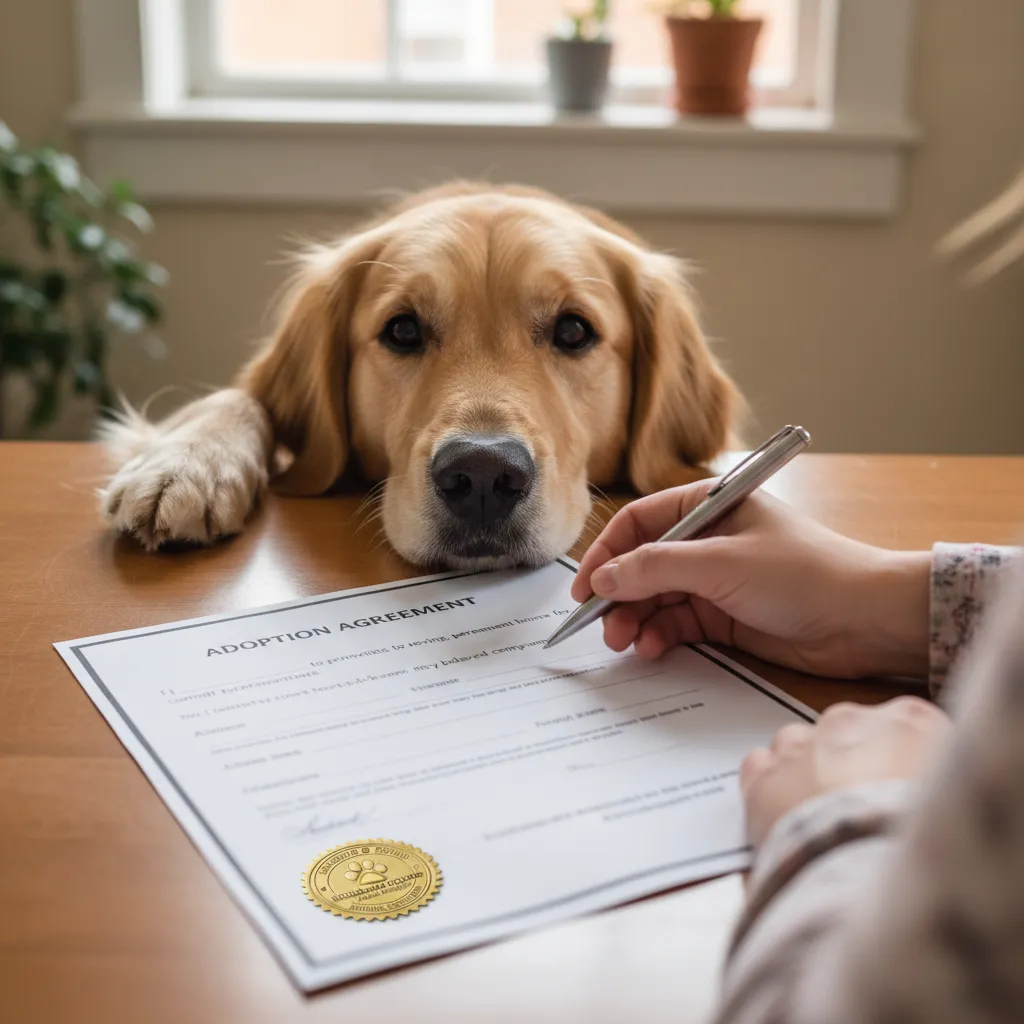
For New Zealand tenants, the vetting process is often the most anxiety-inducing part of adoption. With the rental market being notoriously competitive, securing a pet-friendly rental is difficult. Knowing how to draft a pet addendum can be a crucial step in this process. How do these organizations handle this?
The SPCA Approach
The SPCA requires proof of landlord permission. This is usually a standard form or a verbal confirmation. They are rigorous but generally rely on the “rules being met.” If you have the permission and the property is adequately fenced (for dogs), you will likely be approved. Their process is efficient, aiming to move animals into homes quickly to free up space for incoming cruelty cases.
The Private Rescue Approach
Private rescues are often perceived as “stricter.” They may require property inspections (checking fence heights specifically) and might ask more probing questions about your lifestyle. Some adopters find this intrusive, but it stems from a desire to ensure the animal never bounces back into the system.
However, private rescues can also be more flexible advocates. Because they know the animal’s specific behavior (e.g., “This dog never barks and sleeps 18 hours a day”), they can sometimes write supporting letters to landlords or Body Corporates to help a tenant secure approval. They are investing in a long-term match and may work with you to find a dog that fits a rental lifestyle, rather than just checking a box.
For more information on your rights and responsibilities as a pet owner in New Zealand, you can refer to the Ministry for Primary Industries (MPI) Animal Welfare guidelines.
Post-Adoption Support and Behavioral Help
The journey doesn’t end when you take the animal home. The “decompression period” (often called the 3-3-3 rule) is critical.
SPCA Support
The SPCA provides adoption booklets and general advice. If an adoption fails (the animal is returned), they will take the animal back. However, due to resource constraints, they may not always be able to send a behaviorist to your home to work through separation anxiety or reactivity issues post-adoption.
Private Rescue Support
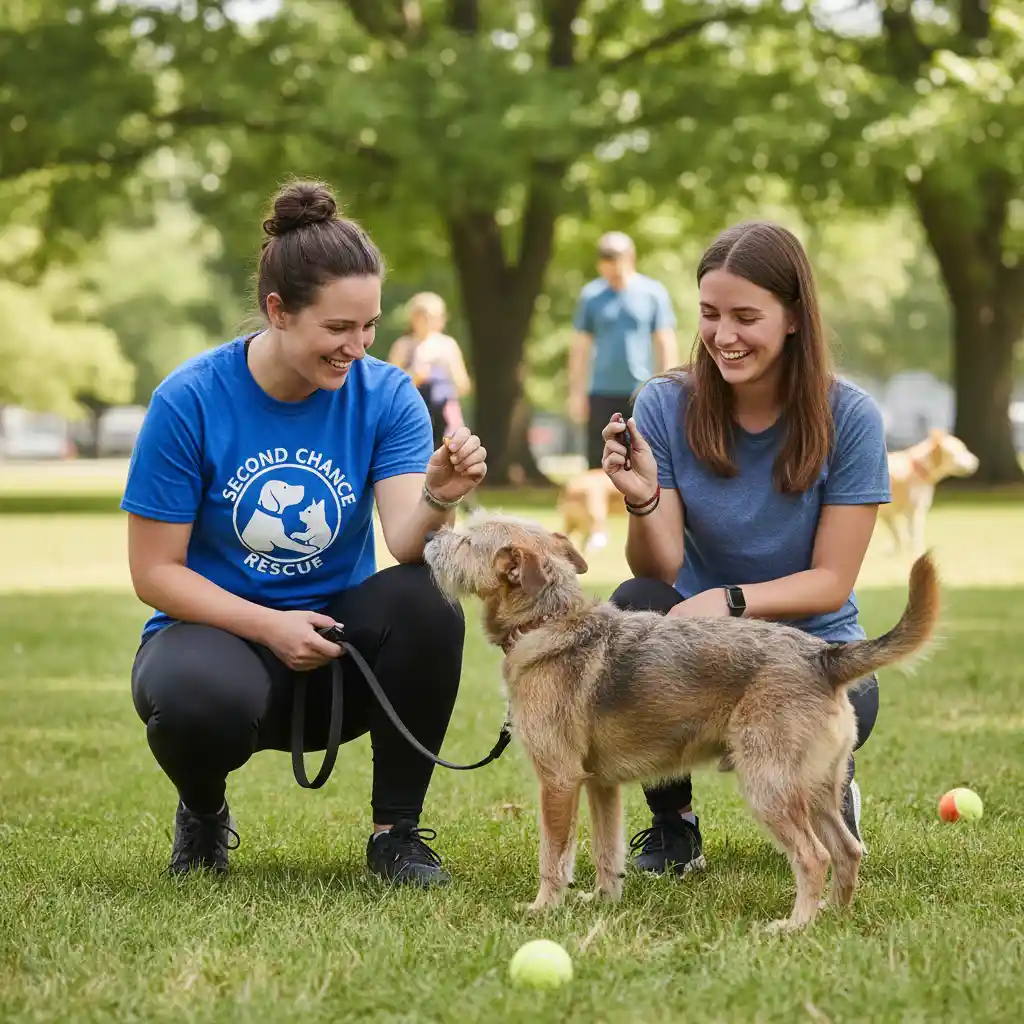
This is where private rescues often shine. Many offer lifetime backup. If you adopt a dog from a rescue like Chained Dog or HURRAH, you effectively join a community. They often have private Facebook groups for adopters to share advice.
If behavioral issues arise, private rescues are highly motivated to help you fix them to prevent a return. They may have partnerships with professional dog trainers who offer discounted sessions for their alumni. This ongoing safety net is a massive value-add that justifies the potentially higher adoption fees.
Summary: Making the Right Choice
Ultimately, both the SPCA and private rescues are working toward the same goal: a New Zealand where every animal has a safe, loving home. Your choice depends on your priorities.
Choose the SPCA if:
- You want to visit a facility and see multiple animals at once.
- You prefer a standardized, efficient administrative process.
- You are looking for a standard family pet and are confident in your ability to manage common transition behaviors.
Choose a Private Rescue if:
- You need a detailed behavioral assessment (e.g., “must be cat-friendly”).
- You want to know exactly how the animal behaves in a home environment.
- You appreciate post-adoption community support and access to behavioral advice.
- You are looking for a specific breed or type of animal (e.g., ex-racing greyhound).
Regardless of where you adopt, ensure you are prepared for the commitment. For specific guidance, especially for dog adoptions, consider how to prepare your home for dog rehoming in NZ. For further reading on responsible pet ownership standards, the Companion Animals New Zealand website offers excellent resources.
Frequently Asked Questions
Is it cheaper to adopt from the SPCA or a private rescue in NZ?
Generally, the SPCA has slightly lower adoption fees compared to private rescues. The SPCA benefits from corporate sponsorship and scale, allowing them to subsidize costs. Private rescues rely heavily on donations and often pay higher rates for veterinary care, resulting in fees that usually range between $300 and $600 for dogs.
Can I adopt a puppy from a private rescue?
Yes, private rescues frequently have puppies available. Unlike shelters where puppies might be kept in kennels, private rescue puppies are usually raised in foster homes, which provides better early socialization and habituation to household noises and routines.
Do private rescues in NZ require a fenced property?
Most private rescues in NZ are strict about fencing for dog adoptions to ensure the animal’s safety. They often require a physical property inspection to check fence height and security. However, they may be flexible for older dogs or apartment-suitable breeds if the owner demonstrates a solid exercise plan.
What is the difference between SPCA and the pound?
The SPCA is a charity focused on animal welfare and cruelty prevention. The “pound” is run by the local Council (Animal Control) and primarily deals with dog registration, noise control, and roaming dogs. While pounds do rehome dogs, unclaimed dogs at pounds are often transferred to the SPCA or private rescues to save them from euthanasia.
How long does the adoption process take?
The SPCA process can be quite fast, sometimes completed within a few days if all paperwork and landlord checks are in order. Private rescues may take longer—often 1 to 2 weeks—as they coordinate meet-and-greets with foster parents, conduct property checks, and review applications more holistically.
Can I return a pet if it doesn’t work out?
Yes, both the SPCA and reputable private rescues contractually require you to return the animal to them if you can no longer care for it. Private rescues, in particular, emphasize this “lifetime backup” to ensure their animals never end up in a pound or unsafe situation.
