Staffy Rescue & Advocacy
Staffy rescue NZ refers to the dedicated network of animal shelters, charitable trusts, and advocacy groups across New Zealand focused on the rehabilitation and rehoming of Staffordshire Bull Terriers and their crossbreeds. These initiatives aim to combat overpopulation caused by indiscriminate breeding and housing restrictions, ensuring these loyal, affectionate dogs find safe, permanent homes.
New Zealand is a nation of dog lovers, yet one breed type consistently floods the kennels of the SPCA, council pounds, and private rescue organizations: the Staffordshire Bull Terrier, affectionately known as the “Staffy.” The journey of a rescue Staffy in Aotearoa is one of resilience, overcoming stigma, and the search for unconditional love. This guide serves as a comprehensive resource for prospective adopters, tenant advocates, and anyone looking to understand the reality of Staffy rescue in New Zealand.
The State of Staffy Rescue in New Zealand
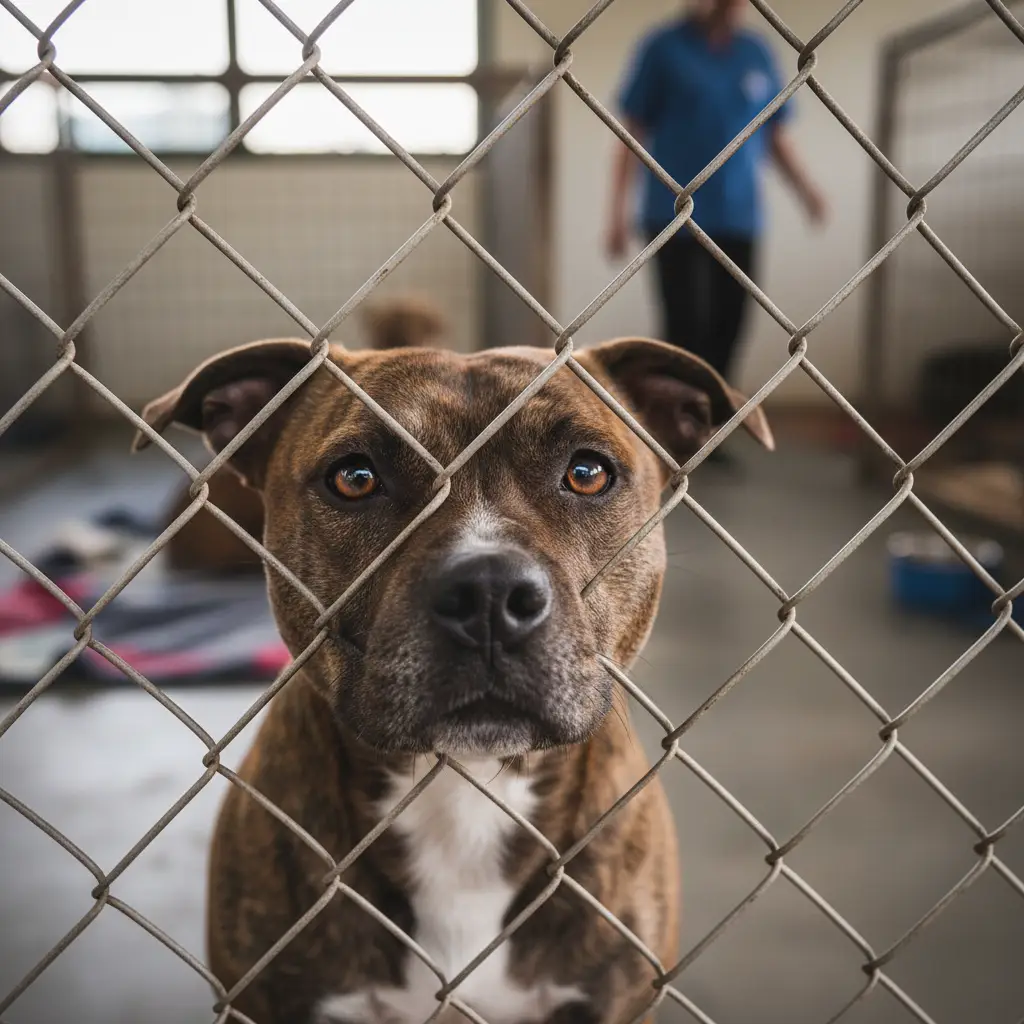
If you walk into almost any municipal pound from Auckland to Invercargill, the majority of the faces looking back at you will be blocky-headed, muscular dogs labeled as Staffy crosses. Understanding why this specific breed dominates the rescue sector is the first step toward solving the problem.
The prevalence of Staffies in NZ shelters is driven by a convergence of socioeconomic factors and misconceptions. Firstly, the breed suffers from immense popularity due to their loyalty and robust appearance. Unfortunately, this demand fuels backyard breeding—unregistered breeding operations that prioritize profit over health or temperament. When these litters prove difficult to sell, or when the dogs reach adolescence and display high energy levels that unprepared owners cannot manage, they are frequently surrendered or abandoned.
Secondly, New Zealand’s housing crisis plays a pivotal role. As rental stocks tighten, landlords often enforce strict “no pets” policies or blanket bans on specific breeds. Staffies, often unfairly categorized alongside prohibited breeds due to visual similarities, are the first to be excluded. This forces heartbroken families to surrender beloved pets simply to secure a roof over their heads.
Defining the ‘Kiwi Staffy’: Breed vs. Label
It is crucial to distinguish between the pedigree Staffordshire Bull Terrier and the “Staffy” label often applied in rescue contexts. The English Staffordshire Bull Terrier is a recognized breed by Dogs New Zealand (formerly the New Zealand Kennel Club), known for its compact size and specific breed standards.
However, in the context of staffy rescue NZ, the term is often used as a catch-all descriptor for mixed-breed dogs that share physical characteristics with the Bull Terrier lineage. These dogs may be crosses involving American Staffordshire Terriers, Boxers, Mastiffs, or Bulldogs. This “labeling” can be a double-edged sword. While it identifies a dog as likely being affectionate and people-oriented, it also carries the baggage of breed stigma.
Rescue organizations work tirelessly to assess each dog as an individual rather than a breed stereotype. They focus on behavior testing to determine if the dog is suitable for families, cats, or other dogs, moving away from visual identification which is notoriously inaccurate.
Temperament: Separating Myth from Reality
The reputation of the Staffy is a study in contrasts. To their enthusiasts, they are “nanny dogs,” famous for their patience with children and immense capacity for love. To their detractors, they are viewed as aggressive or dangerous. The truth, supported by behavioral science, leans heavily toward the former, provided the dog has been raised and socialized correctly.
The “Velcro Dog” Phenomenon
Staffies are renowned for their people-centric nature. They often suffer from FOMO (Fear Of Missing Out) and want to be involved in every family activity. This trait makes them exceptional companions but also means they are prone to separation anxiety. They are not dogs that can be left in a backyard for 10 hours a day without interaction; they thrive on human connection.
Energy and Intelligence
A rescue Staffy is typically a high-energy athlete. They require robust daily exercise—not just a stroll around the block, but active play, running, or mental stimulation. Their intelligence is often underrated; they are eager to please but can be stubborn. Positive reinforcement training is the gold standard for this breed, as they are sensitive souls who do not respond well to harsh correction.
The Rental Crisis: Advocacy for Tenants with Staffies
One of the most significant barriers to Staffy adoption in New Zealand is the rental market. Tenant advocacy is a critical component of the rescue ecosystem. If you are a renter looking to adopt, or a current owner seeking housing, you must be proactive.
Under current New Zealand tenancy laws, landlords can restrict pets, though changes to the Residential Tenancies Act have been debated to make pet ownership easier. Until legislation forces a shift, tenants must market their dogs effectively. This involves creating a “Pet CV” or Resume.
A strong Pet CV for a Staffy should include:
- References: Letters from previous landlords or property managers attesting to the dog’s good behavior and lack of damage to the property.
- Training Certificates: Proof of graduation from obedience classes or Canine Good Citizen awards.
- Veterinary Records: Proof of desexing, microchipping, and up-to-date vaccinations.
- A Bio: A description of the dog’s daily routine, exercise regimen, and temperament.
Advocacy groups also recommend offering a “Pet Bond” (though legally complex, offering to pay for professional carpet cleaning upon exit can help) and introducing the dog to the landlord personally. Meeting a well-behaved, tail-wagging Staffy often dispels the fears created by media sensationalism.
The Adoption Process: A Step-by-Step Guide
Adopting a Staffy in New Zealand is a rigorous process designed to ensure the safety of the dog and the longevity of the placement. Rescue groups are not trying to be difficult; they are trying to prevent the dog from returning to the shelter system.
1. The Application
Most rescues, such as the SPCA or specialized bully-breed rescues, require a detailed application form. You will be asked about your work hours, family composition, fence height, and experience with dogs.
2. Property Inspection
This is a non-negotiable step for Staffy adoption. Staffies are athletic and can be escape artists if bored. Rescues typically require fully fenced properties with fences at least 1.8 meters high for larger crosses, though some smaller Staffies may be fine with lower fencing. Gates must be secure and lockable.
3. The Meet and Greet
If your application and property check are approved, you will be invited to meet the dog. This is often done with the whole family present. If you have an existing dog, a parallel walk followed by a controlled introduction is standard procedure to assess compatibility.

Preparing Your Home for a Rescue Staffy
Bringing a rescue dog home requires preparation. Staffies, in particular, are known for being strong chewers. “Staffy-proof” toys are a must—standard plush toys will be destroyed in seconds. Look for heavy-duty rubber toys (like Kongs) or deer antlers.
Essential Checklist:
- Secure Fencing: Check for gaps or loose planks.
- Crate Training: Many rescues advocate for crate training to give the dog a safe space and assist with separation anxiety.
- Quality Food: Staffies can be prone to skin allergies (atopic dermatitis). A high-quality grain-free or sensitive skin diet is often recommended.
- Harness and Lead: Because of their strength, a front-clip harness is often better than a collar for walking, as it discourages pulling without causing neck strain.
Post-Adoption Training and Integration
The first three months are critical. This is often referred to as the “3-3-3 Rule”: 3 days to decompress, 3 weeks to learn the routine, and 3 months to feel at home. During the first few weeks, keep the environment calm and the routine consistent.
Socialization should be reintroduced slowly. Do not rush your new rescue to a busy dog park immediately. Build trust with you first. Professional training is highly encouraged, not just for obedience, but for bonding. For more information on responsible dog ownership and training resources, you can consult the Department of Conservation’s guidelines on dog access or the Wikipedia entry on Staffordshire Bull Terriers for breed-specific history.
Conclusion: Being Part of the Solution
Adopting a Staffy in New Zealand is more than just getting a pet; it is an act of advocacy. By adopting, you are saving a life and opening up a kennel space for another dog in need. You also become an ambassador for the breed. Every well-behaved, loved Staffy that walks down a Kiwi street helps to dismantle the unfair stigma surrounding these incredible dogs. Read Heartfelt Pet Owner Testimonials from NZ Families.
Whether you are looking for a hiking buddy, a couch potato, or a family playmate, there is likely a Staffy in a rescue center right now waiting for a second chance. They may come with a bit of baggage, but they pay for their space on the sofa with an infinite amount of loyalty and love.
People Also Ask
Are Staffies good family dogs?
Yes, Staffordshire Bull Terriers are widely considered excellent family dogs when raised correctly. They are nicknamed ‘nanny dogs’ due to their patience and affection toward children. However, like all dogs, interactions with young children should always be supervised.
How much does it cost to adopt a Staffy in NZ?
Adoption fees for Staffies in NZ typically range from $250 to $400 depending on the rescue organization. This fee generally covers desexing, microchipping, registration, vaccinations, and flea/worm treatments, offering significant savings compared to paying for these procedures individually.
Are Staffies banned in New Zealand?
No, Staffordshire Bull Terriers are not banned in New Zealand. They are distinct from the American Pit Bull Terrier, which is classified as a ‘menacing’ breed under the Dog Control Act 1996 and faces import restrictions. Staffies are legal to own and breed.
Can I rent with a Staffy in NZ?
Yes, you can rent with a Staffy, but it can be challenging due to landlord restrictions. There is no law preventing it, but landlords have the right to refuse pets. Creating a ‘Pet CV’ and providing references can increase your chances of securing a pet-friendly rental.
Do Staffies get along with other dogs?
Many Staffies get along well with other dogs, especially if socialized early. However, some rescue Staffies may be reactive due to past trauma or lack of socialization. Rescue centers usually perform compatibility tests to determine if a specific dog can live with other pets.
How much exercise does a Staffy need?
Staffies are high-energy dogs that require at least 45 to 60 minutes of vigorous exercise daily. This should include walking, running, or playing fetch. Mental stimulation, such as puzzle toys and training, is also essential to prevent boredom and destructive behavior.
