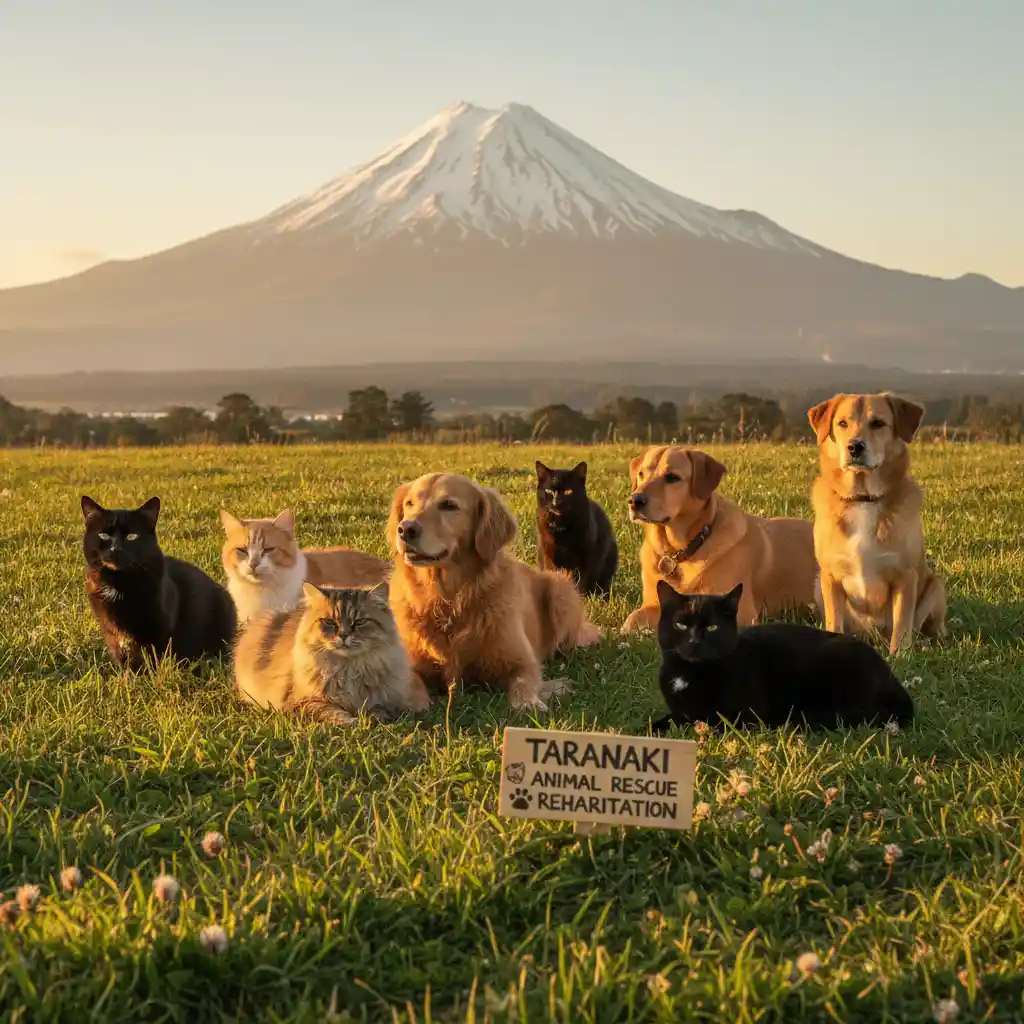
Taranaki Animal Protection
Animal rescue in New Plymouth is primarily managed by the North Taranaki SPCA, the Taranaki Animal Protection Trust (TAPT), and the New Plymouth District Council Animal Control. These organizations collaborate to provide shelter, medical rehabilitation, and rehoming services for stray, abandoned, and surrendered pets, ensuring compliance with the Animal Welfare Act 1999 throughout the Taranaki region.
The Landscape of Animal Rescue in New Plymouth
The Taranaki region, known for its lush landscapes and tight-knit communities, is also home to a robust network of animal welfare advocates. For residents looking to adopt a pet, surrender an animal, or report concerns about welfare, navigating the local options can sometimes be confusing. The ecosystem of animal rescue in New Plymouth is distinct because it relies heavily on a cooperative model between statutory bodies and charitable trusts.
Unlike larger metropolitan areas where dozens of private rescues might operate, New Plymouth relies on a few high-capacity organizations. This centralization allows for better resource management but also means that these organizations are frequently operating at maximum capacity. Whether you are dealing with a stray cat in Bell Block or looking to adopt a rescue dog in Fitzroy, understanding the specific roles of these entities is crucial.
The primary goal for all these organizations is the reduction of unwanted animals through desexing, the rehabilitation of abused or neglected pets, and the successful placement of animals into forever homes. This guide serves as a comprehensive resource for navigating these services.
North Taranaki SPCA: The First Line of Defense
The Society for the Prevention of Cruelty to Animals (SPCA) is perhaps the most recognized name in animal welfare across New Zealand. The North Taranaki Centre, located in New Plymouth, serves as the primary hub for animal welfare investigations and adoptions in the district.
The Role of Inspectors
One of the distinct functions of the SPCA, which separates it from other rescue groups, is its legal authority. SPCA Inspectors are appointed under the Animal Welfare Act 1999 and have the power to investigate complaints of cruelty and neglect. If you witness an animal in distress or living in poor conditions in New Plymouth, the SPCA is the agency to contact. They work tirelessly to educate owners first, but they have the authority to prosecute and seize animals when necessary.
Adoption Services and Process
The North Taranaki SPCA facility houses cats, dogs, and occasionally livestock and small animals. Their adoption process is rigorous to ensure that animals are not returned to the shelter system.
- Application: Potential adopters must fill out a detailed questionnaire regarding their lifestyle, fencing, and other pets.
- Meet and Greet: This is essential, especially for dogs, to ensure compatibility with all family members.
- Property Inspection: For dog adoptions, an inspection of the property is often required to ensure fencing is adequate and secure.
The adoption fees generally cover desexing, microchipping, vaccinations, and flea/worm treatments. This makes adopting from the SPCA significantly more cost-effective than acquiring a “free” pet that requires immediate veterinary attention.
Taranaki Animal Protection Trust: A Foster-Based Approach
While the SPCA operates a physical centre, the Taranaki Animal Protection Trust (TAPT) operates on a different, yet equally vital, model. TAPT is a registered charitable trust that relies heavily on a network of foster homes rather than a central kennel facility. This model is particularly beneficial for animals that struggle in a shelter environment due to stress or anxiety.
The Benefits of Foster Care
Animals in the care of TAPT live in private homes until they are adopted. This “real-world” environment provides several advantages:
- Socialization: Animals are often socialized with children, other cats, and dogs, giving adopters a clearer picture of the animal’s temperament.
- Behavioral Assessment: Foster parents can identify behavioral quirks—such as separation anxiety or resource guarding—that might be missed in a kennel.
- Reduced Stress: High-stress environments like pounds can compromise an animal’s immune system; foster homes provide a calm setting for recovery.
Adopting from TAPT
Because the animals are in private homes, viewings are usually by appointment. TAPT is known for its thorough vetting process, ensuring that the match is right for both the human and the animal. They frequently showcase their available pets on social media and local listing sites. Their focus is often on cats and kittens, though they do handle dogs and other animals as resources allow.
New Plymouth District Council Pound Services
It is important to distinguish between “animal rescue” and “animal control,” though the lines often blur. The New Plymouth District Council (NPDC) operates the municipal pound, located on Rifle Range Road. Their primary mandate is public safety and the enforcement of the Dog Control Act 1996.
Lost and Found Dogs
If you find a wandering dog in New Plymouth, it will likely end up at the NPDC pound. The council holds dogs for a statutory period (usually 7 days) to allow owners to claim them. If a dog is unregistered or the owner cannot be contacted, the animal becomes the property of the council.
Rehoming from the Pound
Contrary to older beliefs that pounds are “kill shelters,” the New Plymouth District Council actively works to rehome suitable dogs. They often collaborate with the SPCA and TAPT to transfer unclaimed dogs into rescue programs. However, the public can also adopt directly from the pound in certain instances. These dogs are temperament tested before being offered for adoption.
For more details on local regulations and dog registration, you can visit the New Plymouth District Council official website.

Community Cat Desexing Initiatives
One of the most pressing issues in Taranaki animal protection is the overpopulation of stray and colony cats. Several initiatives in the region focus specifically on Trap-Neuter-Return (TNR) and low-cost desexing programs to curb this population growth.
The Importance of Desexing
An unspayed female cat can produce multiple litters a year, leading to an exponential increase in the stray population. These colonies often suffer from disease, malnutrition, and fighting. Desexing is the only humane and effective method of population control.
Snip ‘n’ Chip Campaigns
Periodically, national organizations like the SPCA, in conjunction with local vets, run “Snip ‘n’ Chip” campaigns where desexing and microchipping are offered at a fraction of the standard cost. These campaigns are vital for low-income residents who want to be responsible pet owners but struggle with veterinary costs. Keeping an eye on the Facebook pages of local rescues is the best way to stay informed about when these vouchers become available.
Renting with Pets: A Guide for Taranaki Tenants
Finding a rental property in New Plymouth is challenging enough; finding one that allows pets can feel impossible. This is a significant market niche issue, as
