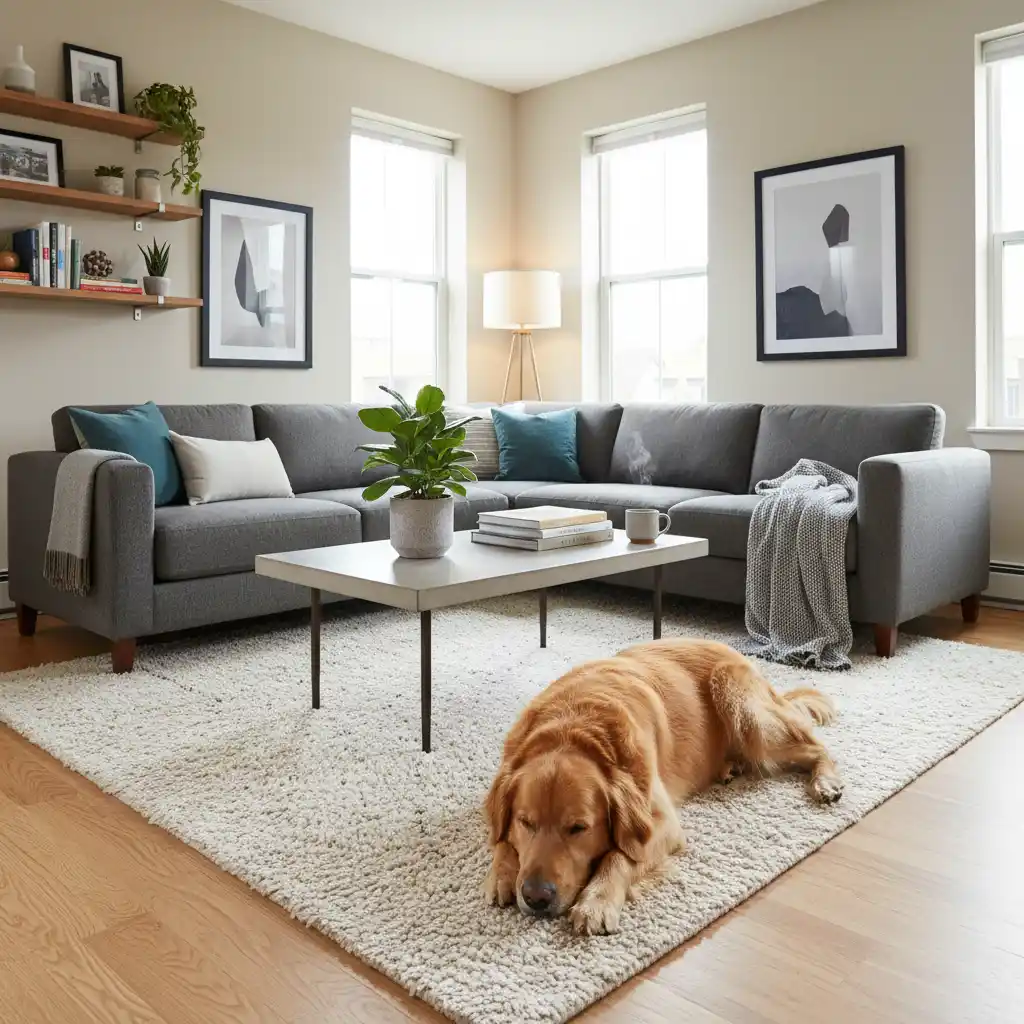
Tenancy Tribunal Rulings on Pets
Tenancy Tribunal pets decisions refer to the binding legal rulings issued by adjudicators when resolving disputes between landlords and tenants regarding pet ownership. These decisions primarily focus on whether a landlord has withheld consent unreasonably. Under modern residential tenancy laws, the onus has shifted, requiring landlords to prove that a specific pet poses a genuine risk or nuisance, rather than relying on arbitrary “no pets” clauses.
Understanding the Legal Shift: The End of Blanket Bans
The landscape of rental law has undergone a seismic shift in recent years, moving away from the traditional view of landlord absolutism toward a model that recognizes rental properties as long-term homes. Historically, landlords could include blanket “no pets” clauses in tenancy agreements with little challenge. However, legislative updates—most notably the amendments to the Residential Tenancies Act in jurisdictions like New Zealand and evolving case law in regions like Australia and the UK—have rendered many of these clauses unenforceable.
The core principle driving current Tenancy Tribunal rulings is that a tenant has the right to the “quiet enjoyment” of their home, which increasingly includes the companionship of animals. The law now generally presumes that a tenant should be allowed to keep a pet unless there is a compelling, specific reason not to. This means the default position has flipped: instead of a tenant begging for permission, the landlord must now justify a refusal.
It is crucial for both parties to understand that the Tenancy Tribunal does not view a property merely as an asset to be protected in glass-case condition, but as a living space subject to normal wear and tear. Adjudicators balance the landlord’s interest in preserving the property value against the tenant’s right to use the premises as a home. Understanding this philosophical baseline is the first step in interpreting tribunal outcomes.
Analysis of Recent Tenancy Tribunal Decisions
Analyzing recent Tenancy Tribunal rulings reveals clear patterns in how adjudicators interpret the law. The Tribunal is consistent in rejecting hypothetical fears. A landlord cannot refuse a pet based on what might happen; they must provide evidence relevant to the specific animal and the specific property.
The Rejection of Generalizations
In several recent cases, landlords have attempted to refuse dogs based on the general size or breed, arguing that “big dogs cause damage.” The Tribunal has frequently ruled against landlords in these instances. Adjudicators look for specific evidence of the animal’s temperament. A large, elderly dog that sleeps all day is often viewed as less of a risk than a small, high-energy puppy.
The “Wear and Tear” Argument
A recurring theme in Tribunal decisions is the distinction between damage and fair wear and tear. Rulings have established that minor scratches on floorboards or worn patches on lawns often fall under fair wear and tear, especially in long-term tenancies. For a landlord to succeed in a claim for damages or to justify a refusal based on potential damage, the risk must exceed what is considered normal living conditions. For authoritative guidance on tenancy laws and recent updates, Tenancy Services provides comprehensive resources for both landlords and tenants.
Strata and Body Corporate Rules
Tribunal decisions become more complex when a property is part of a Body Corporate or Strata title. If the building rules explicitly ban pets, the Tribunal will generally uphold the landlord’s refusal, as the landlord cannot grant permission that violates the overarching building rules. However, tenants have successfully challenged these rules in higher courts, arguing that blanket bans by Body Corporates are themselves oppressive.
Defining ‘Reasonable Grounds’ for Refusal
The term “reasonable grounds” is the pivot point for almost all pet-related disputes. While the legislation does not always provide an exhaustive list, Tribunal case law has crystalized several valid reasons for refusal.
Property Unsuitability
This is the most common valid ground for refusal. If a property is not fully fenced, a landlord can reasonably refuse a dog that requires containment. Similarly, a small studio apartment with no outdoor access may be deemed unsuitable for a large, active dog breed. The Tribunal looks at the physics of the space versus the biological needs of the animal.
Health and Safety
Proven allergies are a valid ground for refusal, particularly in situations where the landlord lives on the same premises (e.g., a granny flat arrangement) or if the ventilation system is shared. However, a landlord cannot simply claim “future tenants might be allergic” as a reason to deny a current request. The health concern must be immediate and demonstrable.
Local Council Regulations
If local council bylaws limit the number of dogs allowed on a property, or if a specific breed is restricted or banned in the area, a landlord is legally obligated to refuse consent. The Tribunal will always uphold refusals based on compliance with local laws.
Case Studies: Winning and Losing Pet Disputes
Examining specific scenarios helps to illustrate how the Tribunal applies the law in practice.
Case Study A: The Invalid “No Pets” Clause
The Scenario: A tenant signed a lease containing a standard clause stating “No pets allowed under any circumstances.” Six months later, the tenant requested to adopt a cat. The landlord pointed to the clause and refused without further explanation.
The Ruling: The Tribunal ruled in favor of the tenant. The adjudicator stated that the blanket clause was unenforceable under updated regulations requiring case-by-case consideration. Because the landlord failed to provide a specific reason why this cat was unsuitable for this house, the refusal was deemed unreasonable. The tenant was awarded exemplary damages for the landlord’s failure to comply with statutory obligations.
Case Study B: The Noise Nuisance
The Scenario: A tenant sought permission to keep a second dog. The landlord refused, citing complaints from neighbors about the existing dog barking incessantly.
The Ruling: The Tribunal upheld the landlord’s refusal. The evidence of noise complaints substantiated the claim that the property (and the tenant’s management of the animals) was not suitable for an additional pet. The refusal was grounded in the protection of the neighbors’ quiet enjoyment.
Case Study C: The Carpeting Dispute
The Scenario: A landlord agreed to a dog but conditional on the tenant professionally cleaning the carpets every three months.
The Ruling: The Tribunal found this condition to be unreasonable. While a landlord can require carpets to be returned in a reasonably clean state at the end of the tenancy, mandating professional cleaning during the tenancy was seen as an interference with the tenant’s privacy and an excessive cost. The condition was struck out.

Preparing for Your Tribunal Hearing
If you find yourself heading to the Tenancy Tribunal, preparation is the key to success. Adjudicators rely on evidence, not emotion. Whether you are a landlord defending a refusal or a tenant challenging one, your documentation must be impeccable.
Documenting Communication
Maintain a complete log of all emails and text messages regarding the pet request. If the landlord refused verbally, send a follow-up email confirming the conversation: “As discussed today, you have refused my request for a dog because [Reason].” This creates a paper trail that is vital during a hearing.
Evidence of Suitability
Tenants should provide evidence that the property is suitable. This might include photos of fencing, specifications of the animal’s size, and a management plan for waste and exercise. Landlords should provide evidence of unsuitability, such as quotes for fencing repairs that would be required or strata bylaws prohibiting animals.
Witness Statements
If the dispute involves behavior (e.g., a landlord claiming a dog is aggressive), witness statements from neighbors or previous landlords can be decisive. A letter from a former property manager stating the pet caused no damage is powerful evidence for a tenant.
The Role of Pet CVs and References
While not a legal document, a “Pet CV” has become a standard tool in demonstrating a tenant’s responsible ownership. In Tribunal hearings, a comprehensive Pet CV can serve as evidence that the tenant has taken reasonable steps to mitigate risk.
A strong Pet CV should include:
- Vaccination and Desexing Records: Proof of medical responsibility.
- Training Certificates: Evidence of behavioral management.
- References: Contact details for previous landlords or veterinarians.
- Photos: Showing the pet in a home environment.
Presenting this document demonstrates to the adjudicator that the tenant is proactive and that the landlord’s refusal might be based on prejudice rather than fact. For more information on legal rights and responsibilities, sources like Wikipedia’s overview of Landlord-Tenant Law can provide broader context on international standards.

Conclusion: Navigating the Future of Rental Living
Tenancy Tribunal rulings on pets are establishing a clear precedent: the rental market must adapt to modern lifestyles where pets are family members. For landlords, the key takeaway is that refusals must be evidence-based and specific. For tenants, the lesson is that rights come with responsibilities; proving suitability and maintaining the property are non-negotiable.
As the body of case law grows, we can expect further refinement of what constitutes “reasonable grounds.” However, the trajectory is undeniable—the era of the automatic “no” is over. By understanding the logic behind these Tribunal decisions, both parties can avoid costly disputes and foster better, more transparent rental relationships.
People Also Ask
Can a landlord unreasonably refuse a pet request?
Can a landlord unreasonably refuse a pet request?
No, under recent tenancy law amendments in many jurisdictions (such as New Zealand’s RTA), landlords cannot unreasonably refuse a request to keep a pet. They must provide a specific, valid reason for the refusal, such as the property being unsuitable or conflicting body corporate rules.
What happens if I get a pet without the landlord’s permission?
What happens if I get a pet without the landlord’s permission?
Getting a pet without permission is a breach of the tenancy agreement. The landlord can issue a 14-day notice to remedy the breach (remove the pet). If you fail to comply, they can apply to the Tenancy Tribunal to have the tenancy terminated, although the Tribunal will consider the reasonableness of the situation.
Can a landlord charge a pet bond?
Can a landlord charge a pet bond?
In New Zealand, landlords cannot charge a specific “pet bond” on top of the standard bond (which is capped at four weeks’ rent). However, in other jurisdictions like parts of Australia (e.g., Victoria), laws differ. Always check your local Residential Tenancies Act.
Does a landlord have to give a reason for refusing a pet?
Does a landlord have to give a reason for refusing a pet?
Yes, to avoid the refusal being deemed “unreasonable,” a landlord must provide a valid reason. If they simply say “no” without justification, the tenant can take the matter to the Tenancy Tribunal, which may order the landlord to permit the pet.
Can a landlord increase rent for having a pet?
Can a landlord increase rent for having a pet?
Generally, a landlord cannot increase the rent mid-tenancy solely because a pet is added, unless the tenancy agreement allows for a renegotiation upon such a request. However, landlords might advertise a property at a slightly higher rate initially to cover perceived pet risks, provided it aligns with market rent.
Are ‘No Pets’ clauses legal in tenancy agreements?
Are ‘No Pets’ clauses legal in tenancy agreements?
Blanket ‘No Pets’ clauses are increasingly being ruled as unenforceable by Tenancy Tribunals. While they may still appear in contracts, they often hold no legal weight if challenged, as the law overrides contract terms that conflict with tenant rights to reasonable consent.
