Vaccination Schedules for NZ Pets
Welcoming a new pet into your home is one of life’s most rewarding milestones, but it comes with significant responsibilities. Among the most critical aspects of responsible pet ownership in New Zealand is ensuring your furry family members are protected against preventable, often fatal, diseases. Whether you are a new puppy parent, adopting a rescue, or a tenant looking to strengthen your “Pet CV” for a rental application, understanding the veterinary requirements is non-negotiable.
Navigating the various vaccines, boosters, and timelines can be confusing. This comprehensive guide breaks down the essential dog vaccination schedule NZ vets recommend, along with protocols for cats, cost expectations, and the specific disease risks found in our unique environment.
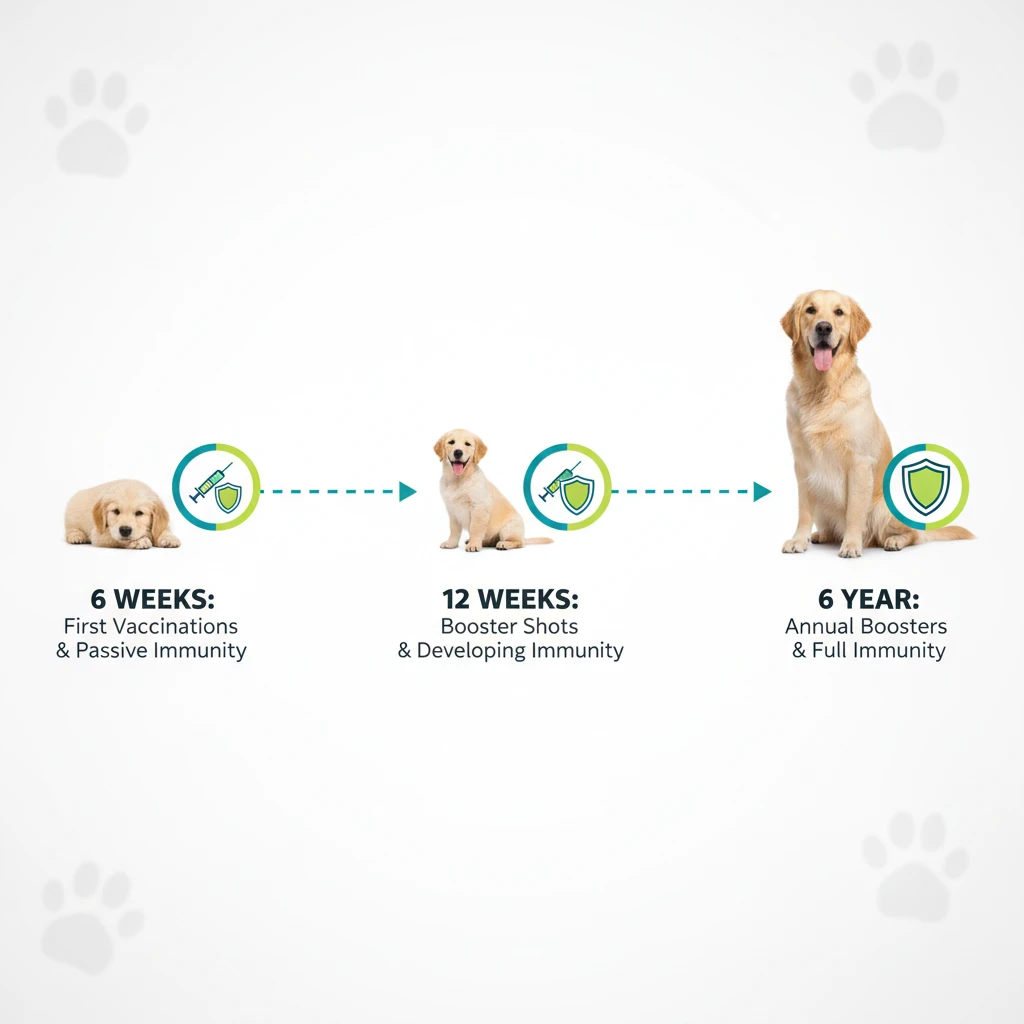
A standard dog vaccination schedule NZ veterinarians follow typically begins at 6-8 weeks of age, followed by boosters at 10-12 weeks and 14-16 weeks. To ensure full immunity, adult dogs require an annual health check with boosters for Leptospirosis and Kennel Cough every year, while core vaccines (Distemper, Hepatitis, Parvovirus) are generally administered every three years.
The Essential Dog Vaccination Schedule NZ
In New Zealand, the approach to vaccinating dogs is driven by the prevalence of specific viruses in our environment. Unlike some countries where rabies is a concern, New Zealand is rabies-free. However, we have high rates of Parvovirus and Leptospirosis, making strict adherence to a schedule vital for your dog’s survival.
The primary goal of a vaccination schedule is to bridge the gap between the fading immunity a puppy receives from their mother’s milk (maternal antibodies) and the development of their own immune system. If vaccines are given too early, maternal antibodies may neutralize them. If given too late, the puppy is left exposed to deadly viruses.
Core vs. Non-Core Vaccines: What Does Your Pet Need?
Veterinary professionals classify vaccines into two distinct categories: Core and Non-Core. Understanding the difference helps you make informed decisions about your pet’s healthcare budget and risk profile.
Core Vaccines
Core vaccines are those recommended for every dog or cat, regardless of their lifestyle or location. These protect against diseases that are widespread, highly contagious, and typically fatal. In New Zealand, the core vaccines for dogs are often grouped into a single injection known as DHP (Distemper, Hepatitis, Parvovirus).
Non-Core Vaccines
Non-core vaccines are administered based on the animal’s specific risk of exposure. Factors include geographical location (e.g., rural vs. urban), social habits (e.g., doggy daycare, boarding kennels), and local disease outbreaks. In New Zealand, Leptospirosis and Canine Cough (Kennel Cough) are technically considered non-core globally, but many NZ vets treat them as essential due to local prevalence.
Detailed Puppy Vaccination Timeline
To provide the best protection, puppies require a series of vaccinations. A single shot is rarely enough to provide lasting immunity in a young animal. Below is the standard protocol adopted by most New Zealand veterinary clinics.
- 6 to 8 Weeks Old (First Vaccination):
This is the “primary” dose. It usually contains the DHP core vaccine (Distemper, Hepatitis, Parvovirus). At this stage, your puppy is not fully protected and should not be walked in public areas or allowed to socialize with unvaccinated dogs.
- 10 to 12 Weeks Old (Second Vaccination):
This booster reinforces the immune response to DHP and introduces protection against Leptospirosis and Canine Cough (Bordetella). This visit is crucial for establishing broader immunity.
- 14 to 16 Weeks Old (Third Vaccination):
The final puppy booster ensures that maternal antibodies have not interfered with the vaccine’s efficacy. This round typically includes the final DHP booster, Leptospirosis, and Canine Cough. About 10-14 days after this final injection, your puppy is generally considered safe to explore public parks and beaches.
- Annual Boosters:
While the DHP component may only be needed every three years for adult dogs, the components for Leptospirosis and Canine Cough usually require annual top-ups to remain effective.
Kitten and Cat Vaccination Protocols
While the focus is often on the dog vaccination schedule NZ owners must follow, feline health is equally important, especially given the high population of stray cats in New Zealand which acts as a reservoir for disease.
The “F3” Vaccine
The standard core vaccine for cats in NZ is often referred to as the F3. It protects against:
- Feline Panleukopenia (Feline Enteritis): A highly contagious and often fatal viral disease.
- Feline Herpesvirus (Cat Flu): Causes severe upper respiratory infection.
- Feline Calicivirus (Cat Flu): Causes respiratory issues and painful mouth ulcers.
Kitten Timeline
- 8 Weeks: First F3 vaccination.
- 12 Weeks: Second F3 vaccination.
- 16 Weeks: Third vaccination (recommended by some vets depending on the brand used and local risk factors).
Like dogs, adult cats require regular boosters. For outdoor cats fighting over territory, an FIV (Feline Immunodeficiency Virus) vaccine may also be recommended, though this requires a specific testing protocol before administration.
Understanding the Diseases: Risks in New Zealand
To understand why the schedule is so rigid, one must understand the severity of the pathogens involved. New Zealand’s temperate climate allows certain viruses and bacteria to survive in the environment for long periods.
Canine Parvovirus (Parvo)
Parvo is the nightmare of every vet and puppy owner. It is a highly contagious virus that attacks the gastrointestinal tract. It causes severe vomiting, bloody diarrhea, and rapid dehydration. Without treatment, the mortality rate is extremely high. The virus is incredibly hardy and can survive in soil for a year or more, meaning your dog can catch it simply by sniffing a patch of grass where an infected dog walked months ago.
Canine Distemper
Distemper attacks the respiratory, gastrointestinal, and nervous systems. While less common now due to successful vaccination campaigns, outbreaks still occur in pockets of New Zealand where vaccination rates are low. It often results in permanent brain damage or death.
Kennel Cough and Leptospirosis: The NZ Context
These two conditions require special attention in the New Zealand landscape. They are often misconceptions that these are “optional” for many pets, but the local data suggests otherwise.
The Leptospirosis Risk
Leptospirosis is a bacterial infection spread through the urine of infected animals, particularly rats and livestock. New Zealand has a significant rate of Leptospirosis. It is not just a rural dog problem; urban dogs are at risk from rats in parks and backyards.
Crucially, Leptospirosis is zoonotic. This means it can be passed from your dog to you and your family, causing severe flu-like symptoms, kidney failure, and even meningitis in humans. Vaccinating your dog is a health and safety measure for your entire household.
Canine Cough (Kennel Cough)
The term “Kennel Cough” is a misnomer. It should be thought of as “Social Dog Cough.” Your dog does not need to go to a boarding kennel to catch it. They can contract it from greeting another dog on a walk or sharing a water bowl at a café. While usually not fatal, it causes a harsh, hacking cough that can persist for weeks and may develop into pneumonia in young or old dogs.

The Cost of Vaccinating Pets in NZ
Cost is a significant factor for many families. However, preventative care is always cheaper than treatment. Treating a puppy with Parvovirus can cost between $2,000 and $5,000 NZD in intensive care fees, with no guarantee of survival. In contrast, a vaccination course is a predictable expense.
Estimated Costs (NZD):
- Puppy Vaccination Consult: $80 – $120 per visit (includes health check and vaccine).
- Full Puppy Course (3 visits): $240 – $360 total.
- Annual Booster (Dog): $90 – $130.
- Cat Annual Booster: $70 – $100.
- Kennel Cough (Intranasal or Injection): Often $60-$80 if done separately, or discounted as part of a package.
Note: Prices vary significantly between clinics and regions. Rural vets may have different pricing structures compared to central Auckland or Wellington clinics.
For authoritative advice on animal welfare and health standards, the SPCA New Zealand provides excellent resources regarding what is expected for responsible ownership.
Vaccinations and Rental Advocacy: The Pet CV
In the current New Zealand housing market, finding a pet-friendly rental is challenging. This is where the concept of a “Pet CV” becomes a powerful tool for tenant advocacy. Landlords are often hesitant to allow pets due to fears of damage or flea infestations. Presenting a responsible, proactive front can change their minds.
A fully up-to-date vaccination book is proof of responsible tenancy. It demonstrates that you care for your animal’s health and, by extension, are likely to care for the property. When applying for a rental:
- Include the Vaccination Certificate: Attach a copy of your current vaccination booklet signed by a registered veterinarian.
- Draft a Reference Letter: Ask your current vet to write a brief note confirming your pet is healthy, desexed, and up to date on flea/worm treatments.
- Highlight Prevention: Explicitly mention that your pet is vaccinated against Kennel Cough and Parvo, reducing the risk of illness-related messes or noise issues.
By framing vaccination as a tenant reliability indicator, you elevate your application above others.

Frequently Asked Questions
Below are common questions regarding the dog vaccination schedule NZ owners frequently ask.
How much do dog vaccinations cost in NZ?
The cost typically ranges from $80 to $120 per consultation. A full puppy course usually requires three visits, totaling between $240 and $360. Annual boosters for adult dogs generally cost around $90 to $130, depending on the specific vaccines required (e.g., including Kennel Cough).
Do older dogs need vaccinations?
Yes, older dogs still require vaccinations. While core immunity (Distemper, Parvo, Hepatitis) may last three years, immunity against Leptospirosis and Kennel Cough is short-lived and requires annual boosters. Senior dogs also have weaker immune systems, making protection vital.
What is the 10-day rule after vaccination?
The 10-day rule refers to the waiting period after the final puppy vaccination (usually at 16 weeks). It takes approximately 10 to 14 days for the dog’s immune system to fully process the vaccine and develop sufficient antibodies. Until this period is over, the puppy should not be walked in public areas.
Is Leptospirosis common in NZ?
Yes, Leptospirosis is relatively common in New Zealand compared to other developed nations due to our climate and livestock density. It poses a significant risk in both rural and urban areas (via rats) and can be transmitted to humans.
Can I vaccinate my own dog in NZ?
No, you generally cannot vaccinate your own dog in New Zealand. Vaccines are prescription medicines (VM) that must be administered by, or under the supervision of, a registered veterinarian to ensure the cold chain has been maintained and the animal is healthy enough to receive it.
What happens if I miss a booster shot?
If you are only a few weeks late, the vet can usually just give the booster. However, if a significant amount of time has passed (e.g., more than 12-18 months overdue), your dog may need to restart the primary course of two vaccinations to re-establish immunity.
Maintaining a proper dog vaccination schedule NZ wide is a community effort. High vaccination rates create herd immunity, protecting those animals that cannot be vaccinated due to health issues. For more detailed technical guidelines, you can refer to the WSAVA Vaccination Guidelines, which inform many of the protocols used by New Zealand veterinarians.
