Working Dog Retirement & Rehoming
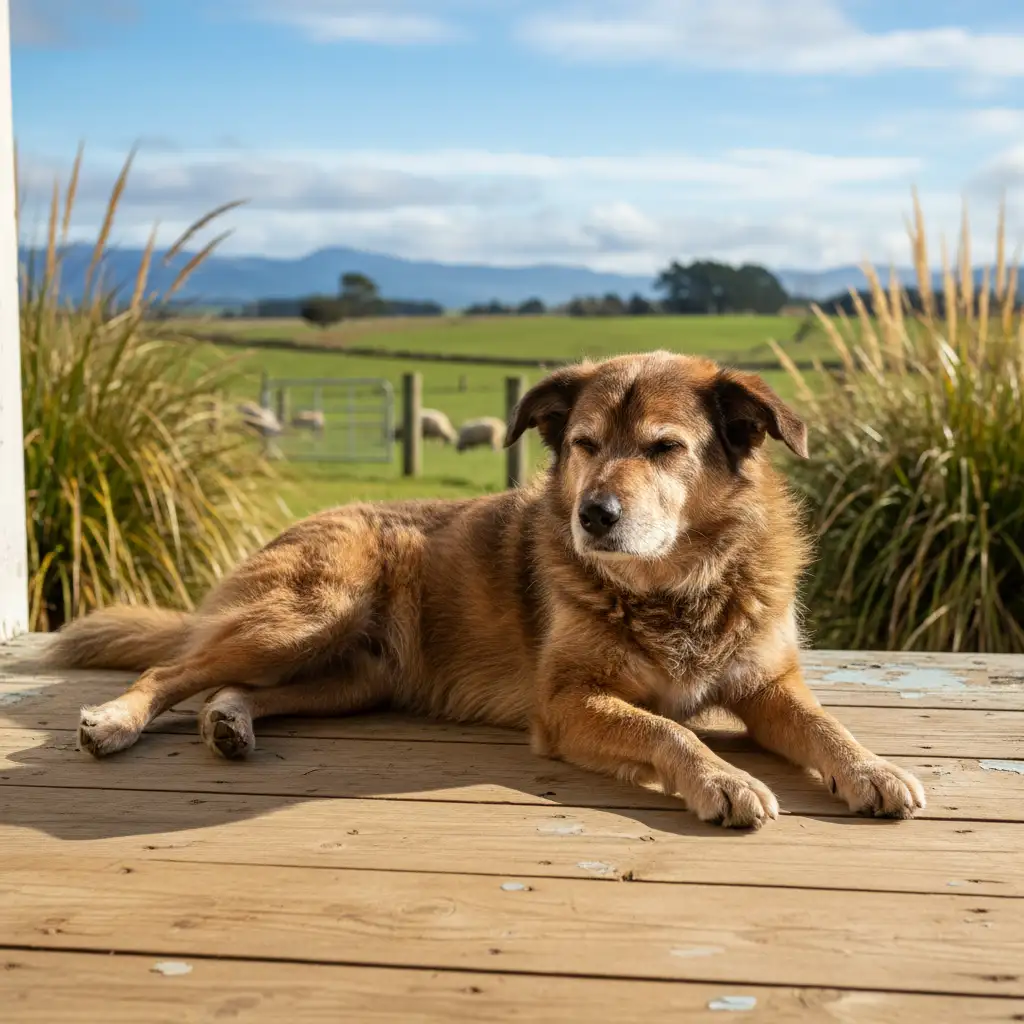
Finding retired working dogs for sale NZ involves connecting with specialized rehoming charities, such as Retired Working Dogs NZ, or contacting local farmers directly. These dogs, typically Huntaways or Heading Dogs, are transitioning from active stock work to retirement and require specific care to adapt to domestic life, offering loyal companionship for active households.
Understanding Retired Working Dogs
New Zealand’s agricultural backbone relies heavily on the stamina and intelligence of working dogs. However, every working dog eventually reaches a point where they can no longer keep up with the rigorous demands of station life. This leads to a unique market of “retired working dogs for sale NZ”—though in many cases, this is an adoption process rather than a commercial transaction.
The transition from a working asset to a beloved pet is significant. These dogs are not merely pets that have grown old; they are highly conditioned athletes with ingrained instincts. Understanding why they are retiring is crucial for prospective owners. Common reasons include age-related slowing down, physical injuries (such as cruciate ligament issues), or simply a lack of “eye” or drive required for moving stock effectively. Interestingly, a “failed” farm dog often makes the absolute best pet because their energy levels are more manageable for a suburban owner than a dog at the peak of its working drive.
Adopting a retired worker is a noble pursuit. You are providing a soft landing for an animal that has worked hard for its keep. In return, you receive a companion with a level of loyalty and intelligence that is difficult to replicate in dogs bred solely for companionship.
Where to Find Retired Working Dogs for Sale NZ
When searching for retired working dogs for sale in New Zealand, it is essential to navigate the landscape ethically. Unlike purchasing a puppy from a breeder, acquiring a retired farm dog often involves vetting processes to ensure the dog’s temperament suits your lifestyle.
Specialized Rehoming Charities
The most reputable route is through dedicated organizations. Retired Working Dogs NZ is a primary example of a charity dedicated to facilitating these adoptions. They act as an intermediary, fostering dogs to assess their suitability for house life before listing them. Adopting through such an organization usually involves an adoption fee, which covers desexing, vaccinations, and registration, rather than a “sale price” for profit.
Direct from Farmers and Stations
Many farmers utilize platforms like TradeMe or local community Facebook pages to list dogs that can no longer work. When dealing directly with a station, it is vital to ask detailed questions. Ask about the dog’s history with stock, their reason for retirement, and their exposure to people. A dog that has lived in a kennel run its entire life will need a different integration approach than one that has spent time on the back of a ute or near the homestead.
Stock and Station Agents
Rural service providers often hear of farmers looking to rehome dogs. If you live in a rural area, leaving your details with local vets or farm supply stores can sometimes yield results. Word of mouth in the farming community is powerful.
For more information on animal welfare standards and responsible adoption, you can refer to the SPCA New Zealand, which occasionally handles working breeds, or specialized breed rescues.
Breed Profiles: Huntaways and Heading Dogs
To successfully adopt a retired working dog, you must understand the genetic wiring of the two main NZ breeds. They are distinct in their behaviors and needs.
The New Zealand Huntaway
The Huntaway is a large, robust dog bred to use its voice to move stock (usually sheep) across vast hill country. They are generally known for their loud bark, high energy, and friendly, goofy nature.
Retirement Profile: A retired Huntaway is often a “gentle giant.” They are usually sociable with people and other dogs. However, their bark can be booming, which is a consideration for those with close neighbors. Even in retirement, they appreciate a good walk, but they are often quite happy to lounge once their working days are done.
The New Zealand Heading Dog
Heading dogs are derived from Border Collies and are bred for their “eye”—the ability to stare down and control sheep silently. They are intense, highly intelligent, and agile.
Retirement Profile: These dogs are often more sensitive than Huntaways. They bond intensely with their handler. A retired Heading Dog needs mental stimulation. If they cannot herd sheep, they may try to herd cars, children, or cats if not properly redirected. Puzzle toys and trick training are excellent for keeping their minds active without physical strain.
Transitioning From Farm to Family Home
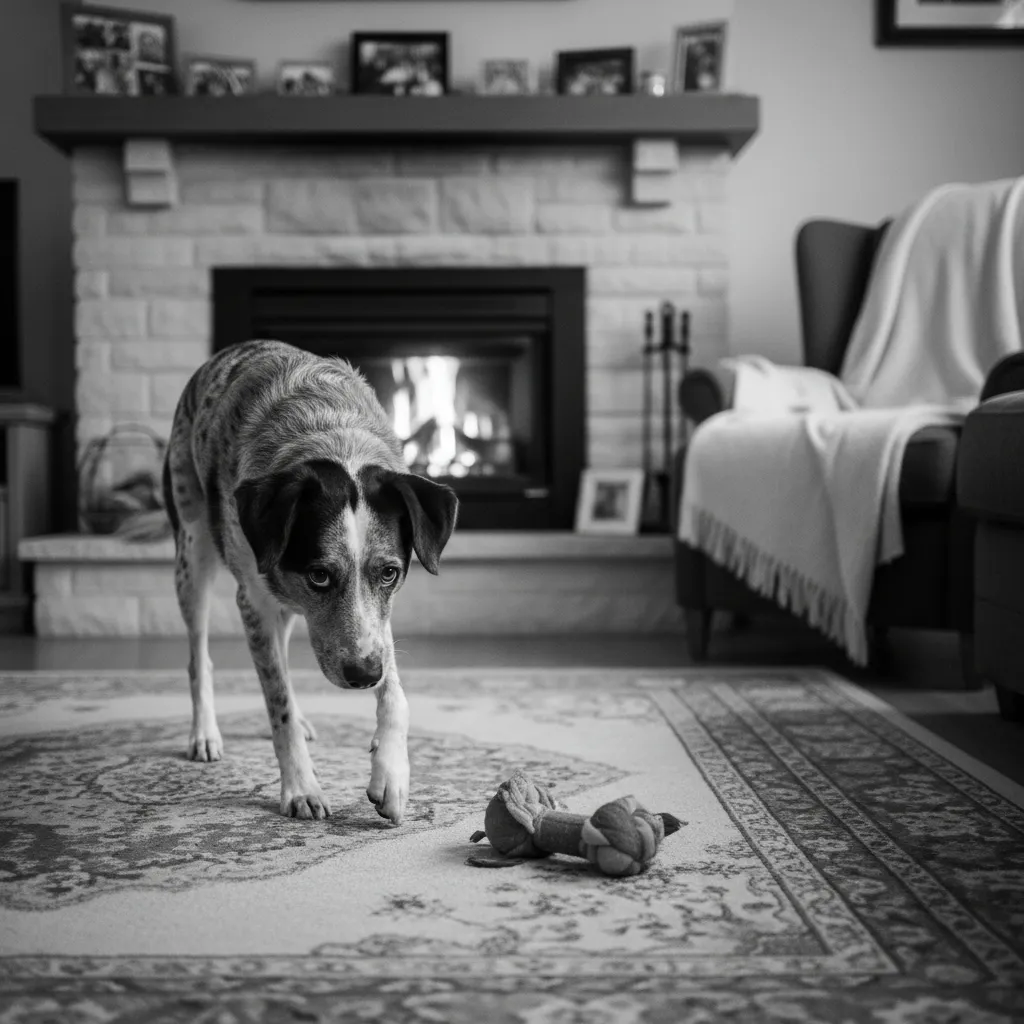
The shift from a kennel run to a living room is a culture shock for a working dog. Many have never set foot inside a house. This transition requires patience and a structured approach.
Toilet Training Basics
Never assume a retired farm dog is house-trained. On the farm, the world is their toilet. Treat them like a large puppy initially. Take them out frequently, especially after meals and naps, and praise them heavily for doing their business on the grass. Most working breeds are clean by nature and learn very quickly, but accidents in the first week are to be expected.
Sensory Overload
Household appliances that we ignore can be terrifying for a dog used to the sound of wind and whistling. Vacuum cleaners, washing machines, and televisions are alien concepts. Introduce these sounds gradually. If the dog shows fear, do not coddle them (which reinforces the fear) nor punish them. Instead, act calm and confident to show them there is nothing to worry about.
Surfaces and Stairs
Linoleum, tiles, and polished wood floors can feel like ice to a dog used to dirt and grass. A retired dog may freeze and refuse to walk on shiny floors. Use runner rugs to create safe pathways while they build confidence. Similarly, stairs might be a new challenge that requires encouragement and treats to master.
Training for Household Living
Training a retired working dog is not about teaching them to sit; it is about teaching them how to be a pet. Their previous training was functional and distance-based, whereas pet training is social and proximity-based.
Leash Walking
Farm dogs rarely walk on a leash. They are used to trotting behind a bike or running alongside a quad. When you first attach a lead, they may freeze or pull frantically. Use a front-clip harness to manage pulling without choking them. Practice in the backyard before hitting the sidewalk. The goal is to teach them that the leash connects them to you, not that it is a restraint to be fought against.
Socialization
While farm dogs are socialized with their pack, they may not be used to the variety of breeds found at a city dog park. A Pug or a Husky looks very different from a sheepdog. Introduce them to new dogs slowly and in neutral territory. Be aware that Heading Dogs may try to stalk or control other dogs during play, which can be misinterpreted as aggression.
Recall
You might assume a farm dog has perfect recall. However, their recall is often context-specific (e.g., a specific whistle on a specific hill). In a park with the scent of a rabbit, their farm training might fail. Do not let them off-leash in unfenced areas until you have re-trained a solid recall command using high-value treats.
Housing and Tenant Advocacy for Large Breeds
One of the biggest hurdles for adopting retired working dogs in New Zealand is the rental market. Huntaways and Heading Dogs are medium-to-large breeds, often automatically excluded by “no pets” or “small pets only” clauses. However, as an advocate for the dog, you can take steps to secure housing.
Creating a Pet Resume
To convince a landlord, treat your dog’s application like a job interview. Create a “Pet Resume” that includes:
1. References: A letter from the previous owner (farmer) or the foster home attesting to the dog’s calm nature.
2. Health Records: Proof of desexing, flea treatment, and vaccinations.
3. Photos: diverse photos showing the dog sleeping or interacting gently with people.
4. Training Certificates: If you have completed a basic obedience course, include this.
Fencing Requirements
These dogs are athletic. A standard 1.2-meter fence might be insufficient for a Heading Dog that can jump onto the back of a ute. Inspect the property for escape routes. If you are renting, propose temporary fencing solutions or offer to improve the fencing at your own cost (with landlord permission) to secure the tenancy.
Health Considerations for Senior Farm Dogs
When looking for retired working dogs for sale NZ, remember you are adopting a senior athlete. Their bodies bear the scars of their profession.
Managing Arthritis
Years of jumping off quad bikes and running down steep gullies take a toll on joints. Arthritis is common. High-quality joint supplements containing Glucosamine and Chondroitin are non-negotiable. In colder months, ensure they have a warm, padded bed off the floor. Hydrotherapy is also an excellent, low-impact way to maintain muscle mass in retired workers.
Dietary Shifts
A working dog eats a high-calorie diet to fuel 20-30km of running a day. A retired dog doing a 30-minute walk needs significantly fewer calories. Obesity is a major risk for retired workers and will exacerbate arthritis. Switch them to a high-quality senior diet that promotes satiety without the calorie density of working dog rolls.
For authoritative advice on veterinary care for aging working breeds, the New Zealand Veterinary Association provides resources and breeder directories that can be helpful for new owners understanding breed-specific ailments.
Conclusion
Adopting a retired working dog is a deeply rewarding experience. You are preserving a piece of New Zealand’s rural heritage and gaining a best friend who asks for nothing more than a warm bed and a kind word. While the transition requires effort, the bond formed with a dog that has seen the world and is now ready to rest is unlike any other. Whether you choose a boisterous Huntaway or a soulful Heading Dog, you are saving a life and enriching your own.
People Also Ask
How much does it cost to adopt a retired working dog in NZ?
Adoption fees for retired working dogs in NZ typically range from $200 to $400. This fee generally covers desexing, vaccinations, microchipping, and registration. Direct rehoming from farmers may have no fee, but you will be responsible for all vet costs immediately.
Are retired farm dogs good house pets?
Yes, retired farm dogs often make excellent house pets. They are generally loyal, intelligent, and quick to learn house rules. However, they require a transition period to adjust to indoor sights, sounds, and toilet training.
Do retired Huntaways need a lot of exercise?
While less active than when they were working, retired Huntaways still require moderate daily exercise. A good 30 to 60-minute walk daily is usually sufficient, along with mental stimulation, though this depends on the dog’s age and joint health.
Can retired working dogs live with cats?
It depends on the individual dog. Some working dogs have a high prey drive and may chase cats, while others have been raised around barn cats and are indifferent. Careful, slow introductions are essential.
At what age do working dogs retire in NZ?
Most working dogs in New Zealand retire between 7 and 10 years of age. However, some may retire earlier due to injury, or later if they remain fit and are moved to lighter duties before full retirement.
Where can I adopt a retired Huntaway or Heading dog?
You can adopt them through specific charities like Retired Working Dogs NZ, local SPCA branches, or by checking rural listings on TradeMe and community Facebook pages dedicated to farm dog rehoming.
