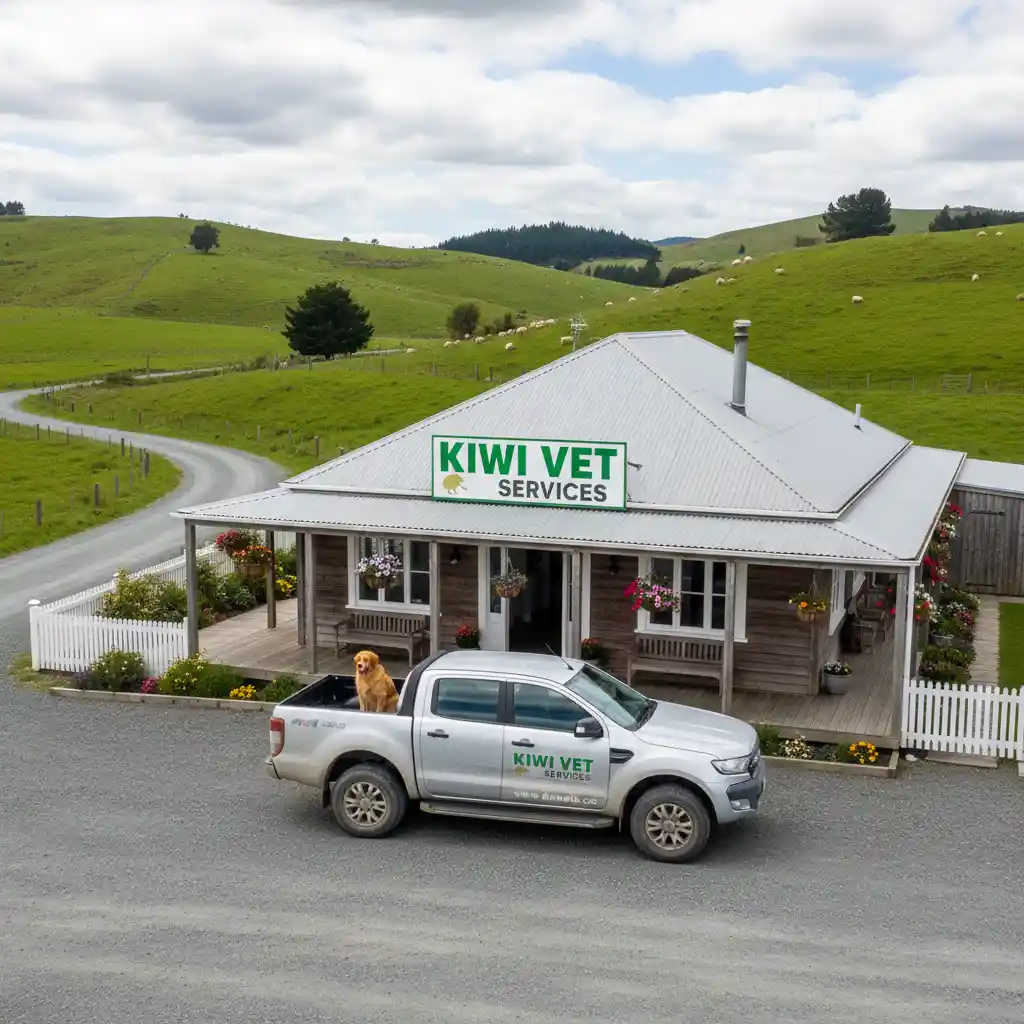
Finding a Vet in Rural NZ
Finding rural vets in NZ requires identifying “mixed practice” clinics that service both livestock and companion animals, often located in regional agricultural hubs. To ensure adequate care, pet owners must proactively research after-hours availability, establish a relationship with a local clinic immediately upon relocation, and maintain a robust pet first-aid kit due to significantly longer travel times during medical emergencies.
New Zealand is world-renowned for its agricultural prowess, a reputation built on the backs of hard-working farmers and their animals. However, for pet owners moving from urban centers like Auckland or Wellington to the scenic “wop-wops” of rural New Zealand, the transition brings a unique set of challenges regarding animal healthcare. Whether you are adopting a rescue dog to live on a lifestyle block or are a tenant negotiating a pet-friendly lease in a remote farmhouse, understanding the landscape of rural vets NZ is critical for responsible ownership.
The veterinary industry in New Zealand is currently facing significant pressure, particularly in the regions. This guide serves as a definitive resource for navigating this landscape, ensuring that your companion animals receive the gold standard of care, regardless of how far you are from the nearest traffic light.
The Reality of Rural Veterinary Care in New Zealand
In urban environments, veterinary clinics are akin to human GP practices—plentiful, specialized, and usually just a short drive away. In rural New Zealand, the veterinary model is fundamentally different. Rural clinics are the backbone of the agricultural economy, primarily focusing on production animals (dairy cows, sheep, beef cattle) while simultaneously caring for working dogs and household pets.
This dual focus creates a unique environment. The vet treating your cat for a kidney infection at 10:00 AM may have been calving a cow at 4:00 AM. These professionals are highly skilled generalists, capable of handling a vast array of species and conditions. However, the tyranny of distance and the shortage of veterinary staff in New Zealand mean that accessing these services requires more planning and foresight than in the city.
Key Challenges of Rural Pet Ownership
Before moving to a rural area, it is vital to understand the logistical hurdles involved in accessing animal healthcare. Being forewarned is being forearmed.
The Veterinary Shortage
New Zealand is currently experiencing a chronic shortage of veterinarians, a situation exacerbated by border closures during the pandemic and the high burnout rate in the profession. According to the New Zealand Veterinary Association (NZVA), rural areas are hit hardest. This shortage means that some clinics are no longer accepting new clients, or they have extended wait times for non-emergency appointments. For a tenant moving to a new region, simply assuming you can register with the local vet upon arrival is a risky strategy.
Distance and Travel Trauma
In a medical emergency, time is tissue. In the city, a 15-minute drive to an emergency center is standard. In rural areas, you may be 45 minutes to two hours away from the nearest clinic. This distance doesn’t just affect survival rates; it affects the animal’s stress levels during transport. Owners must be comfortable driving long distances on gravel roads with a distressed animal in the vehicle.
Cost Variations
While rural clinic consultation fees can sometimes be lower than premium city clinics, the cost of after-hours call-outs can be significantly higher due to travel time and mileage charged by the veterinarian. If a vet has to drive out to your property, the mileage fee alone can be substantial.
Distinguishing Between Stock and Companion Animal Vets
One of the most common points of confusion for new rural residents is the distinction between types of veterinary practices. Understanding the terminology will help you find the right provider.
Mixed Practice Clinics
The vast majority of rural vets NZ operate as “Mixed Practices.” This means the clinic employs vets who treat both large animals (livestock/equine) and small animals (companion pets).
Pros:
- One-stop-shop for lifestyle block owners who have sheep, a pony, and dogs.
- Vets are practical, pragmatic, and excellent problem solvers.
Cons:
- During peak farming seasons (calving or lambing), the clinic is under immense pressure.
- Specialized equipment (like MRI or advanced CT scans) is rarely available on-site, necessitating referrals to city centers.
Production Animal Vets
Some vets specialize strictly in production animals. They spend their days on farms and may not have a clinic facility suitable for performing surgery on a cat or dog. If you see a vet truck, do not assume they can vaccinate your puppy—they might strictly be a dairy specialist.
Companion Animal Specialists
These are rare in truly rural areas. Usually, finding a board-certified specialist (e.g., for complex orthopedics or oncology) requires travel to a major hub like Palmerston North (Massey University), Auckland, or Christchurch.
Navigating Emergency and After-Hours Care
The most critical aspect of your rural pet safety plan is the after-hours protocol. Unlike cities with dedicated 24/7 emergency hospitals, rural after-hours care is typically provided by the local vets on a rotating roster.
This means the vet you see at 2:00 AM has likely worked a full day and will work a full day tomorrow. Because of this strain, many rural practices are now pooling their after-hours services. You might call your local vet in Te Awamutu, but the on-call vet might be based in Otorohanga or Cambridge.
Actionable Steps for Tenants and Owners:
- Ask Before You Move: Call the local clinics and ask, “What is your after-hours protocol? Do you share a roster with other towns?”
- Know the Route: If the after-hours clinic is in a neighboring town, drive the route during the day so you aren’t navigating unfamiliar rural roads in the dark during a crisis.
- Save the Number: Have the direct after-hours number saved in your phone and written on the fridge. In rural areas with spotty cell service, knowing the landline number is crucial.
The Rise of Mobile Vet Services in Regional NZ
To combat the tyranny of distance, there has been a surge in mobile veterinary services across New Zealand. These are fully equipped vans that come to your driveway.
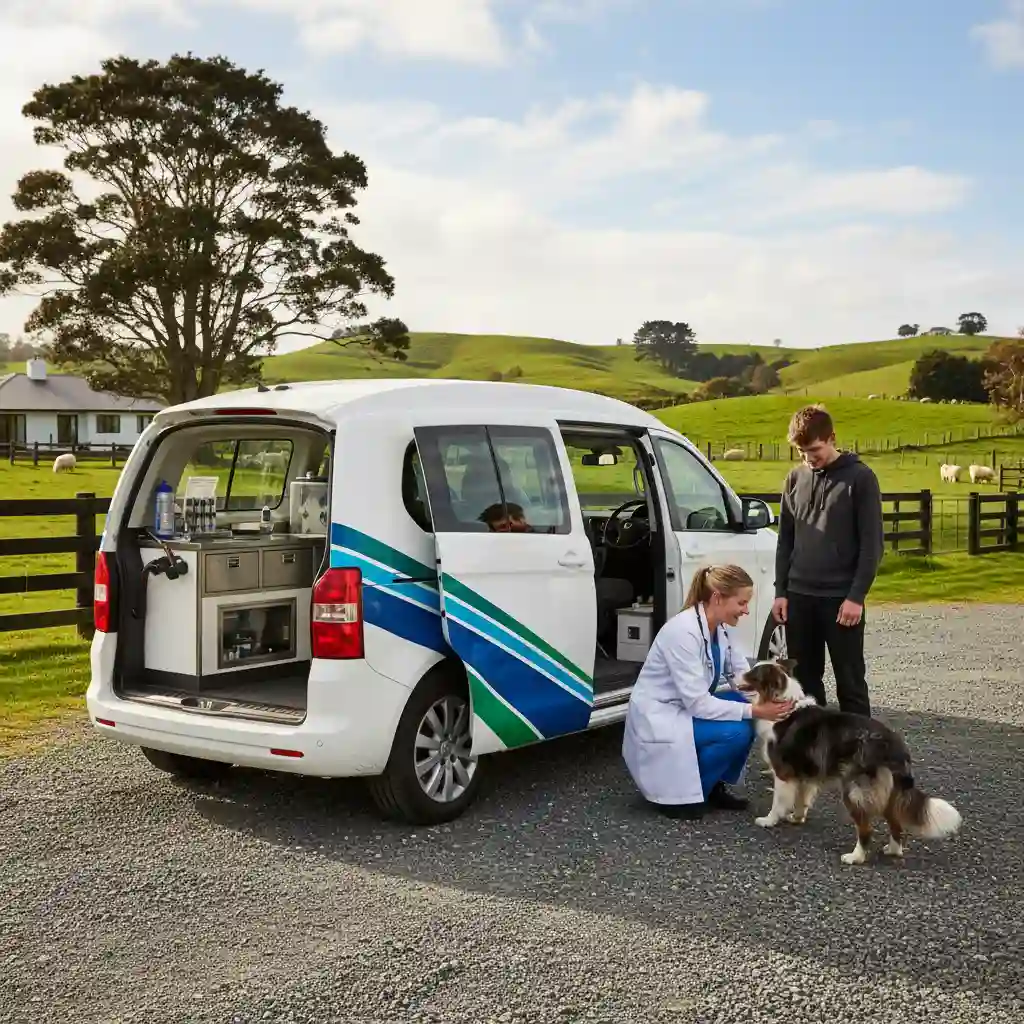
Mobile vets are excellent for:
- Routine Vaccinations and Check-ups: avoiding the stress of the car ride.
- At-Home Euthanasia: providing a peaceful passing for a beloved pet in their own garden.
- Minor ailments: Skin checks, ear infections, and general wellness.
However, mobile vets have limitations. They typically cannot perform major surgery, X-rays, or hospitalization in the van. They work best as a complement to a brick-and-mortar clinic, not a complete replacement.
Telehealth and Remote Veterinary Support
The digital age has reached the paddock. Telemedicine is becoming a vital tool for rural vets NZ to triage patients. Services like VetChat or clinic-specific video calls allow a vet to assess an animal remotely.
While a vet cannot legally prescribe certain restricted medications without a physical examination due to New Zealand’s MPI regulations, a video call can help determine if a situation is a “drive now” emergency or something that can wait until morning. For rural owners facing a 90-minute drive, this triage service is invaluable.
Preparation Strategy for Rural Tenants and Owners
If you are renting in a rural area, demonstrating responsible pet ownership can be the key to securing a lease. Landlords are often concerned about working dogs or livestock being disturbed by tenants’ pets. Showing that you have a registered vet and a health plan alleviates these fears.
The Rural Pet First Aid Kit
Because professional help is further away, your home kit must be more comprehensive than a city dweller’s. It should include:
- Bandaging materials: Vet wrap (cohesive bandage), gauze, and padding.
- Saline solution: For flushing wounds (common in rural settings due to wire fences).
- Antihistamines: (Consult your vet for dosage) for bee or wasp stings.
- Emetic agents: (Consult your vet) to induce vomiting if toxic substances are ingested, though this must only be done under phone instruction.
- Tick removal tools: Especially in areas with cattle ticks.
- Emergency blanket: To keep an animal in shock warm during the long drive.
For further reading on animal welfare codes and regulations in New Zealand, the Ministry for Primary Industries (MPI) provides extensive resources on the legal obligations of lifestyle block owners.
People Also Ask
How do I find a vet in a remote area of New Zealand?
To find a vet in remote NZ, use the New Zealand Veterinary Association (NZVA) ‘Find a Vet’ online tool. Alternatively, ask local farmers or community Facebook groups for recommendations on “mixed practice” clinics that handle companion animals in your specific region.
Are rural vets cheaper than city vets in NZ?
Generally, consultation fees at rural mixed-practice clinics can be lower than in major cities due to lower overheads. However, emergency after-hours fees can be higher if the vet is required to travel to your property, as mileage is charged.
Can a farm vet treat my dog or cat?
Yes, most rural vets work in “mixed practice” clinics and are trained to treat both livestock and companion animals. However, specialized surgeries may require a referral to a city specialist.
What should I do if my pet has an emergency after hours in the country?
Call your registered clinic’s phone number immediately. It will either divert to an on-call vet or provide a number for the nearest emergency service. Be prepared to drive to a neighboring town, as rural clinics often share on-call rosters.
Do mobile vets operate in rural New Zealand?
Yes, mobile vet services are increasingly common in regional NZ. They are ideal for vaccinations and minor check-ups but typically cannot handle major surgeries or emergencies requiring hospitalization.
Is pet insurance worth it for rural pets?
Yes, pet insurance is highly recommended. Rural pets face different risks (snake bites are not an issue in NZ, but toxins, farm machinery injuries, and fence injuries are). Insurance helps cover the cost of emergency transport or referral to specialist centers which can be expensive.