Greyhound Adoption (GAP) Guide
To adopt a greyhound NZ residents must typically apply through an accredited rehoming agency such as Greyhounds as Pets (GAP). The process involves a detailed lifestyle assessment, a property check to ensure secure fencing, and a matching phase to pair owners with a retired racer that suits their specific household dynamic, whether that includes children, other pets, or apartment living.
Adopting a retired racing greyhound is a decision that transforms lives—both for the dog and the human. In New Zealand, the movement to rehome these elite athletes has gained significant momentum, shifting the public perception of the breed from track competitors to beloved family companions. Often referred to as “45mph couch potatoes,” greyhounds offer a unique blend of elegance, gentleness, and surprisingly low-maintenance care.
However, bringing a sighthound into your home requires understanding their unique background. These dogs have often spent their early years in kennels, following strict routines centered around racing. Transitioning to a domestic environment—navigating glass doors, stairs, and vacuum cleaners—can be a learning curve. This comprehensive guide explores everything you need to know about the adoption process, legal requirements, and the reality of living with a retired racer in Aotearoa.
Understanding the Greyhounds as Pets (GAP) Program
The Greyhounds as Pets (GAP) program is a charitable trust established to find loving homes for greyhounds after their racing careers end. In New Zealand, GAP is one of the primary bodies facilitating this transition. Their mandate goes beyond simple rehoming; they are dedicated to the welfare and rehabilitation of these dogs to ensure they are “pet ready.”
When a greyhound retires from the racing industry, they often enter the GAP program where they undergo a comprehensive temperament assessment. This assessment is crucial for determining the dog’s suitability for different types of homes. Some dogs are fostered first, living with experienced volunteers who introduce them to the sights and sounds of a typical Kiwi home. This foster period is invaluable as it provides the adoption coordinators with detailed information about the dog’s personality, including their reaction to small dogs, cats, and children.
It is important to note that GAP is not the only rehoming agency, but it is the most prominent one associated with the racing industry’s welfare standards. The program prioritizes safety and education, ensuring that new owners are fully equipped to handle the specific needs of a sighthound.
Why Choose a Retired Racer?
Greyhounds possess a temperament that is distinct from most other working breeds. Unlike high-drive farm dogs or energetic terriers, greyhounds are sprinters, not endurance runners. Physiologically, they are built for short bursts of extreme speed followed by long periods of rest.
Key Personality Traits:
- Affectionate: They are often described as “velcro dogs,” preferring to lean against their owners or follow them from room to room.
- Quiet: Greyhounds rarely bark. This makes them exceptional neighbors and ideal for suburban environments where noise control is an issue.
- Clean: They have short coats, shed minimally compared to double-coated breeds, and generally lack the strong “doggy odor” associated with other breeds.
- Sensitive: They are emotionally sensitive creatures that respond best to positive reinforcement and gentle handling. Harsh correction is neither necessary nor effective with this breed.
Busting Common Myths: Exercise and Energy
The most pervasive myth surrounding the keyword “adopt a greyhound NZ” is the belief that these dogs require hours of vigorous exercise every day. Prospective owners often assume that because the dog was a professional athlete, they need an owner who runs marathons. This could not be further from the truth.
The 20-Minute Rule
Most retired greyhounds are satisfied with a 20 to 30-minute walk once or twice a day. The rest of the time, they are content to sleep. In fact, greyhounds can sleep up to 18 hours a day. Their energy is explosive but short-lived. If you are looking for a hiking companion to scale the Southern Alps, a greyhound might struggle with the endurance required. If you are looking for a companion for a gentle evening stroll and a movie marathon, they are perfect.
Another myth is that they cannot be trained. While they are not as biddable as a Border Collie, greyhounds are intelligent. However, their training history is different; they were trained to chase a lure, not to “sit” or “heel.” With patience and food rewards (they are often very food-motivated), they can learn basic obedience.
Muzzling Laws and the Green Collar Exemption
One of the most critical aspects of adopting a greyhound in New Zealand involves understanding the Dog Control Act and specific exemptions regarding muzzling. Historically, greyhounds were required by law to be muzzled in public places due to their prey drive and racing training.
However, the Green Collar program has changed this landscape. To advocate for the breed’s integration into society, a rigorous assessment was developed. When you adopt through a reputable program like GAP, the goal is often to help the dog achieve “Green Collar status.”
What is the Green Collar?
The Green Collar is an official exemption under the Dog Control Act. A greyhound that has passed this specific temperament test is legally allowed to be in public without a muzzle. The test assesses the dog’s reaction to sudden noises, strange objects, other dog breeds (particularly small dogs), and handling by strangers.
Until a greyhound has its Green Collar, it must be muzzled in public. Adopters should view the muzzle not as a punishment, but as a safety tool. Modern wire basket muzzles allow the dog to pant, drink, and take treats comfortably. For more details on the legal framework, you can refer to the Department of Internal Affairs regarding dog control laws.
Suitability for Apartments and Families
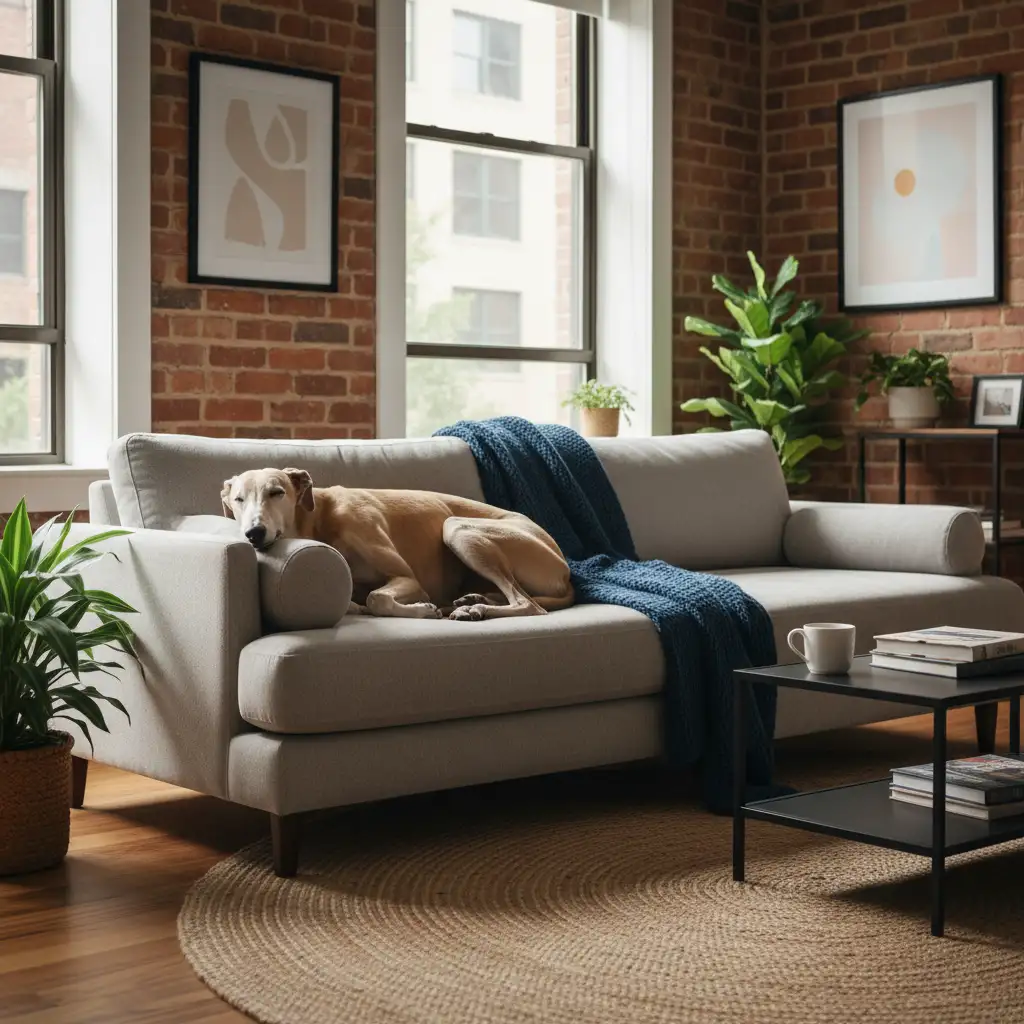
Are greyhounds suitable for apartment living? Surprisingly, yes. Because of their lethargic nature indoors and their silence, they adapt incredibly well to smaller spaces, provided they get their daily sniff-and-stroll. They do not need a sprawling backyard to run in, although a secure area for “zoomies” (a sudden burst of energy running in circles) is appreciated.
Families with Children
Greyhounds are generally gentle with children, but caution is advised. Because they have thin skin and little body fat, they can be sensitive to rough play. They are not dogs that enjoy being wrestled with. They are better suited to families with older children or households where younger children are taught to respect the dog’s space, particularly when the dog is sleeping. Sleep startle (a reflex reaction to being woken up suddenly) can be present in some retired racers.
The Cat Question
Can they live with cats? It depends entirely on the individual dog. GAP and other agencies conduct “cat testing.” Some greyhounds have a high prey drive and cannot live with small animals. Others are indifferent and can coexist peacefully with cats and rabbits. If you have a cat, it is vital to request a “cat-tolerant” greyhound specifically.
The Step-by-Step Adoption Process in NZ
If you have decided to adopt a greyhound in NZ, here is the typical workflow you can expect:
- Application: You submit a detailed form outlining your home environment, work hours, fencing height, and family members.
- Phone Interview: An adoption coordinator will discuss your application to clarify your needs and expectations.
- Home Visit/Property Check: A volunteer or staff member will visit your home. The most critical factor is fencing. Greyhounds are sighthounds; if they see something moving in the distance, they may chase it. Fences usually need to be at least 1.8 meters high, though some lower-energy dogs may be approved for lower fences.
- Matching: The agency matches you with a dog. Unlike a traditional shelter where you walk down a row of cages and pick a dog, greyhound adoption is usually done by matching profiles. The experts know which dog will suit your lifestyle.
- Meet and Greet: You meet the dog. If you have existing dogs, they will need to meet on neutral ground to ensure compatibility.
- Trial Period: Most adoptions begin with a trial period (often two weeks) to ensure the fit is right before the adoption is finalized.
Health, Diet, and Coat Care
Greyhounds are generally a healthy breed, avoiding many of the hip dysplasia issues found in other large dogs. However, there are breed-specific care requirements.
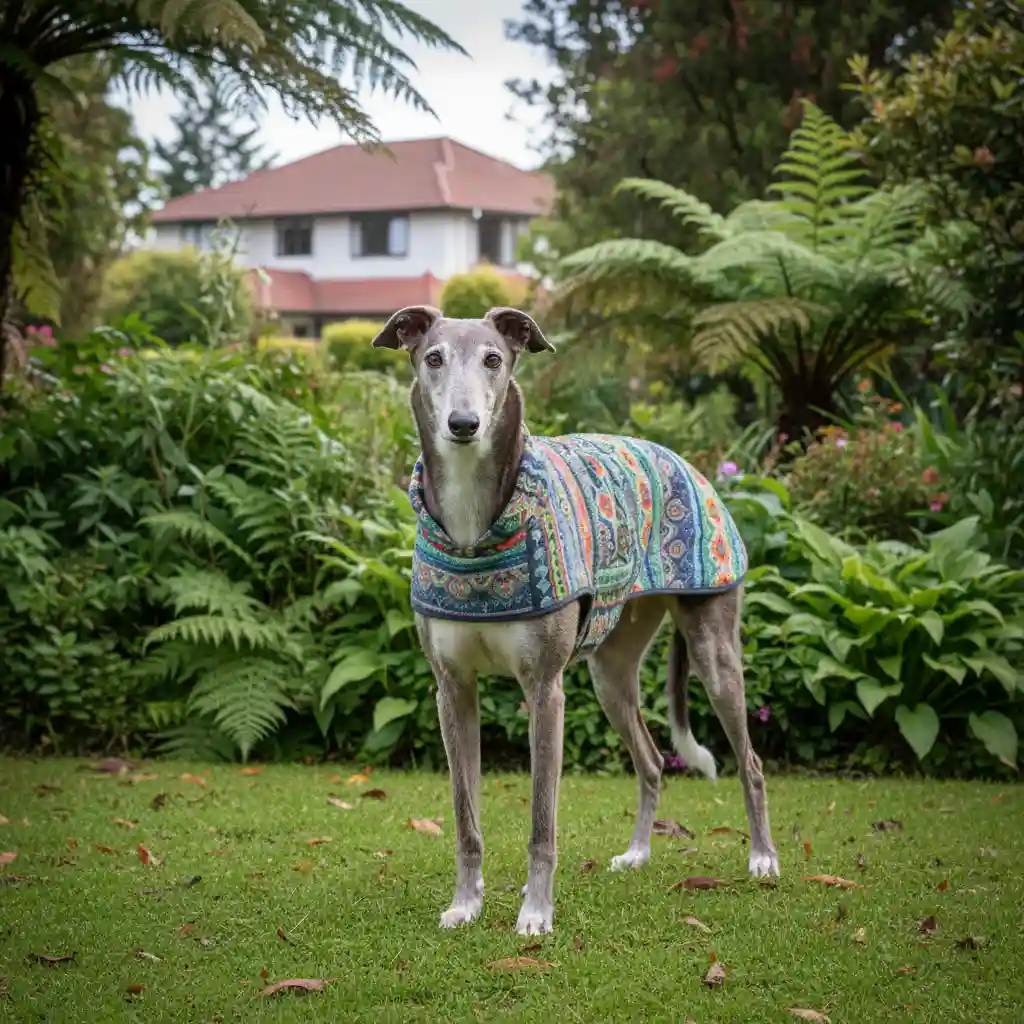
- Temperature Sensitivity: Greyhounds have very low body fat and thin fur. They feel the cold intensely. In New Zealand winters, a coat or sweater is mandatory for outdoor walks, and warm pajamas are often recommended for sleeping at night. Conversely, they can overheat quickly in summer.
- Dental Health: Retired racers often have poor dental health upon retirement due to the soft diet fed during their racing days. Adopters should be prepared for regular teeth brushing and potential dental veterinary costs.
- Corns: Greyhounds can develop corns on their paw pads, which can be painful and cause lameness. This is a condition rarely seen in other breeds but common in sighthounds.
- Diet: High-quality kibble or a raw diet is recommended. Elevated feeding bowls are often suggested to aid digestion, although the necessity of this for preventing bloat is debated among veterinarians.
Greyhounds and Renting: A Tenant’s Best Friend
In the challenging New Zealand rental market, pet-friendly rentals are scarce. However, greyhounds are increasingly becoming the “poster dogs” for tenant advocacy. Their reputation for being quiet, clean, and lazy makes them an easier sell to landlords than a barking terrier or a high-energy working breed.
When applying for a rental with a greyhound, providing a “Pet CV” that highlights their Green Collar status (if applicable), their crate training, and their low activity levels can significantly help your case. Organizations like Greyhounds as Pets NZ can sometimes provide support letters or resources to help demonstrate the breed’s suitability for rental properties.
Frequently Asked Questions
Below are some common questions regarding greyhound adoption in New Zealand.
How much does it cost to adopt a greyhound in NZ?
Adoption fees typically range between $350 and $500 NZD. This fee usually covers desexing, vaccination, microchipping, registration, dental scaling, and a collar/leash set. Compared to buying a puppy, it is a very cost-effective way to acquire a pet.
Do greyhounds need to be muzzled in NZ?
By default, yes, in public places. However, greyhounds that have passed the “Green Collar” assessment are exempt from this requirement and can be walked unmuzzled. On private property, muzzles are not required.
Are greyhounds good with cats?
Some are, but many are not due to their high prey drive. Adoption agencies conduct cat-testing to identify dogs that are “cat-tolerant.” If you have a cat, you must wait for a dog that has been specifically assessed as safe for small animals.
Can greyhounds live outside?
No. Greyhounds have very little body fat and thin coats, making them susceptible to extreme heat and cold. They are strictly indoor dogs and must sleep inside the house, preferably on a soft bed or sofa.
How long do retired greyhounds live?
Greyhounds are a large breed with a relatively long lifespan. They typically live between 12 to 14 years. Since they often retire from racing between 2 and 5 years old, you can expect many years of companionship.
Are greyhounds hypoallergenic?
No, greyhounds are not hypoallergenic. However, they have short, single coats and produce less dander and oil than many other breeds, which may make them tolerable for people with mild allergies.
