Indoor vs Outdoor Cats: NZ Conservation
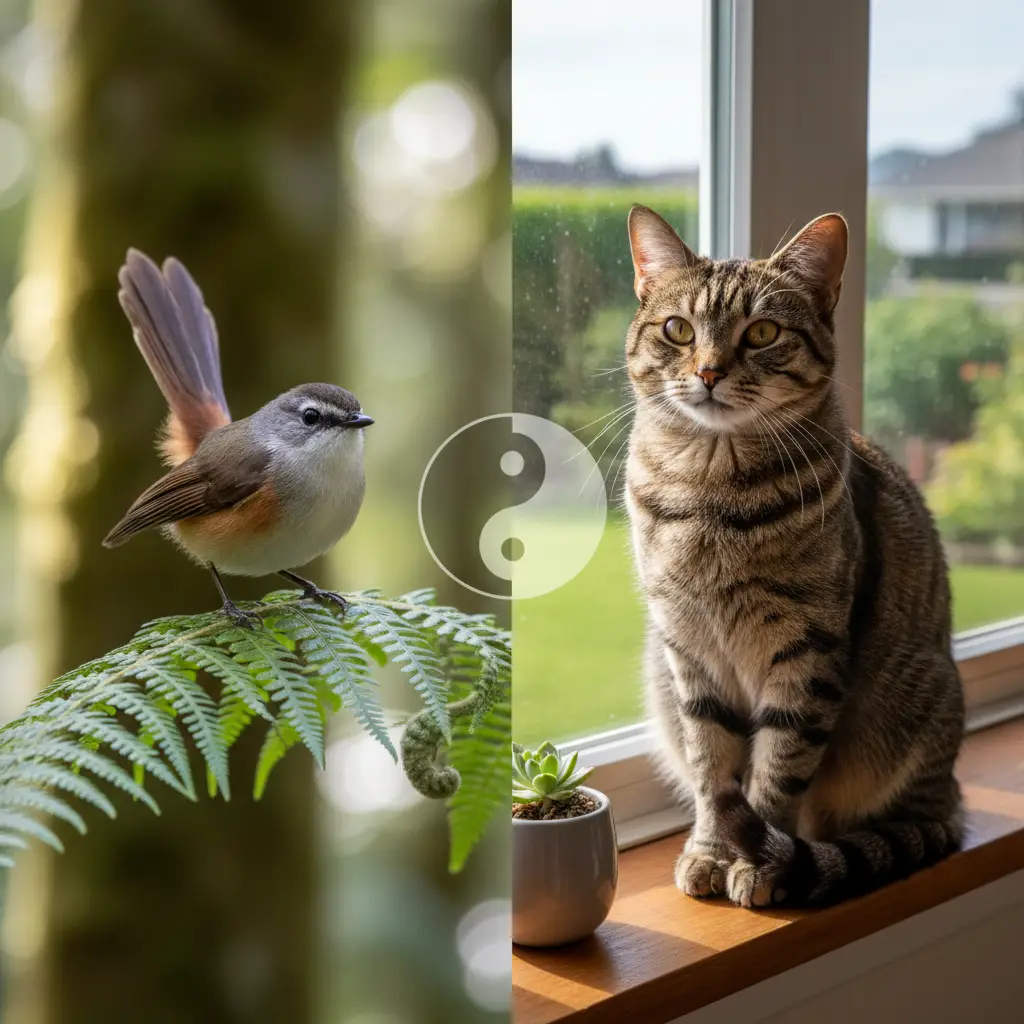
Indoor cats in NZ conservation strategies play a critical role in protecting vulnerable native species like the kiwi, fantail, and skinks from predation. Keeping cats contained prevents significant biodiversity loss while ensuring the pet’s safety from traffic and disease, aligning responsible ownership with Aotearoa’s ambitious Predator Free 2050 goals.
The Critical Role of Indoor Cats in NZ Conservation
New Zealand is a biological anomaly. Having evolved for millions of years without land mammals (aside from bats), our native fauna is uniquely ill-equipped to defend itself against introduced predators. The domestic cat (Felis catus), while a beloved companion in over 40% of New Zealand households, represents a significant apex predator in this delicate ecosystem.
The conversation around indoor cats NZ conservation is not about vilifying pets or their owners. Rather, it is about shifting cultural norms towards responsible pet ownership that respects the unique heritage of Aotearoa. The concept of the “indoor-only” or “contained” cat is gaining traction, driven by both conservation advocates and veterinarians who recognize that a contained cat is often safer, healthier, and lives longer.
For tenants and homeowners alike, understanding this dynamic is essential. It bridges the gap between enjoying the companionship of a feline friend and contributing to the national effort to save species that exist nowhere else on Earth. By keeping cats indoors or in secure outdoor enclosures, owners can break the chain of predation that threatens our backyard biodiversity.
The Impact of Predation on Native Wildlife
The statistics surrounding cat predation in New Zealand are sobering. While feral cats are often cited as the primary threat, domestic wandering cats also contribute significantly to the decline of native species. Because domestic cats are subsidized predators—meaning they are fed at home and do not rely on hunting for survival—they can maintain high population densities that would not occur naturally. This exerts immense pressure on local wildlife populations.
Vulnerable Species at Risk
It isn’t just the iconic Kiwi that is at risk. In suburban environments, the impact is felt most acutely by:
- Native Birds: Species such as the Tūī, Pīwakawaka (Fantail), and Kererū are frequent targets. Fledglings are particularly vulnerable during breeding season when they are learning to fly and spend time on the ground.
- Reptiles: New Zealand’s skinks and geckos are slow-moving and often diurnal, making them easy prey for wandering cats.
- Invertebrates: Large insects like Wētā are also consumed in large numbers, disrupting the lower levels of the food web.
According to the Department of Conservation (DOC), cats have contributed to the extinction of at least nine native bird species. In modern urban fringes, where residential areas border native bush, a single roaming cat can decimate local populations of lizards and ground-nesting birds.
The “Well-Fed” Myth
A common misconception among cat owners is that a well-fed cat will not hunt. Research indicates that hunting is an instinctive behaviour independent of hunger. Even cats with full bowls will hunt for sport or practice, often leaving their prey uneaten. This instinctual drive means that dietary management alone is insufficient to protect wildlife; physical containment is the only 100% effective method.
Transitioning an Outdoor Cat to Indoors
Transitioning a cat that is accustomed to roaming freely into an indoor-only lifestyle requires patience, strategy, and environmental enrichment. For many owners, this transition is sparked by a desire to protect wildlife or after a scare with a car or a cat fight. Regardless of the motivation, the process must be gradual to reduce stress for the animal.
Step-by-Step Transition Plan
- Gradual Restriction: Start by keeping the cat inside at night. This is when kiwi and other nocturnal species are most active, and it is also when cats are most at risk from road traffic. Slowly extend the time they remain inside during the morning and evening.
- Feeding Routine: Shift feeding times to coincide with high-risk hunting periods (dawn and dusk). A cat with a full stomach may be more inclined to sleep, and associating coming inside with food creates a positive reinforcement loop.
- Environmental Enrichment: Boredom is the enemy of the indoor cat. You must replace the stimulation of the outdoors with indoor activities. This includes:
- Vertical Space: Cat trees, shelves, and window perches allow cats to survey their territory from above.
- Interactive Play: Engage in at least two 15-minute play sessions daily with wand toys to satisfy the hunting instinct.
- Puzzle Feeders: Make them work for their food to provide mental stimulation.
- Scent Soakers: Provide scratchers and bedding that the cat can mark with their scent, helping them feel secure in their indoor territory.
Dealing with Door Dashing
Some cats will attempt to bolt through open doors. To mitigate this, establish a “airlock” system if possible, or train your cat to sit on a specific mat or tower away from the door for a treat before you exit. Consistency is key. Never reward begging at the door by letting them out; this only reinforces the behaviour.
Building Catios and Secure Enclosures: Renter-Friendly Options
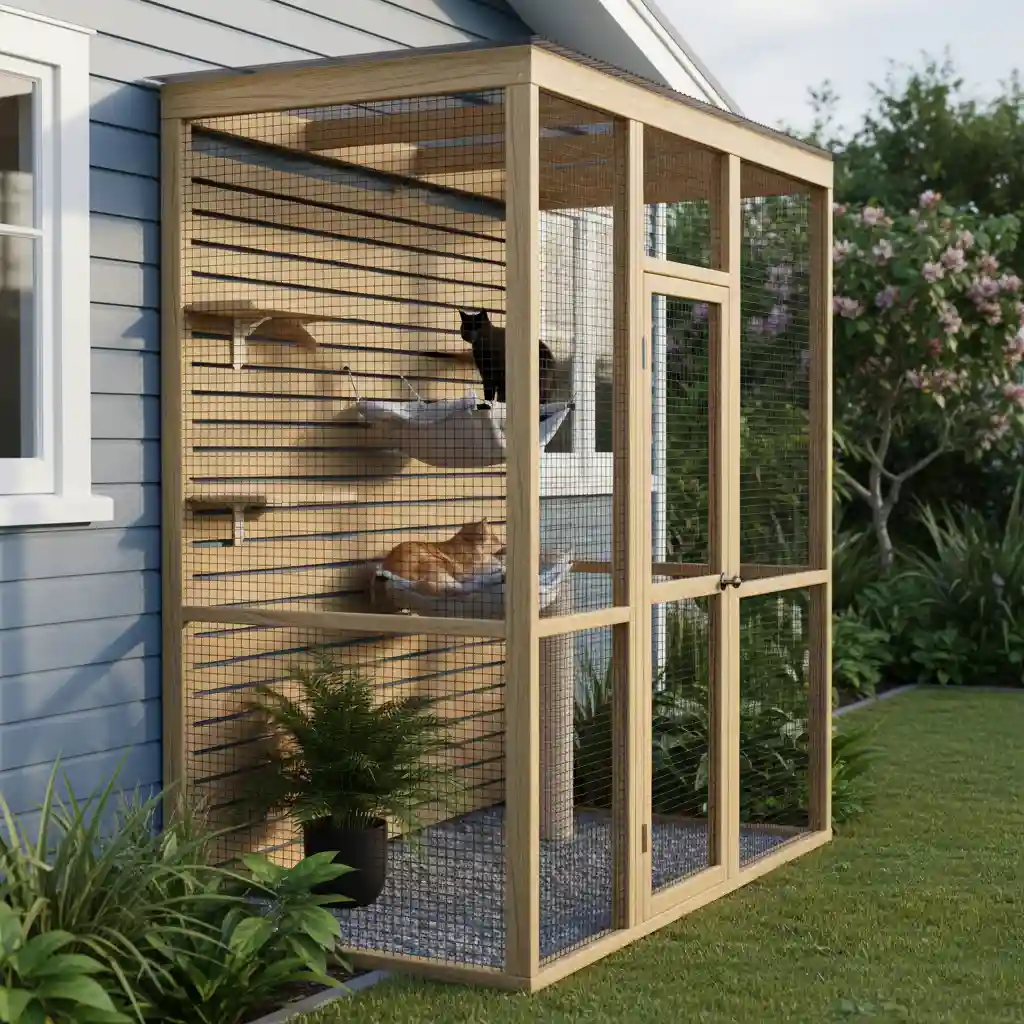
For many New Zealanders, particularly those in the pet adoption and tenant advocacy space, the challenge is providing outdoor access without the freedom to roam. This is where “Catios” (cat patios) and secure enclosures come into play. These structures offer the best of both worlds: fresh air and sunshine for the cat, and safety for the local wildlife.
Types of Enclosures
- Window Boxes: Small mesh boxes that protrude from a window, allowing the cat to sit “outside” without touching the ground.
- Free-Standing Runs: Tunnels and large cages connected to the house via a cat door or window.
- Cat-Proof Fencing: Specialized spinning paddles or angled netting placed on top of existing fences to prevent cats from climbing over.
Solutions for Renters
Tenants often face restrictions on modifying properties. However, the market has adapted with non-permanent solutions that do not require drilling or structural changes, which is vital for maintaining a good relationship with landlords.
Portable Catios: These are modular, cage-like structures that can be assembled on a deck or lawn and disassembled when moving. They require no attachment to the building.
Netting Solutions: If you have a balcony, tension-based netting (which requires no hooks) can secure the area. Always seek written permission from your landlord before installing anything attached to the structure. Frame the request as a property protection measure—contained cats cause less damage to gardens and are less likely to bring fleas or dead animals into the rental property.
Council Bylaws and Legal Responsibilities
The legal landscape regarding cats in New Zealand is evolving. While there is no nationwide “leash law” for cats, individual councils are increasingly using their powers under the Local Government Act to manage cat populations, primarily to protect Significant Ecological Areas (SEAs).
Microchipping and Desexing
Many councils, including Wellington and Palmerston North, have introduced bylaws requiring all domestic cats to be microchipped and registered. Desexing is also heavily encouraged and, in some areas, mandatory for cats over a certain age. This helps control the population and reduces the number of wandering strays.
Containment Policies
Some councils have designated specific zones—usually near wildlife sanctuaries or reserves—where cats are either banned completely or must be contained to the owner’s property 24/7. For example, in areas near the predator-proof fence of Zealandia or the Waitākere Ranges, strict ownership rules apply.
It is crucial for potential pet adopters and tenants moving into new areas to check the local council website. Ignorance of a bylaw is not a valid defense, and councils have the authority to trap and remove wandering cats in protected zones.
Health and Safety Benefits for the Cat
Beyond conservation, keeping cats indoors is a matter of animal welfare. The “outdoor lifestyle” is fraught with perils that significantly shorten the lifespan of a companion animal. The SPCA New Zealand advocates for safe containment not just for birds, but for the cats themselves.
Disease and Injury Prevention
Outdoor cats are at high risk of contracting Feline Immunodeficiency Virus (FIV), often spread through deep bite wounds during territorial fights. Abscesses from fighting are one of the most common reasons for vet visits in NZ, costing owners hundreds of dollars.
Traffic and Toxins
Road accidents are a leading cause of premature death for cats in urban and suburban New Zealand. Furthermore, wandering cats are susceptible to poisoning (accidental consumption of slug pellets or antifreeze) and getting trapped in neighbours’ garages or sheds.
The “Happy Cat” Reality
There is a persistent myth that indoor cats are depressed. However, ethological studies show that with proper stimulation, indoor cats display lower cortisol (stress) levels than outdoor cats who must constantly patrol and defend territory. By providing a safe, enriched environment, you are not depriving your cat; you are protecting them.
People Also Ask
Is it illegal to have an outdoor cat in NZ?
Generally, no. It is not illegal to have an outdoor cat in most parts of New Zealand. However, specific councils have bylaws requiring microchipping and desexing, and some sensitive conservation areas have strict containment rules or total bans on cats.
Do cats really kill kiwis?
Yes, cats are a significant threat to kiwis, particularly kiwi chicks. A kiwi chick is vulnerable to cat predation until it reaches about 1.2kg in weight. In areas with high cat populations, kiwi survival rates drop dramatically without predator control.
How do I keep my cat in my yard NZ?
You can keep your cat in your yard by installing cat-proof fencing (such as spinning paddles or angled netting) on top of existing fences, building a custom “catio,” or using a secure overhead runner system with a harness.
Can I make my outdoor cat an indoor cat?
Yes, it is entirely possible to transition an outdoor cat to indoors. It requires patience, increasing indoor enrichment (toys, climbing towers), and a gradual reduction of outdoor time. Many cats adapt well to the safety and comfort of an indoor lifestyle.
What is the Predator Free 2050 goal regarding cats?
Predator Free 2050 aims to eradicate rats, stoats, and possums. While it does not explicitly target domestic cats, it encourages responsible pet ownership, such as microchipping, desexing, and containment, to prevent domestic cats from contributing to the feral population or hunting native wildlife.
Are cat bells effective for saving birds?
Cat bells have limited effectiveness. While they may reduce hunting success slightly, cats are ambush predators and can learn to move without ringing the bell. They are not a substitute for containment or keeping cats indoors.
