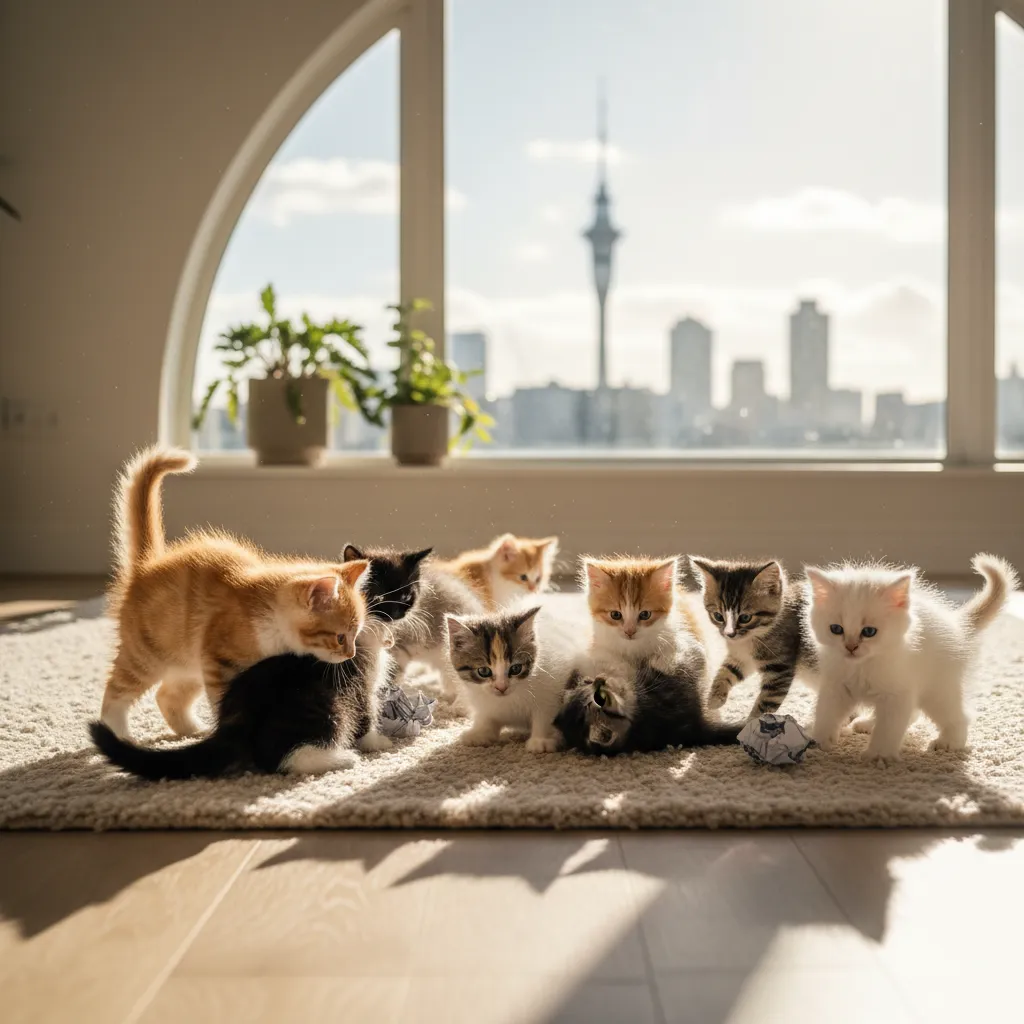
Kittens for Adoption Auckland
Kittens for adoption in Auckland are typically available through registered charitable organizations such as the SPCA, Gutter Kitties, and The Lonely Miaow Association. To adopt, prospective owners must complete an application process that often includes a property inspection, and pay an adoption fee ranging from $100 to $300, which covers essential veterinary costs like desexing, microchipping, and vaccinations.
The Landscape of Kitten Adoption in Auckland
Adopting a kitten in Auckland is more than just acquiring a pet; it is a life-saving act that directly impacts the local ecosystem and animal welfare resources. Auckland faces a significant challenge with stray and community cat populations, particularly during “kitten season,” which typically runs from late spring through to early autumn. During these months, shelters across the Super City—from the North Shore to Franklin—are often inundated with litters requiring foster care and permanent homes.
Choosing to adopt rather than shop supports a network of dedicated volunteers and professionals working tirelessly to manage the feline population. When you search for kittens for adoption in Auckland, you are looking for a companion that has been health-checked, socialized, and prepared for domestic life. Unlike purchasing from backyard breeders, adopting from a reputable rescue ensures that the animal’s welfare is prioritized over profit.
Furthermore, the ethical choice of adoption helps alleviate the strain on council resources and local charities. Every kitten adopted frees up space in a foster home or shelter cage for another animal in desperate need. This cycle of rescue and rehoming is vital for maintaining a humane approach to animal management in New Zealand’s largest city.
Top Auckland Rescue Organizations
Finding the right kitten starts with finding the right organization. Auckland is home to several high-authority rescue groups, each with its own adoption protocols and catchment areas. Here is a detailed list of the primary organizations where you can find kittens for adoption in Auckland.
SPCA Auckland (Mangere)
The Society for the Prevention of Cruelty to Animals (SPCA) is the most well-known animal welfare organization in the country. Their Auckland Centre in Mangere is a hub for animal rehabilitation. The SPCA adheres to strict “Open Admission” policies, meaning they take in animals in need regardless of age or breed. Their adoption packages are comprehensive, and they often have the largest volume of kittens available.
Gutter Kitties
Based primarily on the North Shore but operating across Auckland, Gutter Kitties is a no-kill charitable trust dedicated to street cats. They specialize in rescuing kittens born to feral mothers, socializing them, and finding them forever homes. They are renowned for their “Maneki Neko Cat Rescue” center and their extensive foster network. Adopting from Gutter Kitties often supports the rehabilitation of the most vulnerable felines in the region.
The Lonely Miaow Association
Lonely Miaow focuses on stray and abandoned cats in the Greater Auckland area. They do not have a central shelter; instead, they rely entirely on a network of foster homes. This means their kittens are raised in a home environment, often making them better socialized to household noises and routines than those raised in cages. Viewing is typically arranged by appointment with the specific foster parent.
9 Lives Orphanage
Located in South Auckland, 9 Lives Orphanage is a foster-based rescue that focuses on saving cats from high-kill situations. They are a smaller, volunteer-run organization that provides immense personal care to every kitten. They are particularly active on social media, posting current listings of kittens available for adoption.
Franklin Cat Rescue
Serving the Franklin district (Pukekohe, Waiuku, and surrounds), this charity is vital for the semi-rural southern outskirts of Auckland. They deal frequently with dumped litters and farm cats, transforming them into beloved house pets through dedicated medical care and socialization.
Understanding Adoption Fees and Inclusions
One of the most common misconceptions about adopting a kitten is the cost. While “free to a good home” listings on social media may seem appealing, they are often a false economy that can lead to significant expense and heartache down the road. Reputable rescues in Auckland charge an adoption fee, usually between $150 and $300 NZD. It is crucial to understand what this fee covers.
The adoption fee is a subsidized package that costs significantly less than if you were to pay for the veterinary services individually. A standard adoption fee generally includes:
- Desexing (Spay/Neuter): Essential for preventing unwanted litters and reducing behavioral issues.
- Microchipping: Registration on the New Zealand Companion Animal Register (NZCAR).
- First Vaccination: Protection against core diseases like Feline Panleukopenia and Cat Flu.
- Flea and Worm Treatment: Ensuring the kitten is parasite-free upon arrival.
- Vet Check: A general health examination by a qualified veterinarian.
If you were to arrange these services privately in Auckland, the cost could easily exceed $500 to $800. Therefore, the adoption fee represents excellent value while ensuring the kitten gets the best medical start in life.
Desexing, Microchipping, and Health Requirements
In Auckland, responsible pet ownership is heavily tied to desexing and microchipping. While the Auckland Council does not currently mandate cat registration in the same way it does for dogs, microchipping is a non-negotiable requirement for all reputable rescues.
The Importance of Desexing
Desexing is critical in Auckland due to the mild climate, which allows cats to breed nearly year-round. An un-desexed female cat can have multiple litters a year, contributing to the overpopulation crisis. Rescues will either desex the kitten before adoption (if they are over 1kg in weight) or issue a desexing voucher to be used at a partner vet when the kitten reaches the appropriate age.
Microchipping and the NZCAR
A microchip is a permanent form of identification. If your kitten strays or is injured, a vet or the SPCA can scan the chip to find your contact details. It is vital to keep your contact information updated on the New Zealand Companion Animal Register (NZCAR). Many lost cats in Auckland are never reunited with owners simply because phone numbers on the registry were outdated.
Tenant Advocacy: Adopting in a Rental
Auckland has a high population of renters, and securing a rental property that allows pets can be challenging. However, changes to the Residential Tenancies Act in recent years have shifted the balance slightly in favor of tenants, though landlords can still refuse pets on reasonable grounds.
Creating a Pet CV
To increase your chances of having a kitten approved by your landlord or property manager, treat the application like a job interview for your pet. Create a “Pet CV” that includes:
- Photos: Cute, clean photos of the kitten (or the kitten you intend to adopt).
- Health Info: Proof of desexing, microchipping, and flea/worm prevention.
- References: If you have rented with pets before, get a reference from your previous landlord stating the pet caused no damage.
- Action Plan: A brief statement on how you will manage litter, noise, and potential damage (e.g., “I will use a high-quality scratching post to protect carpets/furniture”).
Understanding Your Rights
Under the current tenancy laws, if a tenant requests to keep a pet, the landlord must not unreasonably withhold consent. However, reasonable grounds for refusal can include property suitability (e.g., a small apartment with no outdoor access) or body corporate rules. For detailed information on your rights, refer to the Tenancy Services website.

The Step-by-Step Adoption Process
Adopting a kitten is a structured process designed to ensure the safety of the animal and the suitability of the home. While steps vary slightly between organizations like the SPCA and smaller rescues, the general workflow in Auckland is as follows:
- Browse Listings: Check the websites or Facebook pages of the rescues listed above. Listings usually include the kitten’s age, temperament, and location.
- Submit an Application: Fill out an online form. Be honest about your living situation (renting vs. owning), the number of people in the house, and other pets.
- Phone Interview: A volunteer may call to discuss your application and ensure everyone in the household is on board.
- Meet and Greet: You will visit the shelter or the foster home to meet the kitten. This is crucial to see if the kitten’s personality matches your lifestyle.
- Home Check: Some organizations require a home visit (or a video walkthrough) to check for hazards (e.g., unsecured windows in high-rise apartments, toxic plants).
- Finalize Paperwork and Payment: Once approved, you sign the adoption contract and pay the fee.
- Collection: You take your new family member home in a secure cat carrier.
Preparing Your Home for a New Kitten
Before bringing your kitten home, you must “kitten-proof” your environment. Kittens are curious and can squeeze into incredibly small spaces.
Essential Supplies
Ensure you have the following ready before pickup day:
- Secure Carrier: Cardboard boxes are not sufficient; a plastic or fabric carrier is required.
- Litter Tray and Litter: Start with the same brand of litter the rescue was using to minimize accidents.
- High-Quality Kitten Food: Kittens have high energy requirements and need food formulated for growth.
- Scratching Posts: Provide legitimate scratching surfaces to save your furniture.
- Toys: Interactive toys help bond with the kitten and burn off energy.
Safety Checks
Check for loose wires, secure heavy furniture that could tip, and remove toxic plants (such as lilies, which are fatal to cats). If you are in an apartment, ensure balcony doors are secure or have safety netting installed.
Frequently Asked Questions
How much does it cost to adopt a kitten in Auckland?
Adoption fees in Auckland typically range from $100 to $300 NZD. This fee is subsidized and generally includes desexing, microchipping, the first vaccination, and flea/worm treatments, offering significant savings compared to paying for these veterinary services privately.
Where can I surrender kittens in Auckland?
If you need to surrender kittens, you should contact the SPCA Auckland or local rescues like Gutter Kitties or The Lonely Miaow Association. It is important to call ahead, as most rescues operate at capacity and may need to schedule an intake appointment.
Do I need to register my cat with Auckland Council?
Currently, the Auckland Council does not require cats to be registered in the same way dogs are. However, microchipping is strongly recommended and is a requirement for adoption from reputable rescues to ensure lost cats can be reunited with owners.
Can landlords refuse pets in Auckland?
Under the Residential Tenancies Act, landlords cannot unreasonably refuse a pet request. However, they can refuse based on reasonable grounds, such as the property not being suitable for animals or conflicting body corporate rules. Tenants are advised to provide a Pet CV to strengthen their application.
What is the best age to adopt a kitten?
Kittens are usually available for adoption from 8 to 10 weeks of age. At this stage, they are weaned, eating solid food, and have had their first vaccination. Adopting at this age ensures they have had crucial socialization time with their mother and littermates.
Is it better to adopt two kittens instead of one?
Adopting two kittens is often recommended. ‘Single kitten syndrome’ can lead to behavioral issues like biting and scratching due to boredom. A pair of kittens will play together, burn off energy, and teach each other appropriate social boundaries, often making them easier to manage than a single kitten.
