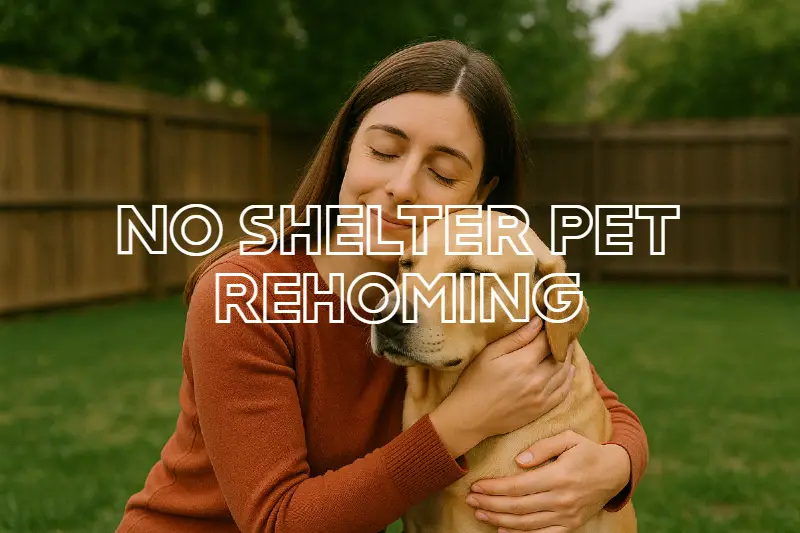
Why No-Shelter Rehoming Might Be the Future of Animal Welfare
Introduction
In New Zealand, more and more people are choosing to rehome pets without using traditional animal shelters. This approach—known as no-shelter pet rehoming—allows pet owners to find new homes for their animals directly, often using online platforms or local community networks.
There are many reasons behind this shift. Some shelters are full and can’t take in more animals. Others prefer to focus on emergency cases. At the same time, pet owners often want to choose who adopts their pet, to make sure it’s the right fit.
Thanks to websites and social media, it’s now easier than ever to connect with people looking to adopt. No-shelter rehoming can reduce stress for pets and give owners peace of mind, knowing their animals are going to safe, loving homes.
In this article, we’ll explore why no-shelter rehoming is growing in New Zealand, the benefits and challenges it brings, and what it could mean for the future of animal welfare.
Table of Contents
What Is No-Shelter Rehoming?
Understanding Home-to-Home Pet Rehoming means finding a new home for a pet without using a shelter, rescue centre, or animal control service. Instead, the current owner connects directly with someone who wants to adopt the pet.
This kind of rehoming often happens online—through websites, community forums, or social media. Some people also spread the word through friends, family, or local notice boards.
How It Works
- The current owner creates a profile for the pet, with photos and a description.
- Interested adopters can ask questions and arrange to meet the pet.
- Once the right match is found, the pet goes directly to their new home—no shelter involved.
Why People Choose It
- Less stress for pets – Animals stay in a home environment instead of a noisy, unfamiliar shelter.
- More control for owners – They can meet potential adopters and choose the best one.
- Faster process – Some adoptions happen within days, rather than waiting weeks for shelter space.
No-shelter rehoming is especially useful when shelters are full, or when owners want a smooth, personal transition for their pet.
The Role of Technology and Online Platforms
Technology has made it easier than ever for people to rehome pets directly. In the past, finding a new home for a pet without a shelter often meant putting up posters or asking around. Now, websites and social media allow owners to reach thousands of potential adopters quickly and safely.
Key Platforms in New Zealand
- Pet Rescue New Zealand:
A free website where people can list pets for adoption or find a pet to adopt. Listings include details about the pet’s age, breed, health, and personality. - Friends with Tales:
A platform that supports private rehoming and gives advice to help owners and adopters make informed decisions. - Facebook Groups:
Local groups like “Rehome and Rescue New Zealand” allow people to post pets that need homes and connect directly with interested adopters.
How These Tools Help
- Reach More People: Online listings and social posts are seen by a wider audience than local advertising alone.
- Faster Matches: Many pets find homes within days of being listed.
- Transparency: Owners can share detailed information and photos, helping adopters understand the pet before meeting them.
- Direct Contact: Owners and adopters can talk directly, ask questions, and arrange a meet-up.
Thanks to these digital tools, no-shelter rehoming has become more practical, accessible, and effective for pet owners across New Zealand.
Benefits of No-Shelter Rehoming
No-shelter dog rehoming offers several benefits—not just for pets, but also for owners, adopters, and the wider community. It’s a practical, caring way to help animals find new homes without adding pressure to already full shelters.
1. Less Stress for Pets
Shelters can be noisy and overwhelming. Many animals feel anxious when placed in a new, crowded environment. With no-shelter pet rehoming, pets stay in familiar surroundings until they move directly into their new home, making the transition smoother and less stressful.
2. More Control for Pet Owners
Owners often know their pets best. With no-shelter rehoming, they can speak directly to potential adopters, ask questions, and decide who is the best fit. This helps ensure their pet will be safe, happy, and well cared for.
3. Better Matches
Direct communication means adopters can learn about a pet’s personality, habits, and needs before adopting. This often leads to better, longer-lasting matches.
4. Faster Rehoming
Because there’s no waiting list or approval process from a shelter, pets are often adopted more quickly. Some find homes within just a few days of being listed online.
5. Helps Shelters Focus on Urgent Cases
When more people rehome pets privately, shelters can focus their resources on animals that are lost, abused, or in danger—those who truly have no other options.
6. Builds Community Involvement
No-shelter cat rehoming encourages people to take an active role in helping animals. Whether it’s sharing a listing or adopting a pet in need, communities come together to make a difference.
Challenges and Considerations
While no-shelter pet rehoming offers many benefits, it’s not without its challenges. Rehoming a pet directly requires time, effort, and care to ensure the animal’s safety and well-being. Understanding these issues can help people make smarter, more responsible decisions.
1. Trust and Safety
It can be hard to know who to trust when giving away or adopting a pet online. Owners need to ask the right questions and check that adopters are genuine and capable of caring for the animal long-term.
Tip: Always meet in person and trust your instincts. If something feels off, it’s okay to say no.
2. Lack of Support
Unlike shelters, private rehoming usually doesn’t come with support services like vet checks, behaviour assessments, or trial periods. Owners and adopters must handle everything themselves, including paperwork and health records.
Solution: Be open and honest about the pet’s medical history and behaviour, and ask the same of adopters.
3. Legal Responsibility
Owners must make sure their pet is microchipped (as required by NZ law for dogs) and that ownership is officially transferred. They are also responsible for making sure the pet is desexed, vaccinated, and in good health.
4. Emotional Difficulty
Letting go of a pet can be an emotional experience. Some owners feel guilt or sadness, especially if they’re unsure about the adopter. Taking the time to find a great home can make the process feel more positive.
5. Adopters Might Be Unprepared
Some adopters may not fully understand what it means to take on a pet, especially if it has special needs. Owners should clearly explain the pet’s lifestyle, routines, and any challenges.
The Future of Animal Welfare and Rehoming in New Zealand
As more people turn to no-shelter rehoming, it’s starting to change how we think about pet adoption and animal care in New Zealand. This community-based model could play a bigger role in the future of animal welfare.
1. Working Alongside Shelters
No-shelter rehoming doesn’t need to replace shelters—it can work with them. By handling private rehoming, everyday pet owners can ease the pressure on shelters and allow those organisations to focus on emergency cases, neglected animals, and strays.
Some shelters are even beginning to support private rehoming by offering vet checks, advice, or listing spaces on their websites.
2. Policy and Legal Support
As this trend grows, New Zealand may need updated policies that support safe, responsible private rehoming. This could include:
- Better public awareness about legal requirements (e.g. microchipping, desexing).
- Guidelines or toolkits for owners rehoming pets privately.
- Protection for pets to ensure they are not given to unsuitable homes.
3. Community Education
For no-shelter rehoming to work well, pet owners and adopters need good information. Schools, vets, councils, and websites can all help teach people about responsible pet ownership and ethical rehoming.
Simple actions like promoting adoption over buying, encouraging desexing, and teaching kindness toward animals can create long-term change.
4. Technology’s Growing Role
We can expect even more digital tools to make rehoming easier. Apps, smart forms, and national databases could allow owners and adopters to connect faster and with more confidence.
As more Kiwis turn online to rehome or adopt, we’ll likely see growth in platforms dedicated to safe, easy, and ethical pet adoption.
Conclusion
No-shelter rehoming is changing the way New Zealanders help pets find new homes. By allowing owners to connect directly with adopters, this approach reduces stress for animals, gives families more control, and helps shelters focus on animals most in need.
Thanks to technology, trusted websites, and community support, rehoming without a shelter has become a practical and compassionate option. But it also comes with responsibility. Pet owners must take care to find the right homes, follow legal requirements, and be honest about their pet’s needs.
As this trend grows, we have an opportunity to rethink how we approach animal welfare in Aotearoa. Whether you’re a pet owner needing help or someone ready to adopt, being informed and involved makes all the difference.
Let’s continue to build a caring, connected community—one where every pet can find a safe, loving home, even without a shelter.
❓Frequently Asked Questions (FAQ)
1. What is no-shelter pet rehoming?
No-shelter rehoming is when a pet is adopted directly from its current owner, without going through a traditional shelter or rescue organisation. It often happens through online platforms or community networks.
2. Is no-shelter rehoming legal in New Zealand?
Yes, it is legal. However, pet owners must follow local laws, such as microchipping dogs, registering them with the council, and ensuring the pet’s welfare is protected during the process.
3. Why would someone rehome a pet without using a shelter?
Some owners prefer to rehome directly so they can choose the new family themselves. It’s often faster and less stressful for the pet. It also helps reduce the load on animal shelters.
4. Where can I list my pet for rehoming in NZ?
You can list your pet on trusted websites like Pet Rescue New Zealand, Friends with Tales, or local Facebook groups like “Rehome and Rescue New Zealand.”
5. Compassionate Ways to Surrender Your Dog in NZ Safely?
To ensure your pet finds a good home, thoroughly vet potential adopters. Ask detailed questions about their living situation, previous pet experience, and lifestyle. Arrange a meet-and-greet, and consider a home visit. Be honest about your pet’s needs and personality to find the best match. You might also ask for references.
6. What if I adopt a pet and it doesn’t work out?
If an adoption doesn’t work out, it’s best to contact the original owner first to see if they can take the pet back or help rehome it again. If that’s not possible, look into local rescue groups or shelters. Avoid rehoming the pet multiple times in a short period, as this can be stressful for the animal.
7. Is no-shelter rehoming safe?
Yes, but it requires careful attention from the owner. By taking precautions like meeting in public places, asking detailed questions, checking references, and ensuring all legal requirements (like microchipping and council registration for dogs) are met, owners can safely rehome their pets.
Pet CV Templates for Rentals can sometimes help in finding suitable homes for pets, as they provide a comprehensive overview of the pet’s history and behavior, making it easier for potential adopters to make an informed decision.