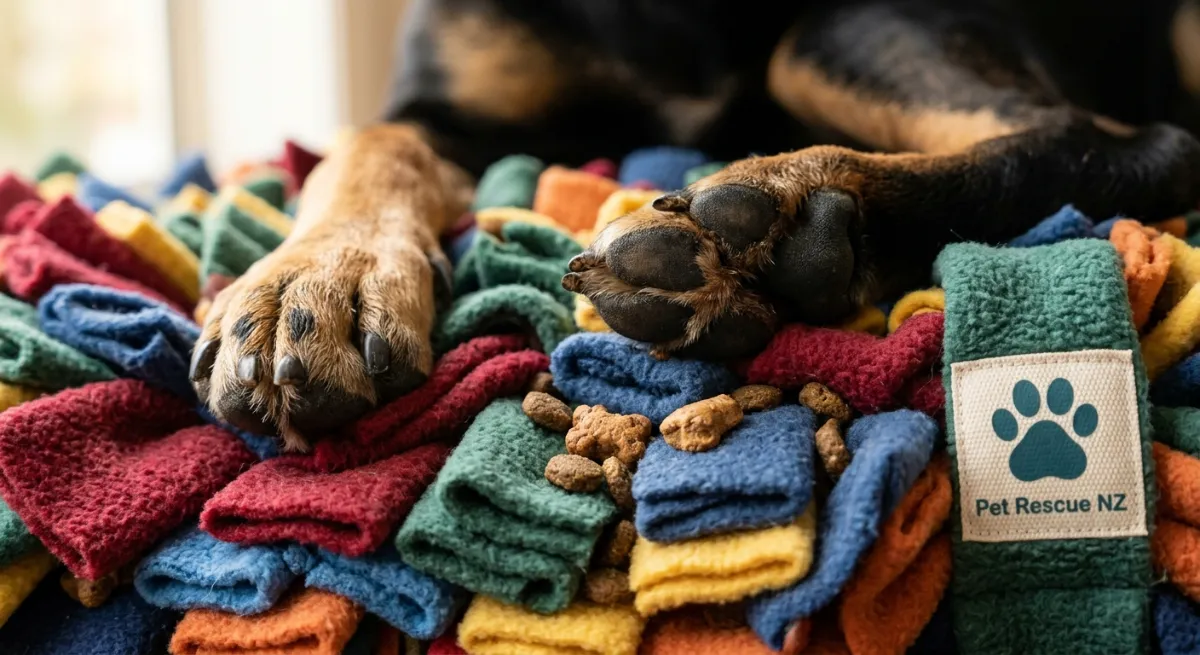
Introduction to Training Tips for Better Behaviour
Training your pet is one of the most rewarding experiences you can have as a pet owner. Not only does it enhance your bond, but it also sets the foundation for a happy and harmonious life together. Understanding the importance of training tips for better behaviour can transform both your pet’s life and your own, leading to a more peaceful home environment.
Pets, much like humans, need guidance to navigate their surroundings. Training helps address common behavioural issues, fosters good habits, and encourages socialisation. In New Zealand, where responsible pet ownership is crucial, focusing on effective training can prevent problems down the line and ensure your furry friend is a well-adjusted member of the community.
Understanding Pet Behaviour and Training Basics
Before diving into training, it’s essential to understand your pet’s behaviour. Each pet has its unique personality, and what works for one may not work for another. Here are some foundational concepts to consider:
- Communication: Pets communicate through body language, vocalisations, and behaviour. Learning to interpret these signals will help you understand their needs.
- Consistency: Pets thrive on routine. Establishing a consistent training schedule helps them learn more effectively.
- Patience: Behaviour change takes time. Be patient with your pet and celebrate small victories along the way.
The Benefits of Training for Pets and Owners
Investing time in training brings numerous benefits for both you and your pet. Here are some key advantages:
- Enhanced Safety: Training helps your pet respond to commands, ensuring their safety in various situations.
- Improved Behaviour: Many behavioural issues, such as excessive barking or jumping, can be addressed through proper training.
- Stronger Bond: Training sessions can deepen your relationship, fostering trust and understanding between you and your pet.
- Socialisation Skills: Training often involves exposing your pet to new experiences, helping them become well-adjusted in different environments.
Common Behavioural Issues in Pets
Recognising and addressing behavioural issues early is crucial. Some common problems faced by pet owners in New Zealand include:
- Aggression: This can stem from fear or territorial behaviour and needs to be managed carefully.
- Separation Anxiety: Pets may exhibit destructive behaviour when left alone if they struggle with being separated from their owners.
- Excessive Barking: This can be a sign of boredom, anxiety, or a need for attention.
- House Training Issues: Many new pet owners face challenges with house training, which can be resolved through consistent training practices.
To learn more about responsible pet ownership and rehoming, visit our responsible rehoming guide.
By understanding these issues and employing effective training tips better behaviour, you’ll be well on your way to creating a positive environment for your pet. Remember, every step you take in training not only improves your pet’s behaviour but also enriches your shared life together.
Assessing Your Pet’s Behaviour
Understanding your pet’s behaviour is the first step in applying effective training tips for better behaviour. Before you can implement any training techniques, it’s essential to assess the current state of your pet’s behaviour and identify any underlying issues. This process is not only about addressing problems but also about understanding your pet’s needs and goals for improvement.
Recognising Signs of Behavioural Problems
Being aware of your pet’s behaviour is key to spotting issues early. Some common signs that may indicate your pet is struggling with behavioural problems include:
- Excessive barking or whining
- Destructive chewing or scratching
- Aggression towards people or other animals
- Fearful reactions to common stimuli, like loud noises or strangers
- Inappropriate elimination inside the house
If you notice any of these signs, it’s essential to take a closer look at your pet’s behaviour and consider what might be causing it.
Observing Triggers and Patterns
Once you’ve recognised potential behavioural problems, the next step is to observe your pet closely. Look for patterns and triggers that may contribute to their behaviour. Ask yourself:
- When does the behaviour occur? (e.g., during specific times of day or in certain environments)
- What situations provoke the behaviour? (e.g., encountering other dogs, being left alone)
- Are there any changes in your pet’s life that coincide with the behaviour? (e.g., moving to a new home, changes in routine)
Keeping a journal or log of your observations can be helpful in identifying these patterns and understanding your pet’s needs.
Setting Realistic Goals for Behaviour Improvement
After assessing your pet’s behaviour, it’s important to set realistic and achievable goals for improvement. Here are some tips to keep in mind:
- Start Small: Focus on one behaviour at a time to avoid overwhelming your pet and yourself.
- Be Specific: Define clear objectives. For example, instead of aiming to “stop barking,” aim to “reduce barking during doorbell rings.”
- Monitor Progress: Keep track of improvements and setbacks to adjust your training approach as needed.
Remember, changes in behaviour take time. Be patient and celebrate small victories along the way to keep yourself and your pet motivated.
For more insights on responsible pet ownership, check out our responsible rehoming guide.
By thoroughly assessing your pet’s behaviour and setting realistic goals, you will be better equipped to implement effective training tips better behaviour. This process not only improves your pet’s behaviour but also strengthens the bond you share, leading to a happier, healthier life together.
Basic Training Techniques for Better Behaviour
Effective training is the cornerstone of achieving better behaviour in your pets. By employing foundational techniques, you can create a positive learning environment that fosters trust and cooperation. Here are some essential training tips for better behaviour that every pet owner in New Zealand should consider.
Positive Reinforcement Methods
Positive reinforcement is a powerful training technique that encourages desired behaviours by rewarding your pet when they exhibit them. This method is effective because it builds a positive association with the behaviour you want to promote. Here’s how to implement it:
- Identify Rewards: Find what motivates your pet, whether it’s treats, praise, or playtime.
- Timing is Key: Reward your pet immediately after they display the desired behaviour for clear association.
- Be Consistent: Use the same commands and rewards to avoid confusing your pet.
For example, if you’re teaching your dog to sit, say the command clearly, and as soon as they do, offer a treat. Repeat this consistently to reinforce the behaviour.
Clicker Training Explained
Clicker training is a specific form of positive reinforcement that uses a clicker sound to mark the desired behaviour, followed by a reward. This technique can greatly enhance your training sessions. Here’s a simple guide to get started:
- Purchase a Clicker: These are inexpensive and can be found at pet stores or online.
- Introduce the Clicker: Start by clicking the device and rewarding your pet to create a positive association with the sound.
- Use the Clicker During Training: Click at the moment your pet performs the desired action, then follow up with a reward.
Clicker training is particularly effective for teaching tricks or commands, as it provides clear communication about what you expect from your pet.
Consistency and Routine in Training
Creating a structured environment is essential for effective training. Pets thrive on routine, so establishing a consistent training schedule can significantly improve their behaviour. Here’s how to ensure consistency:
- Set a Training Schedule: Dedicate specific times each day for training sessions to create a habit.
- Keep Sessions Short: Aim for 5–10 minute sessions to maintain your pet’s focus and enthusiasm.
- Stay Calm and Positive: Your attitude influences your pet’s response. Stay patient and encouraging throughout the process.
By adhering to a routine, you not only help your pet learn more effectively but also strengthen your bond with them.
For additional support in your training journey, see our resources hub for helpful guides and tips.
Incorporating these basic training techniques into your routine will pave the way for better behaviour in your pets. Remember that training is a journey, not a destination. Every step you take—whether through positive reinforcement, clicker training, or consistent routines—plays a significant role in building a well-behaved and happy pet.
Advanced Training Strategies for Specific Issues
As pet owners, we often encounter specific behavioural challenges that require more advanced training strategies. These issues can stem from various factors, such as fear, anxiety, or lack of socialisation. In this section, we will explore effective training tips for better behaviour aimed at addressing common problems like aggression, separation anxiety, and excessive barking or destruction.
Dealing with Aggression and Fearfulness
Aggressive behaviour in pets can be concerning and may arise from fear, territorial instincts, or past trauma. Addressing aggression requires a careful approach:
- Identify the Triggers: Observe what situations provoke aggressive responses (e.g., specific people, animals, or noises).
- Use Desensitisation Techniques: Gradually expose your pet to their triggers at a safe distance, rewarding calm behaviour.
- Provide Safe Spaces: Ensure your pet has a quiet, safe area to retreat to when they feel overwhelmed.
Consulting a professional trainer or behaviourist can also be beneficial in devising a tailored plan for managing aggression.
Overcoming Separation Anxiety
Separation anxiety is a common issue, especially in pets that have experienced significant changes or trauma. Here are some practical strategies:
- Gradual Departures: Practice leaving your pet alone for short periods, gradually increasing the time to help them adjust.
- Provide Distractions: Leave interactive toys or puzzle feeders to keep your pet occupied while you’re away.
- Establish a Routine: Consistent schedules can help your pet feel more secure and reduce anxiety.
If separation anxiety persists, consider seeking professional guidance to develop a comprehensive behaviour modification plan.
Addressing Excessive Barking or Destruction
Excessive barking or destructive behaviour can be frustrating, but understanding the underlying reasons is crucial. Here are some effective training tips better behaviour:
- Identify the Cause: Excessive barking may result from boredom, anxiety, or attention-seeking behaviour. Observe when and why it happens.
- Increase Exercise and Mental Stimulation: Ensure your pet receives adequate physical activity and mental challenges to expend excess energy.
- Teach Alternative Behaviours: Train your pet to engage in a different behaviour when they feel the urge to bark or chew destructively.
Incorporating more structured playtime and training can significantly reduce these behaviours over time.
For more insights into addressing behaviour issues, consider exploring our resources hub for expert advice and tips.
By applying these advanced training strategies, you can effectively tackle specific behavioural issues in your pets. Remember, patience and consistency are key in creating lasting behavioural changes. With the right approach and support, you can help your furry friend become the well-adjusted companion you desire.
Socialisation: Key to Better Behaviour
Socialisation is a crucial aspect of pet training that significantly influences their behaviour. Proper socialisation helps your pet develop confidence, reduces fearfulness, and prevents behavioural issues later in life. By exposing them to various environments, people, and other animals, you can set the stage for better behaviour throughout their life. Here are some effective training tips for better behaviour focused on socialisation.
What is Socialisation and Why It Matters
Socialisation involves introducing your pet to new experiences and environments in a positive manner. This process is essential for several reasons:
- Confidence Building: Regular exposure to different sights, sounds, and people boosts your pet’s confidence, making them less anxious or fearful in new situations.
- Behaviour Prevention: Early socialisation can prevent behavioural problems such as aggression or excessive barking that may arise from fear or anxiety.
- Improved Interactions: A well-socialised pet tends to be more comfortable around other animals and people, leading to better interactions and relationships.
Tips for Socialising Your Puppy or Kitten
For puppies and kittens, the socialisation window is critical. Here are some practical tips to ensure effective socialisation:
- Start Early: Begin socialisation as soon as you bring your new pet home, ideally before 16 weeks of age for puppies. Kittens can also benefit greatly from early exposure.
- Expose to Various Environments: Take your pet on walks, visit parks, and expose them to different surfaces (grass, concrete, etc.) to help them adapt to various environments.
- Introduce New People and Pets: Arrange safe, controlled introductions to different people and friendly pets to help your pet learn appropriate social skills.
Socialisation for Older Pets: Challenges and Strategies
Socialisation can be more challenging for older pets, especially if they have not been adequately exposed to various stimuli. Here are some strategies to help:
- Take It Slow: Gradually introduce your older pet to new experiences, allowing them to adjust at their own pace to avoid overwhelming them.
- Use Positive Reinforcement: Reward your pet with treats and praise for calm behaviour in new situations to create positive associations.
- Seek Professional Help: If your pet shows signs of fear or aggression, consider consulting a professional trainer or behaviourist for tailored advice.
For stories of successful rehoming and socialisation, check out our Happy Tails Rehoming Stories.
By prioritising socialisation as part of your training routine, you can significantly enhance your pet’s behaviour and overall well-being. Remember that every positive interaction contributes to a more confident, well-adjusted companion who thrives in various environments. Your efforts will pay off with a happier, healthier pet and a more enjoyable life together.
Training Tips for Specific Breeds
When it comes to training your pet, understanding their breed tendencies and behaviours can make a significant difference. Different breeds have unique characteristics that can influence how they respond to training. In this section, we’ll explore effective training tips for better behaviour tailored to specific breeds, helping you navigate the challenges and strengths that come with each type of pet.
Understanding Breed Tendencies and Behaviours
Each breed has its own set of traits that can affect their training and behaviour. Some breeds are naturally more inclined to be obedient and eager to please, while others may be more independent or stubborn. Here are a few examples:
- Working Breeds: Breeds like Border Collies and German Shepherds are intelligent and energetic, requiring mental and physical stimulation to thrive. Training should incorporate challenging tasks and activities.
- Hound Breeds: Hounds such as Beagles may have a strong prey drive and can be easily distracted by scents. Consistent training and positive reinforcement are essential to keep their focus.
- Toy Breeds: Smaller breeds like Chihuahuas may exhibit more vocal behaviour. Training should focus on managing their bark and encouraging calmness in various situations.
Tailoring Training to Breed Characteristics
To achieve better behaviour, it’s important to tailor your training techniques to fit your pet’s breed characteristics. Here are some practical tips:
- Utilise Their Strengths: Leverage your pet’s natural abilities. For example, use a working breed’s intelligence for advanced obedience or agility training.
- Be Aware of Limitations: Recognise the challenges specific to your breed. For instance, if you have a stubborn breed, patience and consistency will be crucial.
- Incorporate Fun Activities: Make training engaging by including play and interactive games that align with your pet’s interests, ensuring they remain motivated and eager to learn.
Common Breed-Specific Challenges
While every pet is unique, certain breeds can present specific challenges during training. Here are some common issues and how to address them:
- High Energy Levels: Breeds like Jack Russell Terriers require extensive exercise. Incorporate regular physical activity into your training to prevent boredom and destructive behaviour.
- Stubbornness: Breeds like Bulldogs may resist commands. Use positive reinforcement and short, engaging training sessions to maintain their interest.
- Fearfulness: Some breeds, such as Toy breeds, may be more prone to anxiety. Use gentle, positive methods and gradual exposure to new experiences to build their confidence.
For insights into responsible pet ownership and rehoming, see our responsible rehoming guide.
By understanding your pet’s breed tendencies and applying tailored training techniques, you can effectively address their unique needs. Remember that consistent, positive training not only helps improve behaviour but also strengthens the bond between you and your pet. With patience and dedication, your training efforts will lead to a happy and well-behaved companion.
The Role of Environment in Behaviour
The environment in which your pet lives plays a crucial role in shaping their behaviour. A well-structured, stimulating, and safe environment can lead to better behaviour, while a chaotic or uninspiring setting can contribute to behavioural issues. Here are some effective training tips for better behaviour focused on optimising your pet’s environment.
Creating a Pet-Friendly Home Environment
To foster good behaviour, it’s essential to create a home that meets your pet’s needs. Here are some key considerations:
- Safe Spaces: Designate a quiet area where your pet can retreat to feel safe and relaxed. This could include a comfortable bed in a low-traffic zone.
- Accessible Resources: Ensure your pet has easy access to food, water, toys, and a designated bathroom area to prevent frustration.
- Appropriate Stimulation: Provide a variety of toys and activities to keep your pet mentally and physically engaged. Rotate toys regularly to maintain their interest.
Importance of Exercise and Mental Stimulation
Regular exercise and mental challenges are vital for your pet’s well-being. A lack of physical activity can lead to boredom and behavioural problems. Consider these tips:
- Daily Walks: Take your dog for daily walks or runs to expend energy and explore their environment. This also helps with socialisation and improves behaviour.
- Interactive Games: Engage your pet in games that challenge their mind, such as hide-and-seek or puzzle toys that dispense treats.
- Training Sessions: Incorporate short training sessions into your daily routine. Teaching new commands or tricks can provide mental stimulation and strengthen your bond.
Managing Distractions and Triggers at Home
Many pets can become easily distracted or anxious due to environmental triggers. Here are some strategies to help manage these distractions:
- Identify Triggers: Observe your pet’s behaviour to determine what specific sounds or sights cause anxiety or excitement. This could include loud noises, other pets, or even certain people.
- Limit Exposure: When possible, reduce your pet’s exposure to identified triggers, especially during training sessions.
- Use Calming Aids: Consider using calming products, such as pheromone diffusers or anxiety wraps, to help your pet feel more secure in a stimulating environment.
For further support in creating a positive environment for your pet, explore our resources hub for helpful guides and tips.
By thoughtfully considering your pet’s environment and making necessary adjustments, you can significantly enhance their behaviour. A safe, stimulating home not only supports training but also enriches your pet’s overall quality of life. Remember, a happy pet leads to a happy owner, and your efforts in creating a positive space will pay off with a well-behaved companion.
Working with Professional Trainers
Sometimes, even the best pet owners can find themselves facing challenges that require expert assistance. Knowing when to seek help from a professional trainer can make a significant difference in your pet’s behaviour. Here are some important training tips for better behaviour focused on working with professional trainers.
Signs That You Need a Professional Trainer
Before reaching out for help, it’s essential to identify the signs that indicate your pet may benefit from professional training. Look out for the following:
- Persistent Behaviour Issues: If your pet continues to exhibit behavioural problems despite your best efforts, it may be time to consult a professional.
- Severe Aggression or Fear: If your pet displays aggressive behaviour towards people or other animals, professional guidance is crucial for safety and effective training.
- Difficulty in Socialisation: Struggling to safely introduce your pet to new environments, people, or other animals can be a sign that expert help is needed.
- Owner Frustration: If you feel overwhelmed or frustrated, a trainer can offer support and strategies tailored to your needs.
How to Find a Qualified Trainer in NZ
Finding the right trainer is vital for your pet’s success. Here are some practical tips to help you choose a qualified professional:
- Research Credentials: Look for trainers who are certified through recognised organisations, such as the SPCA or the Association of Pet Dog Trainers NZ.
- Check Reviews and References: Read reviews and ask for references from other pet owners to gauge the trainer’s effectiveness and approach.
- Visit Group Classes: Attend a class as an observer to see how the trainer interacts with pets and their owners. This can provide insight into their methods and atmosphere.
- Discuss Training Philosophy: Ensure the trainer’s methods align with your values, particularly regarding positive reinforcement and humane training techniques.
Questions to Ask Before Hiring a Trainer
When considering a trainer, asking the right questions can help you make an informed decision. Here are some important questions to consider:
- What training methods do you use? Inquire about their approach to training and whether it focuses on positive reinforcement.
- What experience do you have with my pet’s breed or specific issues? A trainer with experience in your pet’s breed or behavioural challenges is likely to be more effective.
- Can you provide examples of successful cases? Ask for success stories or examples of how they’ve helped other pets with similar issues.
- What is the expected duration of training? Understanding the timeline can help set realistic expectations for progress.
For additional insights into responsible pet ownership, refer to our responsible rehoming guide.
Working with a professional trainer can provide the guidance and support necessary to address your pet’s behavioural challenges effectively. By recognising when to seek help, finding a qualified trainer, and asking the right questions, you can set your pet on a path to better behaviour and a happier life together.
Maintaining Behavioural Progress Over Time
Training your pet is an ongoing journey, and maintaining the behavioural progress you’ve achieved is just as important as the initial training itself. Consistent reinforcement and engagement are key to ensuring that your pet continues to exhibit good behaviour. Here are some effective training tips for better behaviour that focus on sustaining the positive changes you’ve made.
Reinforcement Strategies for Ongoing Training
To keep your pet’s behaviour on track, it’s essential to incorporate reinforcement strategies into your routine. Here are some ideas:
- Regular Rewards: Continue to reward your pet for good behaviour, even after they’ve mastered a command. This keeps the behaviour fresh in their minds.
- Vary the Rewards: Mix up the rewards you use—sometimes treats, other times praise or playtime. This helps keep your pet motivated and engaged.
- Random Reinforcement: Occasionally reward your pet for good behaviour at unexpected times, which can strengthen their understanding of what behaviours you appreciate.
Keeping Training Sessions Engaging and Fun
Training doesn’t have to be a chore for you or your pet. Keeping sessions enjoyable helps maintain your pet’s interest and enthusiasm. Here are some tips to make training fun:
- Incorporate Games: Use games like fetch or hide-and-seek as part of your training. This encourages your pet to learn while having fun.
- Short Sessions: Keep training sessions brief but frequent. Aim for 5–10 minutes a few times a day to maintain focus and prevent boredom.
- Mix It Up: Change the focus of your training sessions regularly—introduce new commands, tricks, or skills to keep things fresh.
Monitoring Behaviour for Future Adjustments
Even after achieving improved behaviour, it’s essential to monitor your pet’s actions to identify any regressions or new issues. Here’s how to keep an eye on their behaviour:
- Regular Check-Ins: Set aside time each week to observe your pet’s behaviour. Note any changes or signs of stress that may indicate a need for adjustments to your training.
- Keep a Behaviour Log: Document your pet’s behaviour in different situations to identify patterns or triggers that may require further training.
- Be Proactive: If you notice a decline in behaviour, revisit training strategies or consult a professional trainer for advice on how to address the situation.
For more resources and support in your training journey, visit our resources hub for helpful guides and tips.
Maintaining behavioural progress takes commitment and ongoing effort, but the rewards are well worth it. By reinforcing positive behaviours, keeping training fun and engaging, and monitoring your pet’s behaviour, you create a nurturing environment that fosters lasting improvements. Remember, the bond you share with your pet grows stronger through consistent and enjoyable training experiences.
Resources for Further Training and Support
As a dedicated pet owner, you know that training is not just a one-time event but a continuous journey. To help you along this path, we’ve compiled a list of valuable resources that can provide additional support and guidance. These resources can assist you in expanding your knowledge, finding local training opportunities, and connecting with fellow pet owners in New Zealand.
Recommended Books, Websites, and Online Courses
There is a wealth of information available for pet owners looking to improve their pets’ behaviour and training. Here are some recommended resources:
- Books: Consider reading titles like The Power of Positive Dog Training by Pat Miller or Don’t Shoot the Dog! by Karen Pryor. These books provide insightful techniques focused on positive reinforcement.
- Websites: Websites like SPCA New Zealand and Association of Pet Dog Trainers NZ offer a variety of articles and resources on training and behaviour.
- Online Courses: Platforms such as Udemy and Coursera offer accessible online courses on pet training and behaviour.
Local NZ Training Workshops and Classes
Participating in local training workshops and classes is an excellent way to gain hands-on experience and connect with other pet owners. Here’s how to find training opportunities in your area:
- Check Community Centres: Many community centres and local councils offer dog training classes. Look for those that focus on positive reinforcement methods.
- Visit Pet Stores: Local pet stores often host training seminars or can recommend trainers in your area.
- Explore Online Listings: Websites like Pet Rescue New Zealand may have listings for upcoming events or workshops focused on pet training.
Support Groups for Pet Owners
Connecting with other pet owners can provide emotional support and shared experiences. Here are some ways to find or create support groups:
- Online Forums: Join online forums or social media groups focused on pet ownership, where you can share experiences and seek advice.
- Local Meetups: Look for local pet owner meetups through platforms like Meetup.com. These gatherings can foster community and provide a sense of belonging.
- Community Events: Attend community pet events or fairs where you can meet other pet owners and exchange training tips and experiences.
For more helpful resources and support in your training journey, visit our resources hub.
By utilising these resources and connecting with other pet owners, you can enhance your training journey and ensure that you have the support needed to continue improving your pet’s behaviour. Remember, you’re not alone in this journey—there’s a community out there ready to help you and your furry friend thrive.
FAQs
What should I do if I need to urgently rehome my pet?
If you find yourself in a situation where you need to rehome your pet quickly, it’s important to act thoughtfully. Start by reaching out to local shelters or rescue organizations. You can also create a listing to help find a new home for your pet. For more information on how to create a listing, visit Create a Free Pet Listing. Remember, taking the time to find the right home is essential for your pet’s well-being.
Are there free or low-cost options for rehoming my pet?
Yes, there are several free or low-cost options available for rehoming your pet in New Zealand. Many local rescue organizations offer assistance with rehoming at little to no cost. You can also consider using online platforms to reach potential adopters. For more details on pricing and options, you can check out Rehome Pets – Pricing & Options.
How can I ensure my pet is safe during the rehoming process?
Safety is a primary concern when rehoming a pet. To ensure your pet’s safety, screen potential adopters carefully and arrange meet-and-greets in neutral locations. Always trust your instincts and be cautious about where you place your pet. For detailed guidance on responsible rehoming, refer to our Responsible Pet Rehoming Guide.
What should I include in my pet listing?
Your pet listing should include essential information such as your pet’s temperament, any special needs, and their vet records. Additionally, mentioning if your pet is microchipped can make a significant difference in finding the right home. Being transparent about your pet’s personality will help potential adopters understand if they are a good fit.
What happens during a meet-and-greet?
A meet-and-greet is a great opportunity for both your pet and potential adopters to get to know each other. Ensure that the environment is calm and safe, allowing your pet to feel comfortable. Observe how your pet interacts with the adopter and discuss any questions or concerns openly. This step is crucial to ensuring a successful adoption.
What is an adoption agreement, and why is it important?
An adoption agreement is a formal document that outlines the responsibilities of the new pet owner. It’s important because it ensures that the new owner understands their commitment to caring for the pet and provides a framework for communication regarding the pet’s welfare. Having this agreement can help ease worries about your pet’s future after rehoming.
What aftercare tips should I follow once my pet is rehomed?
After rehoming your pet, it’s essential to stay in touch with the new owner, especially in the initial days. This can help reassure you and provide the new owner with support as they adjust to having your pet. Encourage them to reach out if they have questions or concerns. Additionally, sharing your pet’s routine and preferences can greatly assist in their transition to a new home.