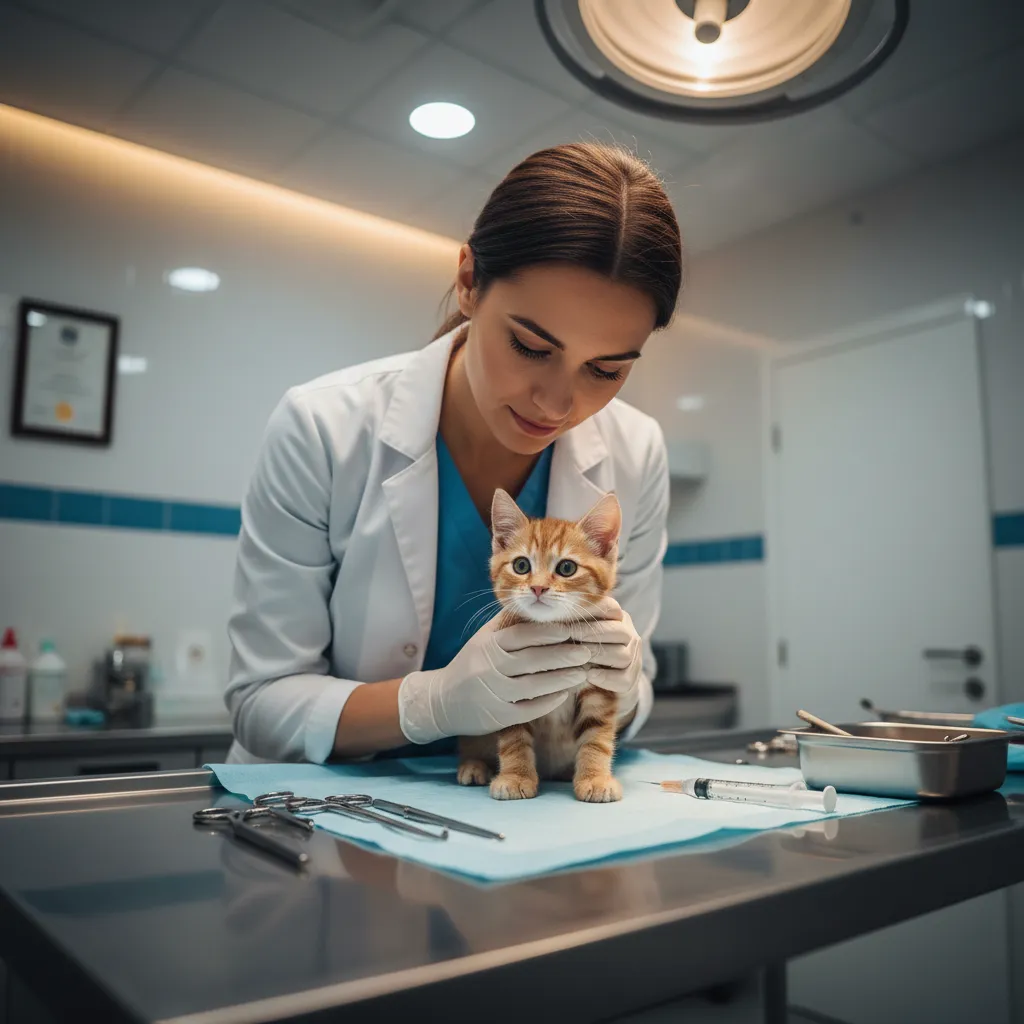
Desexing Kittens: Regulations & Vouchers
Free desexing cats NZ refers to subsidized veterinary programs, primarily the SPCA’s “Snip ‘n’ Chip” campaigns, designed to curb stray populations. While year-round zero-cost services are limited, these targeted voucher releases and discounts for Community Services Card holders allow owners to desex and microchip their pets for a nominal fee or entirely for free.
The Critical Importance of Desexing for Population Control
New Zealand faces a unique ecological challenge. As a nation striving to become predator-free by 2050, the management of cat populations is a matter of national conservation as well as animal welfare. Desexing your kitten is not merely a personal choice; it is a civic responsibility that impacts the biodiversity of the entire country.
The reproductive rate of felines is staggering. A single unspayed female cat, her mate, and all their offspring, producing two litters per year, can theoretically result in over 11,000 cats in just five years. In New Zealand, where the climate is temperate and favorable for survival, stray colonies can grow exponentially, putting immense pressure on native birdlife and lizards.
Beyond population control, desexing offers profound health and behavioral benefits for the animal:
- Cancer Prevention: Spaying females prior to their first heat significantly reduces the risk of mammary cancer and completely eliminates the risk of ovarian and uterine cancers. For males, neutering eliminates the risk of testicular cancer.
- Behavioral Improvements: Desexed cats are less likely to roam, fight, or display territorial aggression. This reduction in fighting lowers the transmission rate of Feline Immunodeficiency Virus (FIV), a common and incurable disease among New Zealand’s stray cat population.
- Home Harmony: Unneutered males are prone to spraying urine to mark territory, a pungent issue that can destroy carpets and furniture. Females in heat will yowl loudly and incessantly to attract mates, causing sleepless nights for owners.
Age Guidelines for Desexing Kittens in New Zealand
Historically, the standard veterinary practice was to wait until a kitten was six months old before performing desexing surgery. However, modern veterinary science and the New Zealand Veterinary Association (NZVA) now advocate for Pre-Pubertal Desexing, often referred to as Early Age Desexing (EAD).
The current consensus suggests that kittens can and should be desexed before they reach sexual maturity. The recommended window is typically between 8 to 16 weeks of age, provided the kitten weighs at least 800g to 1kg and is in good health.
Why Desex So Early?
Cats can reach sexual maturity as early as four months old. Waiting until the traditional six-month mark often results in “oops” litters, where a kitten becomes pregnant before the owner even realizes she is capable of reproducing. Early desexing closes this window of opportunity completely.
From a surgical perspective, the procedure is often faster and less traumatic for younger kittens. They have less body fat, which makes the surgery more straightforward, and their recovery times are remarkably fast. Most kittens are back to playing within hours of waking up from anesthesia.
How to Access SPCA ‘Snip ‘n’ Chip’ Vouchers
For many New Zealanders, the primary barrier to desexing is cost. Veterinary procedures can be expensive, with standard desexing rates ranging from $150 to over $300 depending on the region and the sex of the cat. To combat this, the SPCA (Society for the Prevention of Cruelty to Animals) runs the highly successful Snip ‘n’ Chip programme.
This initiative is not a permanent, year-round fixture in every town. Instead, it operates as a “rolling campaign” that targets specific regions where stray cat populations are booming or where low-income households are prevalent.
Steps to Secure a Voucher
- Monitor Campaign Releases: You must actively check the SPCA New Zealand website or their Facebook page. Campaigns are usually announced for specific regions (e.g., “Snip ‘n’ Chip Whangārei” or “Snip ‘n’ Chip Christchurch”).
- Book Online: When a campaign is active in your area, you can purchase a voucher online. While sometimes these are 100% free, more commonly they are heavily subsidized, costing a nominal fee (often around $10 – $20) which covers both the desexing surgery and microchipping.
- Select a Participating Vet: The voucher is not valid at every vet. You must select from a list of participating clinics partnering with the SPCA for that specific campaign.
- Redemption Window: Vouchers have an expiry date. It is crucial to book the appointment immediately after securing the voucher to ensure you don’t miss out due to clinic capacity.
It is important to note that these vouchers are incredibly popular and often sell out within days of release. If you miss out, do not be discouraged; check for upcoming rounds or alternative assistance options.
Low-Cost Desexing Clinics and Financial Assistance
If a Snip ‘n’ Chip campaign is not currently active in your area, there are other avenues to explore for free or low-cost desexing in New Zealand. Various charitable trusts and community groups work tirelessly to fill the gaps left by standard veterinary pricing.
Community Services Card Discounts
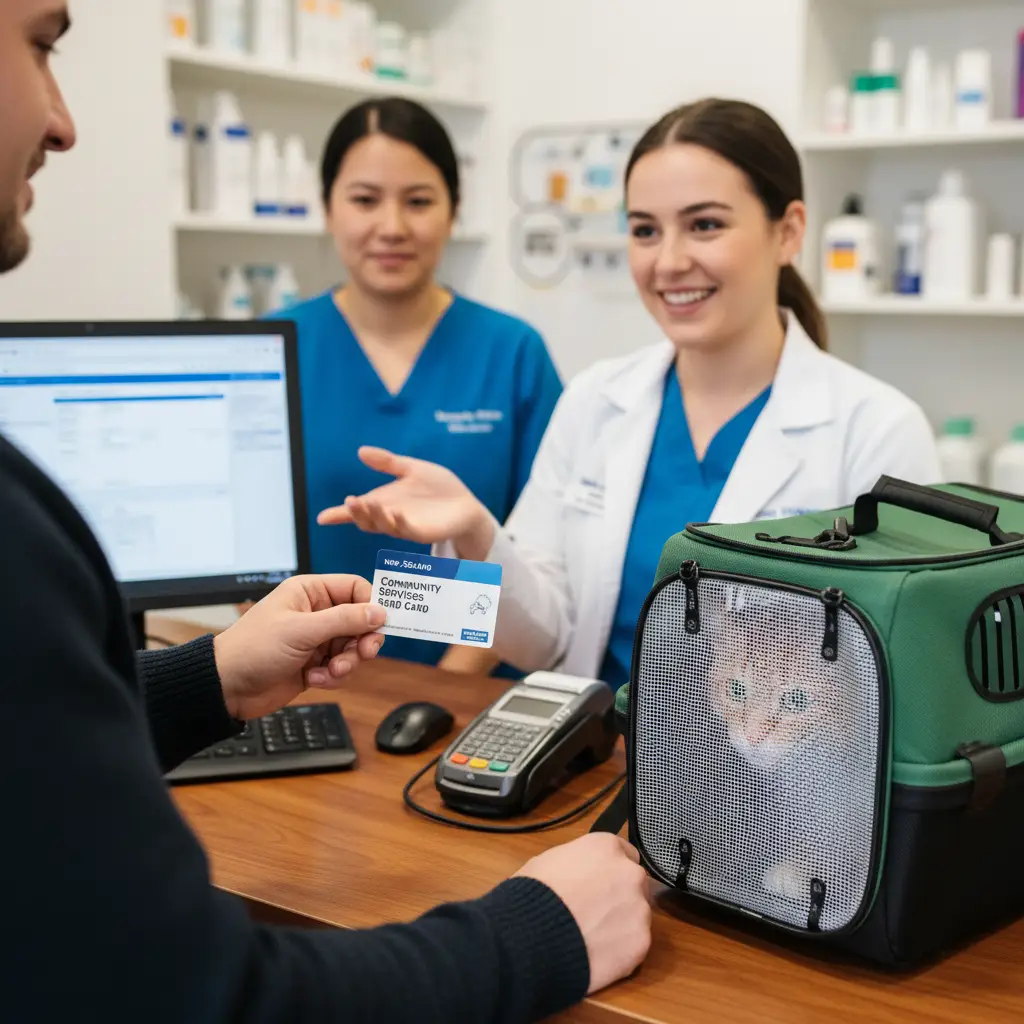
Many private veterinary clinics offer a discount to holders of a Community Services Card (CSC). This discount typically ranges from 10% to 20%. While this does not make the procedure free, it significantly reduces the financial burden. You must present your valid card at the time of payment.
Regional Animal Charities
Beyond the national SPCA, local organizations often have funds specifically allocated for desexing:
- The NZ Cat Foundation: Based in Auckland, this volunteer-run group focuses on trap-neuter-return (TNR) for stray cats but can sometimes assist low-income owners with desexing costs to prevent house cats from adding to the stray population.
- Local Rescue Groups: Organizations like Kitten Inn (Wellington) or Lonely Miaow (Auckland) may have information on subsidized vet days.
- WINZ Advances: If you are on a benefit, you may be able to apply to Work and Income NZ (WINZ) for an advance payment to cover emergency veterinary costs or essential procedures, though this is a loan that must be paid back, not a grant.
Desexing and Tenancy: Advocacy for Pet Owners
In the current New Zealand rental market, finding a pet-friendly home is a significant challenge. This is where the intersection of pet ownership and tenant advocacy becomes crucial. Desexing your cat is one of the strongest tools you have when negotiating with a landlord.
The Landlord’s Perspective
Landlords are often hesitant to allow pets due to fears of property damage and noise disturbances. An unneutered male cat spraying urine on walls causes thousands of dollars in damage that is difficult to repair. A female cat in heat attracts roaming males, leading to fights and noise complaints from neighbors.
By presenting a Pet Resume that proves your cat is desexed and microchipped, you directly address these fears. You are demonstrating that your pet is less likely to cause damage or nuisance. Under the Residential Tenancies Act, landlords can request specific conditions for allowing pets, and proving your animal is responsible and desexed makes you a more attractive tenant.
Advocating for Your Rights
While landlords in NZ cannot charge a “pet bond” (this is illegal), they can include clauses in the tenancy agreement requiring carpets to be professionally cleaned upon exit if pets are allowed. As a tenant advocate, it is vital to understand that responsible ownership—highlighted by desexing—is the pathway to more inclusive rental laws. The more responsible pet owners prove that cats can live in rentals without issue, the more likely property investors are to relax their “no pets” policies. For comprehensive guidance on responsible pet ownership, including Understanding Home-to-Home Pet Rehoming, consider resources that also cover topics like Safe Dog Rehoming in NZ: Make Ethical Choices Today and the Essential Dos and Don’ts for Rehoming Your Dog in NZ.
The Procedure and Post-Operative Care
Understanding what happens during the surgery can alleviate anxiety for pet owners. Desexing is a routine surgery performed under general anesthesia.
The Surgery
- Males (Neutering): A small incision is made in the scrotum, and the testicles are removed. No stitches are usually required for the skin, as the incision is very small and heals quickly.
- Females (Spaying): An incision is made in the abdomen (or sometimes the flank), and the ovaries and uterus are removed. This requires internal and external stitches.

Recovery at Home
Once you bring your kitten home, keep them indoors for at least 7-10 days. The effects of anesthesia can linger for 24 hours, making them groggy and uncoordinated.
Key Care Tips:
- Limit Activity: Try to prevent running and jumping, which can stretch the incision site.
- Check the Wound: Inspect the incision daily for redness, swelling, or discharge. If you see these signs, contact your vet immediately.
- The Cone of Shame: If your kitten licks the wound, they must wear an Elizabethan collar (E-collar) to prevent infection and pulled stitches.
- Pain Management: Your vet will likely provide pain relief medication. Administer this exactly as directed. Never give human painkillers (like Paracetamol or Ibuprofen) to cats, as these are toxic and fatal.
For more detailed information on animal welfare codes and regulations, you can refer to the SPCA New Zealand website, which offers extensive resources on animal care standards.
Frequently Asked Questions (PAA)
Is desexing cats free in NZ?
Desexing is not universally free in NZ, but the SPCA runs ‘Snip ‘n’ Chip’ campaigns offering desexing for a very low cost or for free in targeted areas. Additionally, low-income earners may access discounts via Community Services Cards.
How much does it cost to get a cat desexed in NZ?
Without vouchers, the cost typically ranges from $100 to $200 for male cats and $150 to $350 for female cats. Prices vary significantly between clinics and regions.
What is the best age to desex a kitten?
Veterinarians in New Zealand recommend desexing kittens between 8 and 16 weeks of age (Pre-Pubertal Desexing), provided they weigh at least 800g.
Does WINZ pay for cat desexing?
WINZ does not offer grants for pets, but you may be eligible for a recoverable assistance payment (an advance on your benefit) for emergency veterinary costs, which you must pay back.
Is Snip ‘n’ Chip available everywhere?
No, Snip ‘n’ Chip is a rolling campaign that moves between regions. You must check the SPCA website to see if there is an active campaign in your specific location.
Do I have to microchip my cat in NZ?
While microchipping is not mandatory under national law for cats (unlike dogs), it is strongly recommended and sometimes required by local council bylaws. It is the only reliable way to reunite lost pets with owners.
