
Safe Dog Rehoming in NZ: Make Ethical Choices Today
Life changes. We get it. Sometimes, despite our best efforts and deepest love, we find ourselves in a position where we have to make the hardest decision of our lives: finding a new home for our loyal dog.
It is a heartbreaking place to be, and the guilt can feel overwhelming. But taking responsibility to find them a safe, loving family is the ultimate act of care. Embracing Safe Dog Rehoming in NZ: Make Ethical Choices Today allows you to navigate this difficult transition with peace of mind.
Key Takeaways
For safe dog rehoming in NZ, making ethical choices means prioritizing home-to-home transitions over stressful shelter surrenders. By keeping your dog in their familiar environment, screening potential adopters thoroughly, and updating microchip details on the NZCAR, you protect your dog’s physical and emotional well-being during life changes.
The reality of dog rehoming in Aotearoa
The landscape of pet ownership in Aotearoa has shifted dramatically over the last few years. Rising living costs, strict landlord restrictions, and the long-term aftermath of pandemic-era pet decisions have created a perfect storm for Kiwi families. Many find themselves unable to afford vet care, food, or pet-friendly housing, forcing tough decisions.
This has placed an unprecedented strain on traditional animal shelters and municipal pounds. Recent annual reports paint a stark picture. For instance, Auckland Council shelters had to euthanise 4,007 dogs in the 2023–24 financial year — an average of 11 dogs every single day. This is three-and-a-half times higher than it was just three years prior.
The graph below shows this sobering trend in Auckland shelter euthanasia rates, highlighting why traditional routes are struggling to cope under the weight of the current crisis.
This overpopulation issue is further compounded by a nationwide backlog in desexing procedures and an estimated 70,000 unregistered dogs in Auckland alone. When you choose direct rehoming, you are not just helping your own pet. You are actively keeping one more dog out of an already overwhelmed system, freeing up space for animals with nowhere else to go.
Why direct, home-to-home rehoming is the kindest path
Dogs are incredibly sensitive to their surroundings, thriving on routine, familiar scents, and the voices of their people. When a dog is surrendered to a shelter, their entire world is turned upside down. The loud barking of other stressed animals, the cold concrete runs, and the lack of individual attention can cause severe psychological distress.
By choosing Safe Dog Rehoming in NZ: Make Ethical Choices Today, you actively protect your dog from the psychological trauma of shelter life. Your dog gets to stay in their comfortable home environment, eating their usual food and sleeping in their favourite spot, until the perfect new family is found.
| Feature | Traditional shelters / pounds | Direct home-to-home rehoming |
|---|---|---|
| Daily environment | Noisy, stressful kennels or cages. High anxiety. | Stays in their safe, familiar home. Zero cage time. |
| Owner control | None. You hand over all rights immediately. | 100% control. You choose the right family. |
| Risk of euthanasia | High in overcapacity pounds; moderate in busy shelters. | Zero risk. Your dog stays safe with you. |
| Information accuracy | Based on brief shelter observations. | Complete history from the person who knows them best. |
No shelters. No middlemen. Just good people finding each other. Direct rehoming allows you to stay in the driver’s seat, ensuring that the next chapter of your dog’s story is written with love and respect.
How to prep your dog for a safe transition
Preparing your dog for rehoming is all about setting them up for success. The more information and care you provide upfront, the easier it will be for a new family to welcome them into their lives. It starts with getting their paperwork and details in order.
When preparing your pet’s listing, remember that Safe Dog Rehoming in NZ: Make Ethical Choices Today is built entirely on honesty and transparency. Take the time to follow these essential steps:
- Gather vet history: Collect all records of vaccinations, desexing certificates, microchip numbers, and flea/worming treatments. A healthy dog with clear medical history is much easier to rehome.
- Write an honest biography: Describe their daily routine, favourite toys, how they behave around other animals, and any specific fears (like thunder or fireworks).
- Capture high-quality media: Take clear, bright photos and videos of your dog in natural light. Show their true personality, whether they are a high-energy runner or a gentle couch potato.
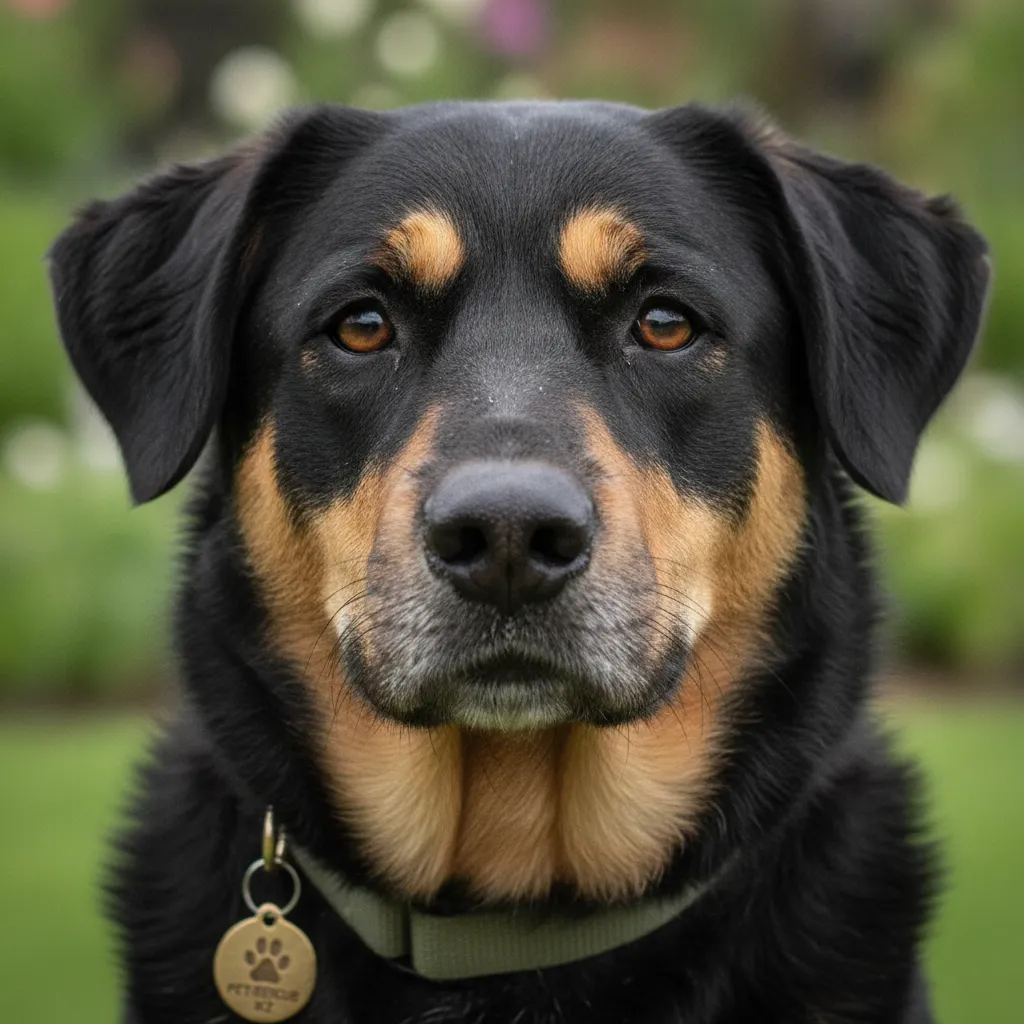
If your dog chases cats or barks at the postie, write it down. It is not a dealbreaker — it is how we make sure they go to the right setup.
Screening potential families with confidence
Vetting potential adopters is the most critical part of the process. It is completely normal to feel protective and anxious about who will take your dog. Trust your gut — you will know when the fit is right. A serious, loving adopter will always be happy to answer your questions and share details about their lifestyle.
To help you screen potential families, we recommend asking a series of open-ended questions during your initial conversations:
- What does a typical day look like for a dog in your home?
- How long will the dog be left alone during the day, and where will they sleep?
- Do you have a securely fenced yard, and can you share photos of your property?
- What experience do you have with this specific breed or size of dog?
Scammers and dog fighters frequently scan classifieds for free dogs. Always ask for a small adoption fee or use a moderated rehoming platform.
Setting up the meet-and-greet safely
Once you have found a promising applicant, the next step is an in-person meeting. This should always happen in a neutral, public space first. Meeting at a local fenced park or quiet reserve takes the pressure off both your dog and the potential adopter, allowing everyone to interact naturally.
Pay close attention to how the adopter interacts with your dog. Do they respect your dog’s boundaries? Does your dog seem comfortable and relaxed around them? If the adopter already has a dog, a neutral meeting is absolutely vital to ensure the two animals can get along.
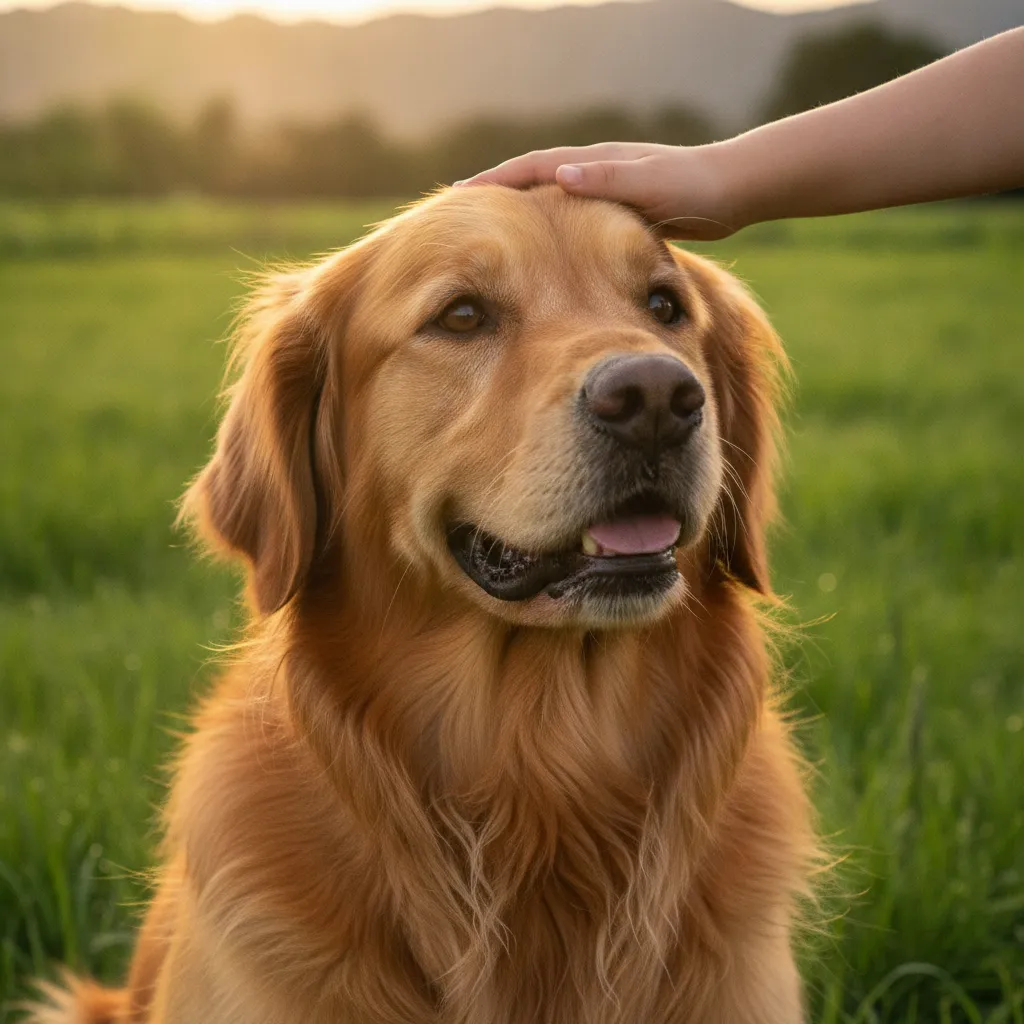
Meet in a neutral, fenced park first. Keep both dogs on lead if the new family has pets. Observe body language closely before moving to a home visit.
The legal and ethical checklist for a clean handover
When the big day arrives, having a clear checklist ensures that nothing is forgotten during the handover. This transition can be emotional, so having a structured plan helps keep things organized and stress-free for both you and your dog.
Ultimately, practicing Safe Dog Rehoming in NZ: Make Ethical Choices Today ensures your best friend lands on their feet in a safe environment. Make sure you tick off these final legal and practical steps:
- Update the microchip: Log into the New Zealand Companion Animal Register (NZCAR) and transfer the ownership details to the new owner. This is the single most important legal step.
- Transfer vet files: Call your local vet clinic and authorise them to release your dog’s medical history to the adopter’s chosen clinic.
- Pack a transition kit: Send your dog off with their favourite bed, toys, lead, and a few days’ worth of their current food to prevent stomach upset.
- Sign a simple agreement: A basic, written adoption agreement outlining the transfer of ownership protects both parties and confirms the commitment to the dog’s future care.
We highly recommend offering a 2-week trial. This gives the new family and your dog a chance to settle in and ensures it’s a perfect match.
About the authors
This guide was created by the team at Pet Rescue NZ. We are a family-run, community-funded platform dedicated to helping Kiwi families navigate the emotional journey of rehoming. We believe that every pet has a story, and our mission is to help write the next chapter by connecting good people directly — with zero cage time, zero shelter stress, and absolute transparency. We are always on the animal’s side.