
Rescue Dogs Christchurch
Dogs for adoption Christchurch refers to the network of municipal shelters, non-profit sanctuaries, and foster-based organizations in the Canterbury region dedicated to rehoming stray, surrendered, or abandoned canines. To adopt, prospective owners must typically view current listings online, undergo a strict vetting process including property inspections, and pay an adoption fee that covers desexing, vaccination, and microchipping.
Understanding the Landscape of Dog Rescue in Christchurch
Adopting a rescue dog is one of the most rewarding decisions a person can make, but navigating the ecosystem of dogs for adoption in Christchurch can be overwhelming for first-time applicants. The Canterbury region is home to a diverse range of organizations, each with its own specific focus, admission policies, and adoption requirements.
In Christchurch, the rescue landscape is primarily divided into three categories: municipal pounds (run by the City Council), large national charities (like the SPCA), and specialized private trusts (such as Dogwatch or breed-specific rescues). Understanding the difference between these entities is crucial for setting expectations regarding the types of dogs available and the speed of the adoption process.
While the goal of every organization is to place dogs in forever homes, the “pound” often deals with unclaimed strays and has a higher turnover rate, whereas sanctuaries like Dogwatch often take in dogs that require longer-term rehabilitation or medical care before they are ready for adoption. Regardless of where you choose to look, the demand for rescue dogs in New Zealand has remained high, meaning that preparation and patience are key virtues for any prospective adopter.
Christchurch City Council Animal Shelter Listings
The Christchurch City Council (CCC) Animal Shelter is often the first port of call for finding dogs for adoption Christchurch. Located at Metro Place in Bromley, this facility functions primarily as the city’s pound. Dogs found wandering without identification or those that are not claimed by their owners within seven days often become available for adoption.
The Role of the Council Shelter
Contrary to some misconceptions, the Council shelter works hard to rehome suitable dogs. Once a dog’s statutory holding period is up, the animal management team conducts a behavioral assessment. Only dogs that pass this temperament test are placed up for adoption. This ensures that the dogs released to the public are generally safe and suitable for family life, although they may require further training.
Viewing Listings and Visiting
The Council maintains an updated list of adoptable dogs on their official website and often posts new arrivals on their Facebook page. Because these dogs are often strays, their history might be unknown. You might find anything from energetic Huntaway crosses to small terriers or family-friendly Labradors.
To view a dog, you generally need to make an appointment. The staff at Metro Place are experienced in matching dogs with owners and will ask questions about your lifestyle, activity levels, and property size to ensure a sustainable match.
Dogwatch Sanctuary Trust and Private Rescues
If you are looking for a rescue experience that offers more known history about the animal, the Dogwatch Sanctuary Trust is a cornerstone of the Christchurch rescue community. Located in Bromley, near the Council shelter, Dogwatch is a dedicated rescue center that operates as a charitable trust.
The Dogwatch Difference
Dogwatch operates on a “no-kill” policy for healthy and rehomeable dogs. Many of the dogs here have been surrendered by owners who could no longer care for them due to housing issues, financial changes, or illness. This means the staff often have detailed information about the dog’s past, including whether they are house-trained, how they react to children, and if they get along with cats.
The adoption fee at Dogwatch typically covers desexing, registration, microchipping, vaccinations, and worming/flea treatments. They also provide post-adoption support, which can be invaluable for first-time dog owners navigating the decompression period of a new rescue.
The SPCA and Other Canterbury Organizations
Beyond the Council and Dogwatch, several other organizations contribute significantly to the pool of dogs for adoption in Christchurch.
SPCA Christchurch
The SPCA (Society for the Prevention of Cruelty to Animals) is New Zealand’s oldest and largest animal welfare charity. The Christchurch center handles cases of neglect and abuse, meaning some dogs here may have had a traumatic start to life. However, the SPCA’s rehabilitation programs are world-class. When you adopt from the SPCA, you are often giving a second chance to a dog that has seen the worst of humanity and is ready to experience the best.
Christchurch Bull Breed Rescue
For lovers of Staffordshire Bull Terriers and similar breeds, the Christchurch Bull Breed Rescue is a vital resource. These breeds are often misunderstood and overrepresented in shelters. This organization focuses specifically on advocating for, rehabilitating, and rehoming bull breeds, ensuring they go to knowledgeable homes that understand their affectionate but energetic nature.
Adopting Farm Dogs and Working Breeds
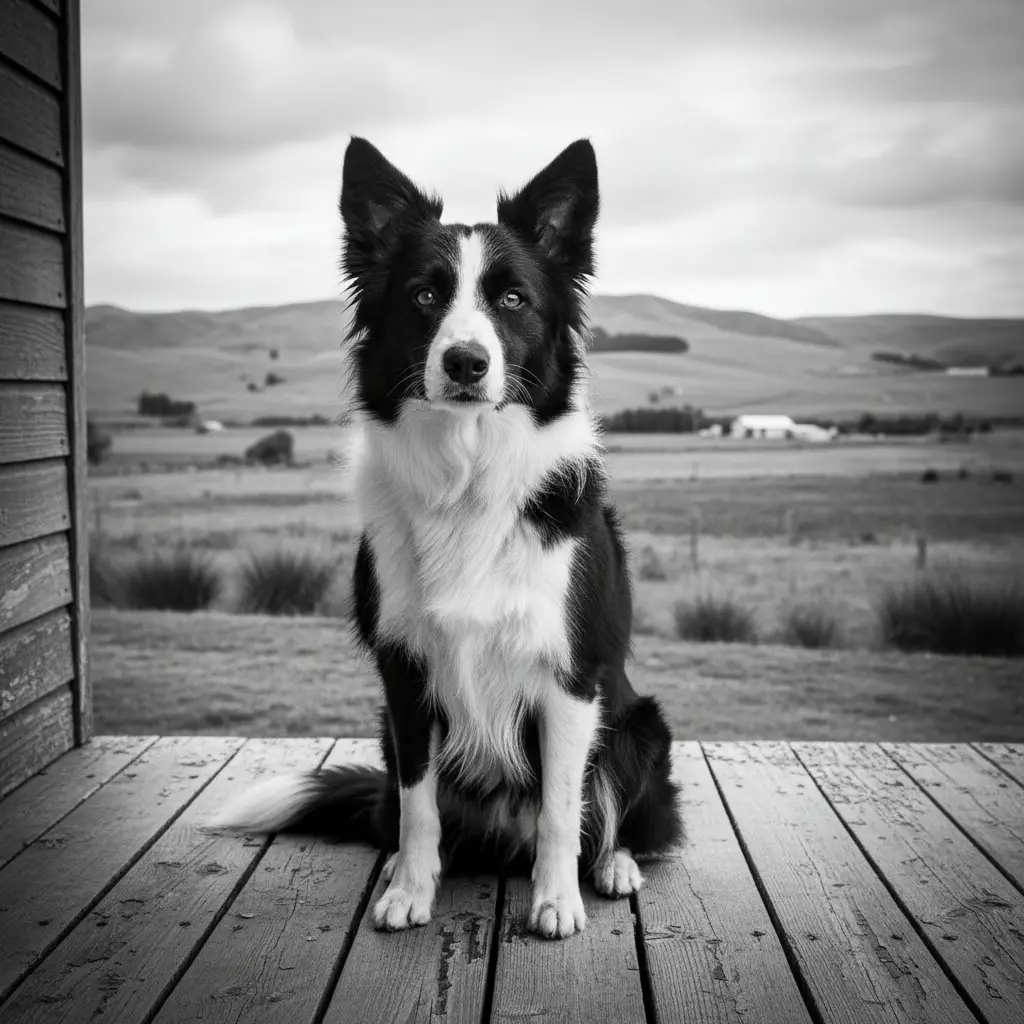
Canterbury is a massive agricultural hub, and as a result, there is a unique category of rescue dogs available: retired or failed working dogs. These are often Huntaways, Border Collies, or Heading dogs that either didn’t have the drive for stock work or are retiring due to age.
Is a Working Breed Right for You?
Adopting a working breed requires honest self-reflection regarding your activity level. A Huntaway, even a “retired” one, will not be happy with a 10-minute walk around the block. These dogs are intelligent and high-energy. However, for active families who enjoy hiking in the Port Hills or running along New Brighton Beach, a working breed can be the ultimate companion.
There are specific Facebook groups and networks, such as “Retired Working Dogs NZ,” that facilitate these adoptions in the Canterbury region. These dogs are often incredibly loyal and well-trained in obedience, even if they weren’t cut out for herding sheep.
The Adoption Process: Step-by-Step
While each organization has its own nuances, the general workflow for securing one of the dogs for adoption Christchurch offers is fairly standardized to ensure the safety of the animal.
1. The Application
Most rescues require you to fill out a detailed expression of interest form. This will ask about your work hours, the ages of children in the home, other pets, and your fencing situation. Be honest; rescues aren’t looking for perfection, but they are looking for safety and suitability.
2. The Meet and Greet
If your application is shortlisted, you will be invited to meet the dog. This is crucial. It’s not just about you liking the dog; the dog must be comfortable with you. If you have existing dogs, you will be required to bring them along for a supervised introduction to ensure they don’t clash.
3. Property Inspection
This is a non-negotiable step for reputable rescues in New Zealand. A volunteer or staff member will visit your home to check your fencing. For most medium-to-large dogs, fully fenced, secure boundaries (usually at least 1.8m high for jumpers) are required. They are checking for gaps where a dog could escape and ensuring the environment is safe.
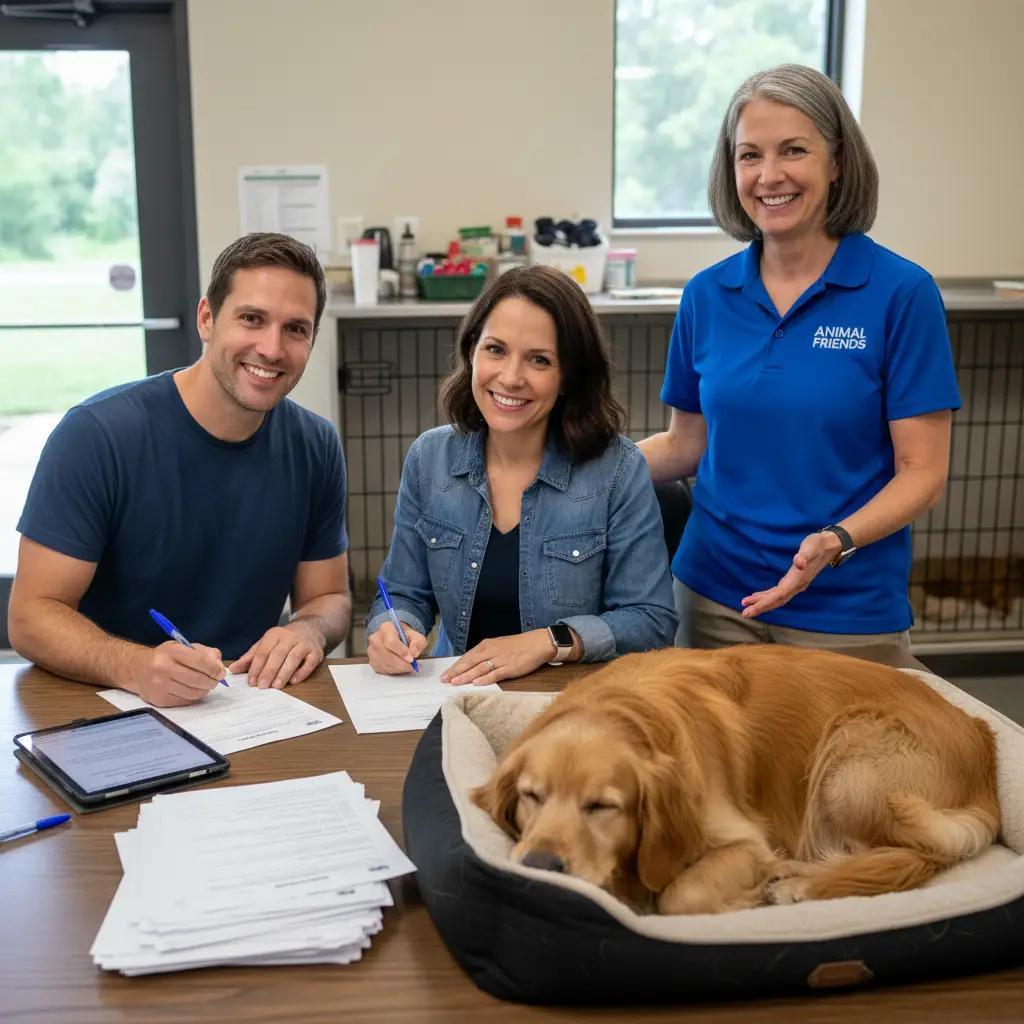
4. Adoption Fee and Paperwork
Once approved, you will pay the adoption fee. In Christchurch, this generally ranges from $300 to $450 depending on the organization and the age of the dog. This fee is a fraction of the actual cost incurred by the rescue for surgery, food, and care.
Tenant Advocacy: Renting with Dogs in Christchurch
One of the biggest barriers to adopting dogs for adoption Christchurch is the rental market. New Zealand tenancy laws do not currently mandate that landlords must accept pets, although recent changes to the Residential Tenancies Act have made minor improvements regarding “reasonable” requests.
Creating a Pet CV
To increase your chances of being approved to adopt while renting, you need to present yourself as a low-risk tenant. Create a “Pet CV” for your future dog. This should include:
- References: Letters from previous landlords stating your dog caused no damage.
- Training Certificates: Proof of obedience training.
- Vaccination Records: Showing the dog is healthy and flea-free.
- A Personal Statement: explaining how you manage the dog during the day (e.g., doggy daycare or dog walkers).
Rescues are often hesitant to adopt to renters without written permission from the landlord. Before applying for a dog, ensure you have a signed letter or email from your property manager explicitly stating that a dog is permitted on the premises. For more information on your rights and responsibilities, refer to Tenancy Services NZ.
Preparing for Your New Family Member
Bringing a rescue dog home is an adjustment period for everyone involved. The “3-3-3 Rule” is a helpful guideline to manage expectations:
- 3 Days: The dog is overwhelmed and nervous. They may not eat or be themselves.
- 3 Weeks: They start to settle in, learning your routine and letting their guard down. Behavior issues may start to appear here as they test boundaries.
- 3 Months: They feel completely at home and have built trust and a bond with you.
Ensure you have registered your new dog with the Christchurch City Council. Registration is a legal requirement in New Zealand and must be renewed annually every July.
Frequently Asked Questions
How much does it cost to adopt a dog in Christchurch?
Adoption fees in Christchurch typically range between $300 and $450 NZD. This fee generally covers desexing, microchipping, the first vaccination, flea/worm treatment, and council registration for the first year. Puppies may sometimes have higher fees due to additional vaccination requirements.
Where is the Christchurch City Council dog shelter located?
The Christchurch City Council Animal Shelter is located at 10 Metro Place, Bromley, Christchurch. It is open to the public for viewings, usually by appointment or during specific visiting hours posted on the Council website.
Can I adopt a dog if I rent in Christchurch?
Yes, you can adopt while renting, but most rescue organizations require written permission from your landlord or property manager before they will process your application. Having a “Pet CV” and references can help secure landlord approval.
What is the difference between Dogwatch and the SPCA?
Dogwatch Sanctuary Trust is a specific rescue center in Christchurch that focuses solely on dogs and operates a strict no-kill policy for rehomeable animals. The SPCA is a national organization that handles all animals (cats, livestock, etc.) and has a legal mandate to enforce animal welfare laws and investigate cruelty cases.
Do I need a fully fenced property to adopt a dog?
Almost all reputable rescue groups in Christchurch require a fully fenced property to ensure the dog’s safety. The standard requirement is usually fencing at least 1.8 meters high for medium-to-large dogs, with no gaps or escape points.
How do I find retired farm dogs for adoption in Canterbury?
Retired farm dogs can often be found through specific networks like “Retired Working Dogs NZ” or through local rural veterinary clinics. Occasionally, the SPCA and Council shelters also receive working breeds that are better suited to pet life.
