
Urgent Guide to Rehome My Dog Safely in NZ
Life changes. We get it.
Sometimes, despite our absolute best intentions, we find ourselves facing a reality we never planned for. Whether it is a sudden change in housing, financial pressure, or a shift in family dynamics, the decision to rehome a beloved dog is one of the hardest choices a pet owner will ever make. You are likely feeling a heavy mix of guilt, stress, and worry about what comes next.
We want you to take a deep breath. You are not a bad person for wanting a secure, happy future for your companion. In fact, ensuring they go directly to another loving family is a profound act of care and responsibility—what we in Aotearoa call kaitiakitanga. If you find yourself in a position where you must act quickly, this Urgent Guide to Rehome My Dog Safely in NZ will walk you through the process step-by-step, keeping your dog safe, happy, and out of a cage.
Key Takeaways
To navigate this stressful transition, our Urgent Guide to Rehome My Dog Safely in NZ recommends keeping your dog comfortable at home, avoiding chaotic social media groups, setting a modest adoption fee, vetting potential Kiwi families thoroughly, and using a dedicated peer-to-peer platform like Pet Rescue NZ to maintain complete control over the final adoption.
The Reality of Rehoming Dogs in New Zealand Today
The pet landscape across New Zealand has shifted dramatically over the last few years. With the cost of living crisis squeezing household budgets and pet-friendly rentals becoming incredibly scarce, more families than ever are finding themselves in difficult positions. According to Companion Animals New Zealand, around 63% of Kiwi households share their lives with a companion animal, including over 830,000 dogs.
Unfortunately, this high rate of ownership combined with economic pressure has placed immense strain on traditional animal shelters and rescue groups across the country. Many local council shelters and rescue organisations are constantly operating at or near maximum capacity. In places like Tāmaki Makaurau, animal management services have reported record numbers of surrenders and impounds, leading to heartbreaking outcomes.
This is why avoiding the shelter system, if you can, is so vital for your dog’s physical and emotional wellbeing. Direct home-to-home rehoming allows your dog to bypass the stress of a kennel environment entirely. The chart below highlights the primary reasons Kiwi families find themselves needing to make this difficult decision, based on recent shelter and rescue data.
Why Direct Home-to-Home Rehoming is Best for Your Dog
When you surrender a dog to a physical shelter, they are instantly thrust into a noisy, unfamiliar environment. Even the best-run shelters with the most dedicated volunteers cannot replicate the comfort and security of a home. Many dogs experience severe separation anxiety, depression, and stress-induced behavioral changes when placed in a kennel.
By using a peer-to-peer rehoming platform, your dog stays right where they are comfortable—with you—until their new family is ready. Your pet stays home until the right family says yes. This direct transition keeps their routine intact and prevents the emotional trauma of shelter life.
Furthermore, direct rehoming gives you complete control over who adopts your companion, allowing you to ask the right questions and meet the new family in person. You know your dog better than anyone else, making you the best person to choose their next home. No shelters. No middlemen. Just good people finding each other.
| Rehoming Method | Stress Level for Dog | Owner Control | Safety & Vetting |
|---|---|---|---|
| Pet Rescue NZ | Very Low (Stays at home) | 100% (You choose the family) | High (Structured profiles & guides) |
| Traditional Shelters | High (Kennel environment) | None (Surrendered to shelter) | High (Staff screening) |
| Facebook Groups | Medium | 100% | Low (Unmoderated & scam-heavy) |
| Trade Me | Medium | 100% | Medium (Transactional focus) |
Step-by-Step Urgent Guide to Rehome My Dog Safely in NZ
When time is of the essence, having a structured plan is the best way to ensure nothing is missed. This Urgent Guide to Rehome My Dog Safely in NZ is designed to help you navigate the process swiftly without compromising on your dog’s safety or future happiness. Let’s break down the essential steps to find the perfect match for your pup.
Step 1: Create a Compelling, Honest Listing
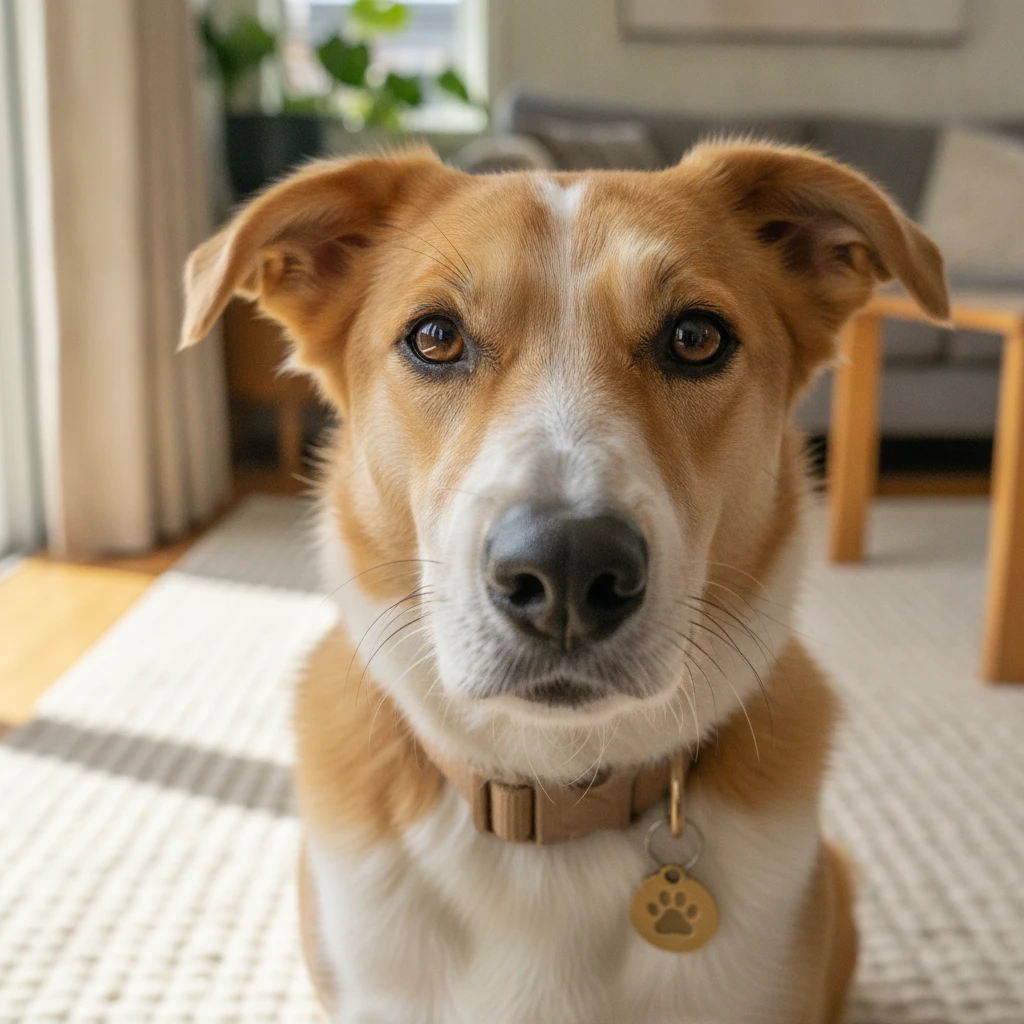
Your dog’s online profile is their first introduction to potential families. Take high-quality, clear photos in good natural light, showing your dog looking relaxed and happy. Write a detailed description that is completely honest about their personality, daily routine, likes, dislikes, and any quirks they might have.
If your dog is energetic and needs a lot of exercise, say so. If they prefer a quiet home without young children or other pets, be upfront about it. Honesty prevents mismatched adoptions and ensures that the families who reach out are genuinely equipped to care for your dog. Every pet has a story — let’s help write the next chapter.
To make your listing as effective as possible, make sure to include these key elements:
- Current daily routine: When they eat, sleep, and walk.
- Social preferences: How they behave around other dogs, cats, or kids.
- Medical history: Any allergies, medications, or past surgeries.
- Favorite things: Their go-to toys, treats, and spots to sleep.
Step 2: Set a Reasonable Adoption Fee (Avoid ‘Free to Good Home’)
It can be tempting to offer your dog for free when you are in a hurry, but this is a major safety risk. Unfortunately, there are individuals who search for free pets to use in dog fighting rings, for backyard breeding, or to resell for a profit. Setting a modest adoption fee (for example, $100 to $200) acts as a protective barrier.
A reasonable fee ensures that the adopter has the financial stability to care for a dog. If someone cannot afford a small adoption fee, they will struggle to cover vet bills, quality food, and registration costs down the track. If you do not want to keep the money, you can always donate it to a local animal rescue or use it to pay forward a vet bill for the new family.
Free-to-good-home listings are often targeted by bad actors, backyard breeders, or individuals involved in dog fighting networks. Always charge a modest adoption fee to deter these people.
Step 3: Vet Potential Adopters Thoroughly
Once your listing is live, you will likely receive inquiries from interested families. Do not feel rushed to accept the very first person who messages you. Take your time to ask open-ended questions about their lifestyle, home environment, and previous experience with dogs.
Ask about their working hours, whether they have a securely fenced yard, and how they plan to exercise the dog. If they are renting, ask for written proof of landlord permission to keep a dog on the property. This is one of the most common reasons dogs are returned or rehomed, so verifying this beforehand is a crucial step.
Having your dog up to date with vaccinations, desexing, and microchipping details ready makes them far more appealing to great Kiwi families and speeds up the process safely.
Step 4: Arrange a Safe Meet-and-Greet
Never hand over your dog without meeting the prospective adopters in person first. Arrange a meet-and-greet in a neutral, secure outdoor space, such as a quiet park or a fenced training field. This allows you to observe how they interact with your dog and how your dog responds to them.
If you have other family members or pets, it can be helpful to have them present too. Trust your gut. You’ll know when it’s right. If something feels off, or if the interaction does not feel right, it is completely okay to say no and continue your search. A genuine adopter will understand and respect your caution.
Step 5: Complete the Handover and Paperwork
Once you have found the perfect family, it is time to arrange the final handover. Make sure you have all of your dog’s vet records, microchip details, and registration paperwork ready to pass over. In New Zealand, you must update the dog’s details on the New Zealand Companion Animal Register (NZCAR) and with your local council.
Prepare a simple change of ownership agreement that both parties sign. This provides legal clarity and peace of mind for both you and the new family. Pack up their favorite bed, toys, leash, and a supply of their current food to help them settle into their new environment with familiar scents.
Before saying your final goodbye, ensure you have handed over the signed change of ownership form, microchip registration details, vaccination card, leash, favorite toys, blanket, and at least a week’s worth of food.
Crucial Safety Tips to Avoid Scams and Bad Actors
While the vast majority of people looking to adopt are genuine, loving families, it is important to remain vigilant. Online spaces can attract scammers or individuals with poor intentions. As part of this Urgent Guide to Rehome My Dog Safely in NZ, we emphasize that safety must always be your top priority during the rehoming process.
First, always communicate through a secure platform or verified email rather than sharing your home address immediately. Only share your address once you have vetted the adopter and feel comfortable doing so. Second, be wary of anyone who pressures you to make a quick decision or offers to pay without meeting the dog first.
Lastly, never agree to ship your dog to someone you have not met in person. Scammers often use shipping or courier stories to extract money or steal pets. Keeping things local and face-to-face is the safest way to ensure a happy outcome for everyone involved.
When evaluating prospective adopters, keep these safety practices in mind:
- Never meet in isolated areas: Always choose public spaces during daylight.
- Keep communication on-platform: Avoid giving your phone number too early.
- Ask for a vet reference: A great owner will gladly share their current vet’s name.
Always ask for written confirmation from their landlord if they rent. It is the number one safeguard against a dog being returned or surrendered again due to sudden tenancy issues.
Transitioning Your Dog to Their New Family
The day of the handover will be highly emotional for you, and it will also be a major adjustment for your dog. Dogs are incredibly intuitive and will pick up on your stress or sadness. Try to keep your emotions as steady as possible during the transition to help keep them calm.
When introducing them to their new home, advise the new owners to take things slowly. The ‘3-3-3 rule’ is a wonderful guideline for adopting a new dog. It outlines how a dog typically needs 3 days to decompress, 3 weeks to learn the new routine, and 3 months to feel completely secure and part of the family.
Provide the new family with a written guide detailing your dog’s current feeding schedule, favorite commands, and sleeping habits. This consistency will make the transition significantly easier for your dog and set them up for a successful future in their new home.
About Pet Rescue NZ and Our Commitment
At Pet Rescue NZ, we believe that every companion animal in Aotearoa deserves a safe, loving home without ever having to experience the stress of a shelter cage. As a family-run, community-funded platform, we are dedicated to helping Kiwi families navigate the emotional journey of rehoming with dignity and respect. Our mission is built on the principles of honesty, transparency, and kaitiakitanga—ensuring we look after the vulnerable animals in our communities.
We do not operate physical shelters or kennels. Instead, we provide the secure digital tools and educational resources you need to find the right family directly. We are always on the animal’s side, working hard to make sure every story has a happy next chapter.
We hope this Urgent Guide to Rehome My Dog Safely in NZ gives you the confidence and clarity you need. Remember, you do not have to do this alone. Our community is here to support you every step of the way.
About the Author
Written by Sarah Jenkins, Co-founder of Pet Rescue NZ and a passionate animal welfare advocate with over 12 years of experience in companion animal rehoming across New Zealand. Sarah works closely with local communities and veterinary experts to promote safe, direct home-to-home transitions that prioritize the emotional and physical wellbeing of dogs.