
Compassionate Dog Rehoming Tips for NZ Owners
Life changes. We get it. Sometimes, despite your absolute best efforts, keeping your dog just is not possible anymore.
Whether it is a sudden shift in your living situation, a new baby, or the biting reality of the current cost-of-living crisis, the guilt can feel incredibly heavy. You are not alone in this, and making the hard call to rehome your mate is often the bravest act of love.
Finding a new family does not have to mean dropping your dog at a noisy, stressful shelter. By taking control of the process, you can ensure a smooth, direct handover from your couch to theirs.
If you are looking for compassionate dog rehoming tips for NZ owners, you are in the right place [1]. We are going to walk through exactly how to protect your dog, screen adopters, and manage the transition without the judgment.
Key Takeaways
The most compassionate way to rehome a dog in NZ is through direct, home-to-home adoption. This prevents shelter stress and guarantees zero cage time. Take clear photos, write an honest behavioral profile, screen adopters carefully, and always update the NZCAR microchip registry to legally transfer ownership.
The 2026 Reality: Why Kiwis Are Rehoming
The Cost of Living Squeeze
Right now across Aotearoa, the cost of living is biting hard. Families are making impossible choices between groceries and vet bills.
Recent SPCA data highlights that nearly 84 percent of pet owners say expenses are directly affecting the healthcare their pets receive [2]. When the money runs out, the guilt sets in.
Choosing to rehome your dog because you can no longer afford their care is not a failure. It is an act of responsible kaitiakitanga (guardianship), ensuring they get the life they deserve.
The Auckland Shelter Crisis
Traditional shelters are buckling under the pressure. They simply do not have the physical space for every dog that needs a home right now.
In recent years, Auckland Council impounded over 12,000 dogs, resulting in a devastating euthanasia rate that climbed to 60 percent [1]. Shelters are full of unregistered, undesexed dogs, and staff are completely overwhelmed.
The physical environment of a pound is incredibly stressful for a family pet used to a quiet living room. This is exactly why a new approach is desperately needed.
The Zero Cage Time Movement
Bypassing the Pound
This is where the home-to-home rehoming model changes everything. We believe in keeping dogs out of cages entirely.
By using a peer-to-peer platform like Pet Rescue NZ, your pet stays home until the right family says yes. There are no cold concrete floors and no barking strangers.
No shelters. No middlemen. Just good people finding each other. It is a calm transition from one loving home directly to another.
A Calmer Transition
Dogs are highly sensitive to environmental changes. Ripping them out of their home and placing them in a kennel spikes their cortisol levels.
When you facilitate a direct adoption, your dog does not suffer the trauma of abandonment. They simply go for a car ride and arrive at their new family’s house.
This method preserves their mental well-being. It also allows the new owners to see the dog’s true, relaxed personality immediately.
| Rehoming Method | Stress Level for Dog | Owner Control | Safety & Moderation |
|---|---|---|---|
| Pet Rescue NZ (Home-to-Home) | Very Low (Stays at home) | 100% Control | High (Scam awareness & support) |
| Council Pound / Shelter | Very High (Cages, noise) | Zero Control | High (Staff vetted) |
| Facebook Groups | Low to Moderate | High Control | Very Low (High scam risk) |
Compassionate Dog Rehoming Tips for NZ Owners
Step 1: Write an Honest Profile
When implementing compassionate dog rehoming tips for NZ owners, honesty is your very best tool. Adopters need the absolute truth, not a polished sales pitch.
If your dog is terrified of thunderstorms, write it down. If they cannot be trusted around free-roaming chickens or cats, make that crystal clear from day one.
A transparent profile ensures your dog goes to a family equipped to handle their specific quirks. It prevents the heartbreak of a failed adoption down the line.
While honesty about behavioural quirks is crucial, do not forget to highlight what makes them wonderful. Do they love belly rubs? Are they great in the car? Share those joyful details.
Step 2: Capture Their True Personality
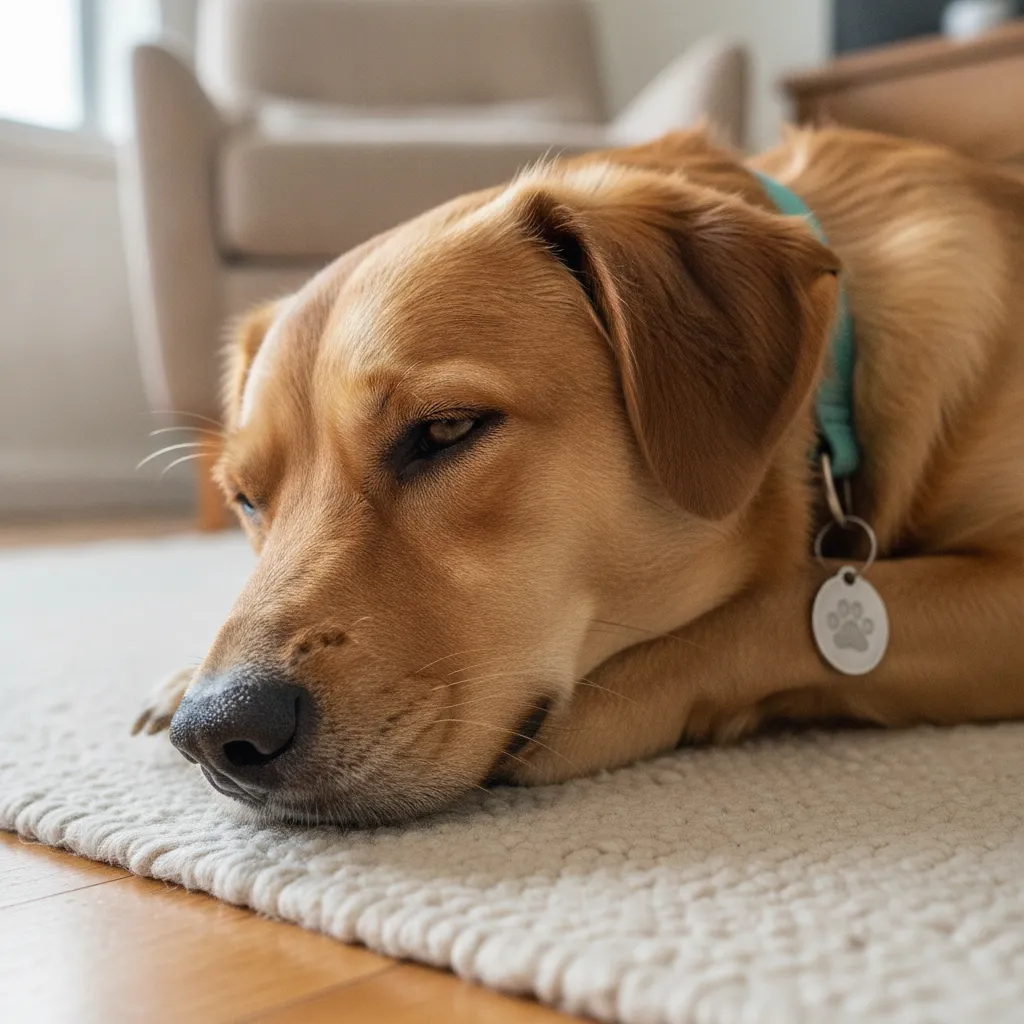
Photos matter immensely. A blurry picture of your dog hiding in a dark hallway will not help them find a loving home.
Take photos outside in natural light. Show them playing with their favourite toy or lounging comfortably in their normal sleeping spot.
Adopters want to see the real dog they are bringing into their whānau. Let their true, relaxed personality shine right through the lens.
Step 3: Prepare Their Paperwork
Gather all their veterinary records before you start talking to potential adopters. This shows you are a highly responsible owner.
Have their vaccination history, desexing certificate, and any ongoing medication details ready to hand over.
This level of preparation builds immediate trust with adopters. It proves that you care deeply about your dog’s long-term future and health.
Screening Adopters Safely
Asking the Right Questions
You have complete control over who adopts your dog. Trust your gut — you will know exactly when it feels right.
Ask potential adopters about their daily lifestyle. Do they work twelve-hour shifts away from home? Do they have a fully fenced, secure section?
Do not be afraid to ask for a meet-and-greet at a neutral location, like a quiet local park. Watch closely how the adopter interacts with your dog.
Always conduct the first meeting in a public space. It reduces territorial behaviour from your dog and keeps you physically safe while assessing the adopter.
Spotting Red Flags
Unfortunately, the internet has its fair share of bad actors. You need to protect your dog from people looking for free animals for the wrong reasons.
Be extremely wary of anyone who refuses to answer basic questions about their living situation. If they are rushing the process or demanding to pick the dog up immediately, walk away.
Using a moderated platform helps filter out the noise. It keeps the transaction safe, structured, and entirely focused on the dog’s welfare.
Giving a dog away for free on social media attracts scammers and bad actors. Always use a secure, moderated platform to protect your pet.
NZ Dog Rehoming Legalities
The Dog Control Act 1996
Rehoming a dog in New Zealand comes with strict legal responsibilities. You cannot just hand over the leash and walk away from the situation.
Under the Dog Control Act 1996, you must notify your local council within 14 days of the dog changing hands. Both the old and new owners need to confirm this transfer in writing.
Failing to update the council means you are still legally responsible. If the dog gets out and causes trouble, the fines will come directly to you.
Updating the Microchip Database
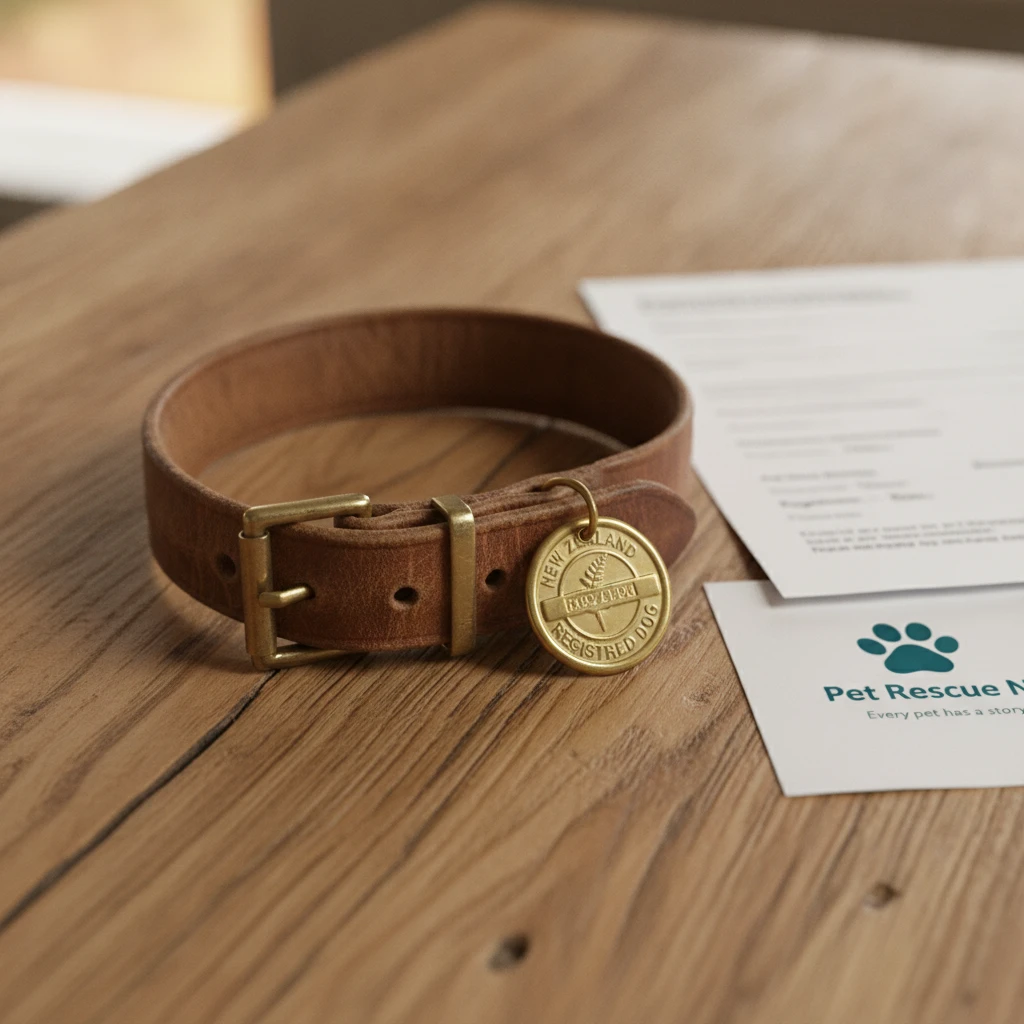
Microchipping is completely useless if the contact details are wrong. The New Zealand Companion Animal Register (NZCAR) must be updated immediately upon handover.
Log into your NZCAR account and transfer the dog into the new owner’s name. This ensures that if they ever get lost, they find their way back to their new family, not you.
It is a small administrative step, but it is one of the most critical compassionate dog rehoming tips for NZ owners you can follow.
Under the Animal Welfare Act 1999, your legal Duty of Care remains strictly with you until the physical handover of the dog is complete. Ensure the new home is safe before leaving.
The Desexing Deficit
Aotearoa currently has a massive overpopulation problem. Data shows around 221,000 dogs in New Zealand remain undesexed, leading to countless unwanted litters [3].
If your dog is not desexed, seriously consider getting the procedure done before rehoming them. This guarantees they will not end up being exploited in a puppy mill.
Pet Rescue NZ enforces a strict Anti-Commercial Breeding Mandate. We are exclusively for the rehoming of existing pets, and desexing is a final act of care that protects your dog.
Preparing Your Dog for Transition Day
Packing Their Bags
Dogs find immense comfort in familiar smells. When handover day finally arrives, send them off with their favourite unwashed blanket or bed.
Pack their current food, their harness, and the toys they love the most. These familiar items act as a strong emotional anchor in a strange new house.
A sudden change in diet on top of a new environment will upset their stomach. Provide enough of their regular food to last the new family at least a week.
- Include at least a 7-day supply of their current kibble or raw food.
- Pack an unwashed item of your clothing so they have your scent during the first few nights.
- Write down their daily feeding and walking routine to hand to the adopters.
The Handover Moment
Keep the actual goodbye short, positive, and upbeat. Dogs feed directly off our energy — if you are sobbing uncontrollably, they will start to panic.
Take them for a long, tiring walk before the new owners arrive. A tired dog is a calm dog, which makes the car ride to their new home much easier to handle.
Hand over the leash with quiet confidence. By following these compassionate dog rehoming tips for NZ owners, you ensure their next chapter is a safe and happy one.
Every pet has a story. By choosing a home-to-home adoption, you are helping write a beautiful next chapter. Trust your gut, take your time, and know you are doing the right thing.