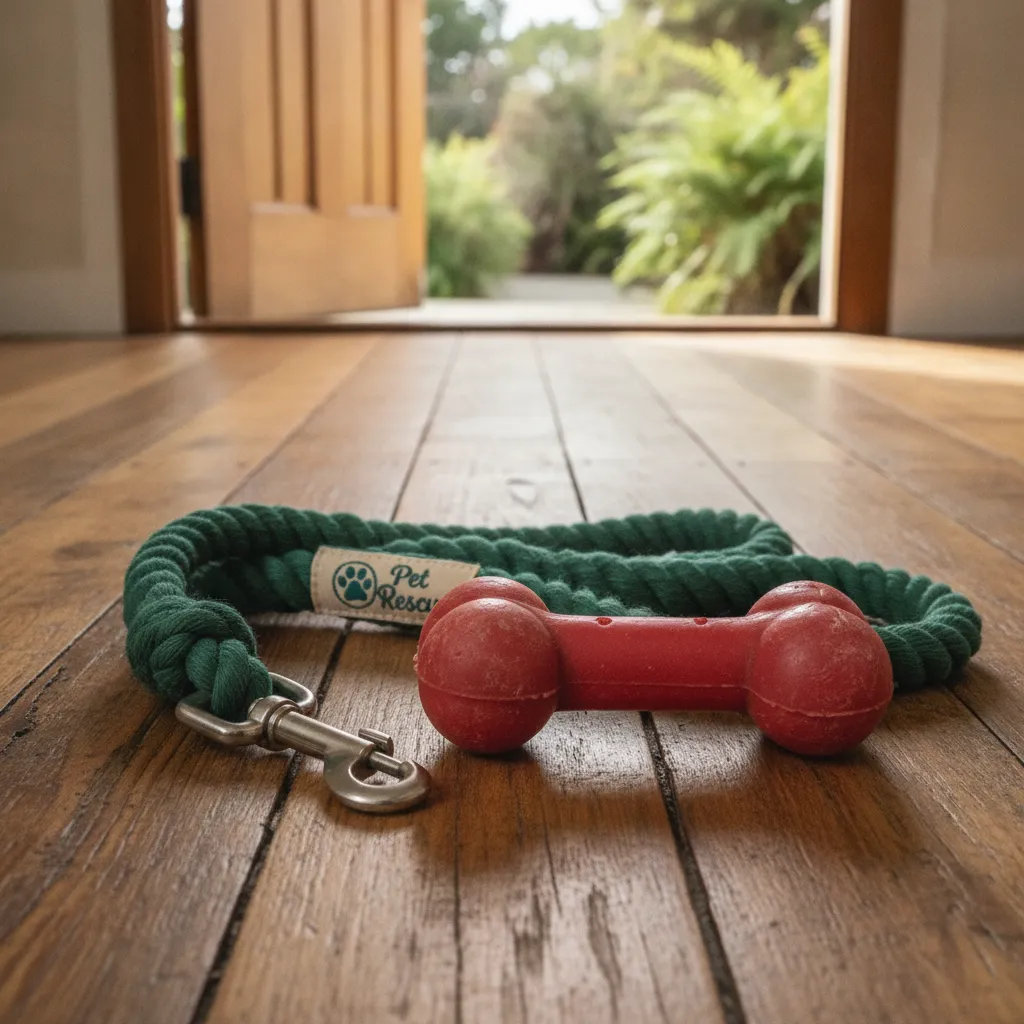
Understanding Safe Dog Rehoming in NZ
Rehoming a beloved dog is never an easy decision, and it’s essential to approach this process with care and compassion. Whether due to personal circumstances, financial constraints, or a change in lifestyle, many pet owners find themselves needing to find a new home for their furry friend. Understanding what safe dog rehoming in NZ entails can help ease the emotional burden during this challenging time.
Safe dog rehoming means ensuring that your dog is placed in a loving, suitable environment where their needs will be met. It involves taking the necessary steps and precautions to protect both your pet’s welfare and your emotional well-being throughout the transition. This guide aims to provide you with the emotional support you need during this process and practical advice to help make the rehoming experience as smooth as possible.
What Does Safe Dog Rehoming Mean?
Safe dog rehoming is about more than just finding a new home. It involves:
- Identifying a responsible and loving new owner.
- Ensuring the new home meets your dog’s needs and lifestyle.
- Providing complete and honest information about your dog’s behavior and health.
- Understanding and adhering to local laws regarding pet ownership and transfer.
“Rehoming is not a failure; it’s a responsible choice for your pet’s future.”
Why is Rehoming Sometimes Necessary?
There are various reasons why a pet owner may need to rehome their dog, including:
- Major life changes such as moving, divorce, or financial hardship.
- Health issues that prevent proper care for the pet.
- Behavioral problems that the owner cannot manage.
- Allergies or other concerns that affect the owner’s ability to care for the dog.
Regardless of the reason, it’s essential to approach the situation with empathy for both your dog and yourself. Remember, rehoming can be a positive step for both parties involved.
Common Misconceptions About Rehoming Pets
Many people have misconceptions about rehoming pets, which can lead to feelings of guilt or shame. Here are a few myths clarified:
- Myth: Rehoming means you are a bad pet owner.
- Fact: Sometimes life circumstances change, and finding a new home can be the best option for your pet.
- Myth: Dogs will not adjust to new homes.
- Fact: Many dogs adapt well when given time and support.
It’s important to understand that seeking a new home for your dog can be an act of love, ensuring they continue to thrive in an environment that suits them. For further guidance on responsible rehoming practices, check out our responsible rehoming guide.
The Emotional Impact of Dog Rehoming
Rehoming your dog can stir up a whirlwind of emotions, both for you and your pet. It’s essential to acknowledge and understand these feelings as you navigate this challenging transition. The emotional toll can include sadness, guilt, and even relief, depending on your circumstances. Recognizing that these feelings are normal can help you cope and provide the necessary emotional support during this time.
Understanding the Emotional Toll on Pet Owners
Letting go of a dog is not just about finding a new home; it’s also about processing the emotional impact of the decision. Pet owners often experience:
- Grief: The loss of daily companionship and the bond you’ve formed can feel overwhelming.
- Guilt: Many owners struggle with feelings of guilt, wondering if they could have done more to keep their dog.
- Relief: In some cases, rehoming may bring relief when the decision leads to a better situation for both the pet and owner.
It’s crucial to allow yourself to feel these emotions fully. Talking to friends or family members about your feelings can provide comfort and understanding as you navigate this emotional landscape.
Addressing Feelings of Guilt and Shame
Many pet owners grapple with guilt when considering rehoming. It’s vital to recognize that:
- Making the decision to rehome is often a responsible choice that prioritizes your dog’s needs.
- Life circumstances can change, and rehoming may be the best option for your dog’s future.
- Seeking help or advice is a sign of strength, not weakness.
“It’s okay to seek a new home for your dog; it shows love and responsibility.”
Finding a new home through safe dog rehoming in NZ can lead to a happier life for your pet. Remember, you are not alone in this journey; many others have faced similar challenges. Connecting with support groups or local communities can help alleviate feelings of isolation.
Reassurance: It’s Okay to Seek a New Home for Your Dog
Rehoming your dog does not equate to failure as a pet owner. It can be an opportunity for both you and your dog to find a better fit. Here are some reassuring thoughts to keep in mind:
- Dogs are resilient and can adapt to new environments with time and support.
- Finding a loving home can ensure your dog receives the attention and care they deserve.
- Your decision can lead to positive outcomes for both you and your dog, bringing peace of mind.
For further reassurance, consider reading success stories from others who have successfully navigated the rehoming process. Visit our Happy Tails page for inspiring testimonials that highlight the positive impacts of thoughtful rehoming decisions.
Legal Considerations Around Dog Rehoming in NZ
When considering rehoming your dog, it’s crucial to understand the legal frameworks and responsibilities involved in the process. Safe dog rehoming in NZ is not only about finding a new home for your pet but also about adhering to local laws and regulations that protect both the dog and the owner. This section will provide you with an overview of the essential legal considerations to keep in mind.
Overview of the Animal Welfare Act 1999
The Animal Welfare Act 1999 is a significant piece of legislation in New Zealand that sets the standards for the care and welfare of animals. When rehoming your dog, it’s important to be aware of how this law affects your responsibilities:
- Duty of Care: As a pet owner, you have a legal obligation to ensure that your dog is properly cared for, which includes finding a suitable new home.
- Prohibited Practices: Certain practices, such as abandoning your dog, are illegal under the Act and can result in penalties.
- Welfare Standards: The Act outlines the minimum welfare standards that must be met when rehoming, ensuring that the new owner is capable of providing proper care.
Responsibilities of Dog Owners When Rehoming
As you navigate the rehoming process, it’s essential to recognize your responsibilities as a dog owner. This includes:
- Finding a Responsible New Owner: Make sure the new owner understands the commitment involved in dog ownership and is prepared to meet your dog’s needs.
- Providing Accurate Information: Share honest details about your dog’s behavior, health, and any special requirements they may have.
- Updating Microchip Information: Ensure that the dog’s microchip details are updated with the new owner’s information to comply with local regulations.
Microchipping and the Importance of Updating Details
Microchipping your dog is a legal requirement in New Zealand, and it plays a crucial role in their identification and safety. Here’s why updating microchip details is vital during the rehoming process:
- Identifying Your Dog: Microchips serve as a permanent form of identification, which can help reunite lost pets with their owners.
- Legal Compliance: Keeping the microchip registration current is not only responsible but also a legal obligation under the Animal Welfare Act.
- Peace of Mind: Ensuring that the new owner’s details are registered can provide peace of mind for both you and the new family.
By understanding these legal considerations, you can ensure that the rehoming process is not only safe but also compliant with New Zealand laws. For more detailed information on responsible pet rehoming practices, please check our responsible rehoming guide.
Step-by-Step Guide to Rehoming Your Dog Safely
Rehoming your dog is a significant decision that requires careful thought and planning. By taking a structured approach, you can ensure that the transition is as smooth as possible for both you and your pet. This step-by-step guide will help you through the process of safe dog rehoming in NZ, focusing on assessing your dog’s needs, preparing them for the transition, and finding a suitable new home.
Assessing Your Dog’s Needs and Temperament
The first step in rehoming your dog is to understand their individual needs and temperament. Consider the following factors:
- Behavior: Is your dog social and adaptable, or do they have specific behavioral challenges? Knowing this can help you find an appropriate match.
- Health Needs: Are there any medical conditions or special care requirements your dog has? Being transparent about these will help potential adopters prepare.
- Energy Level: Understanding your dog’s activity level can guide you to families or individuals who can meet their physical needs.
By thoroughly assessing these aspects, you can better communicate your dog’s needs to potential new owners, ensuring they are a good fit for each other.
Preparing Your Dog for Rehoming
Preparation is key in facilitating a successful transition for your dog. Here are some practical steps:
- Routine Management: Keep your dog’s routine consistent during the transition period to reduce stress. This includes regular feeding, exercise, and playtime.
- Basic Training: Reinforce obedience commands and good behavior to make your dog more appealing to potential adopters. Basic commands like sit, stay, and come can significantly help.
- Health Checks: Schedule a visit to the vet to ensure your dog is up-to-date on vaccinations and has a clean bill of health. Providing health records to potential adopters is essential.
Taking these steps ensures that your dog is physically and emotionally prepared for their new home.
Finding a Suitable New Home: Friends, Family, or Community
Finding the right new home for your dog is crucial for their well-being. Consider these avenues:
- Friends and Family: Start by reaching out to people you trust who may be interested in adopting your dog. They can provide a familiar environment, helping your dog adjust more easily.
- Community Resources: Utilize community boards, local social media groups, or neighborhood apps to find potential adopters. Be sure to provide detailed information about your dog.
- Pet Rescue Organizations: If you’re unable to find a suitable home through personal connections, consider contacting organizations like Pet Rescue NZ for assistance. They can help facilitate a smooth rehoming process.
Regardless of the method you choose, ensure that potential adopters understand your dog’s needs and lifestyle to foster a successful match.
By following these steps, you can navigate the rehoming process with confidence and compassion. For more information on creating a safe and loving environment for your dog, explore our responsible rehoming guide.
Options for Rehoming Your Dog in NZ
When faced with the difficult decision to rehome your dog, it’s essential to explore all available options to ensure a safe and loving transition. Understanding the various avenues for rehoming can help you find the best fit for your pet while providing you with peace of mind. Here, we outline some of the most effective and compassionate ways to approach the rehoming process in New Zealand.
Surrendering Your Dog to Local Councils and Shelters
If you find yourself in a situation where rehoming is urgent or unavoidable, surrendering your dog to a local council or animal shelter can be a viable option. Here are some key points to consider:
- Immediate Assistance: Local councils often have facilities to take in pets that need new homes. They can provide a safe environment while they search for a suitable adopter.
- Welfare Standards: Reputable shelters adhere to the Animal Welfare Act 1999, ensuring that your dog will be cared for according to humane practices.
- Limitations: Be aware that some shelters may have limited space or resources, which could affect the time your dog spends in their care.
Before deciding on this route, it’s advisable to contact your local council to understand their policies and procedures for surrendering pets.
Working with Rescue Organizations: SPCA and Pet Rescue NZ
Partnering with established rescue organizations can help facilitate a smoother rehoming process. Organizations like Pet Rescue NZ and the SPCA offer various resources to assist pet owners:
- Expert Guidance: These organizations can provide valuable advice on how to prepare your dog for rehoming and help alleviate the emotional burden of the transition.
- Sharing Listings: Rescue groups often have platforms to create listings for your dog, connecting you with potential adopters who are specifically looking for a pet.
- Supportive Community: By working with these organizations, you join a network of pet lovers who understand what you’re going through and can offer emotional support during this challenging time.
Utilizing the services of rescue organizations can provide a safety net for both you and your dog, ensuring they find a caring new home.
Exploring Online Platforms and Community Resources
In today’s digital age, there are numerous online platforms available for rehoming pets. Websites and social media groups can be excellent resources for finding a new home for your dog:
- Online Listings: Platforms like Pet Rescue NZ allow you to create free listings, showcasing your dog to a wide audience of potential adopters.
- Community Groups: Local Facebook groups or pet-specific forums can provide connections to interested adopters within your community, making it easier to find someone who understands your dog’s needs.
- Meet-and-Greet Opportunities: Online platforms often facilitate meet-and-greet opportunities, allowing potential adopters to interact with your dog before making a commitment.
When using online resources, ensure that you provide accurate and detailed information about your dog to attract the right kind of adopters. Always prioritize the safety and well-being of your pet during this process.
By exploring these various options for rehoming your dog, you can take steps towards a safe and positive transition. Remember that you are not alone in this journey, and there are many resources available to assist you. For more information on responsible rehoming practices, check out our responsible rehoming guide.
Safe Dog Rehoming Resources in New Zealand
As you navigate the journey of rehoming your dog, having access to the right resources can provide invaluable support and guidance. In New Zealand, various organizations and community resources are dedicated to ensuring that both pets and their owners have the assistance they need during this transition. This section outlines some key contacts and resources that can help you in the rehoming process.
Key Contact Information for SPCA and Other Rescue Groups
The SPCA (Society for the Prevention of Cruelty to Animals) is a prominent organization in New Zealand that advocates for animal welfare. They offer support for pet owners looking to rehome their pets. Here are some key contacts:
- SPCA New Zealand: You can reach out to your local SPCA branch for advice and assistance. Visit their website at SPCA New Zealand for more information.
- Pet Rescue NZ: Another excellent resource is Pet Rescue NZ, which provides a home-to-home rehoming platform for pets, aiming to connect owners with loving adopters.
- Animal Control Officers: Your local council often has animal control officers who can provide information on rehoming procedures and local regulations.
Local Council Rehoming Policies and Procedures
Each local council in New Zealand has its own policies regarding pet rehoming and surrendering. It’s crucial to familiarize yourself with these guidelines to ensure a smooth process. Here are some steps you can take:
- Contact Your Local Council: Reach out to your local council’s animal control department to inquire about their rehoming policies and any assistance they can provide.
- Understand Fees and Regulations: Some councils may have specific fees associated with rehoming or require certain forms to be filled out. Being informed will help you avoid surprises.
- Explore Community Resources: Many councils also have community programs or partnerships with local shelters that can assist you in finding a new home for your dog.
Community Forums and Social Media Groups for Support
Connecting with other pet owners and like-minded individuals can provide emotional support and practical advice during this transition. Consider joining local community forums or social media groups focused on pet rehoming:
- Facebook Groups: Look for local Facebook groups dedicated to pet adoption or rehoming. These can be great platforms for sharing your dog’s story and finding a loving home.
- Online Forums: Websites like Pet Rescue Resources host discussions and provide a wealth of information on rehoming pets.
- Support Networks: Engaging with community support networks can help you process your emotions and receive encouragement from those who have gone through similar experiences.
By utilizing these resources, you can facilitate a safe and compassionate transition for your dog. Remember that you’re not alone, and many organizations and communities are ready to support you during this challenging time.
Providing Emotional Support During Transition
Transitioning a dog to a new home is a significant change, not just for the dog but for you as well. During this period, providing emotional support is crucial for both of you. Recognizing and addressing the emotional aspects of this transition can help ease the process and foster a positive experience for everyone involved. Here are some practical ways to cope with the transition and support your dog during this time.
Tips for Coping with the Transition Period
As you navigate this challenging time, consider the following tips to help manage your emotions and maintain a supportive environment:
- Acknowledge Your Feelings: It’s natural to feel a mix of emotions such as sadness, guilt, or even relief. Allow yourself to experience these feelings without judgment.
- Stay Connected: Reach out to friends, family, or support groups who understand what you’re going through. Sharing your experiences can provide comfort and perspective.
- Practice Self-Care: Make time for activities that bring you joy and relaxation. This can help alleviate stress and improve your emotional well-being during the transition.
- Set Realistic Expectations: Understand that adjustments take time, both for you and your dog. Be patient with yourself and your pet as you navigate this change.
How to Help Your Dog Adjust to a New Home
Supporting your dog during their transition to a new home is equally important. Here are some strategies to help them adjust:
- Maintain a Routine: Dogs thrive on routine. Keeping feeding, walking, and playtimes consistent can provide a sense of stability as they settle into their new environment.
- Familiar Items: Send your dog with familiar toys or blankets to their new home. These items can offer comfort and help ease their anxiety.
- Gradual Introductions: Encourage a slow introduction to new family members, pets, and spaces. This can help your dog feel more secure and less overwhelmed.
- Positive Reinforcement: Reward your dog with treats and praise for exploring their new surroundings and displaying calm behavior, reinforcing positive associations with their new home.
Resources for Emotional Support: Counseling and Support Groups
Sometimes, the emotional toll of rehoming a pet can be heavy, and seeking external support can be beneficial. Here are some resources to consider:
- Counseling Services: Professional counseling can provide a safe space to process your feelings about rehoming your dog. Look for local services that specialize in pet loss or transitions.
- Support Groups: Joining support groups for pet owners can connect you with others who have experienced similar situations. Sharing stories and advice can help you feel less isolated.
- Online Forums: Websites like Pet Rescue Resources offer forums where you can discuss your feelings and experiences with others who understand.
- Local Animal Welfare Organizations: Organizations such as SPCA and Pet Rescue NZ may offer resources or support for pet owners during the rehoming process.
Providing emotional support during this transition is vital for both you and your dog. By acknowledging your feelings, helping your dog adjust, and utilizing available resources, you can navigate this process with compassion and care. Remember, seeking a new home for your dog can be a responsible and loving decision, ensuring a brighter future for both of you.
Preparing Your Dog for Rehoming
Preparing your dog for rehoming is a crucial step in ensuring a smooth transition for both you and your pet. By taking the time to assess your dog’s needs, creating a detailed profile for potential adopters, and ensuring their health is in order, you can significantly improve the chances of finding a loving new home. Here are some practical steps to guide you through this preparation process.
Basic Training and Socialization Tips
A well-trained and socialized dog is more likely to attract potential adopters. Here are some training tips to focus on:
- Obedience Commands: Reinforce basic commands such as sit, stay, come, and down. These commands not only showcase your dog’s training but also make them easier to handle for new owners.
- Socialization: Expose your dog to various environments, people, and other pets. This helps them become more adaptable and confident, making the transition to a new home smoother.
- Positive Reinforcement: Use treats and praise to encourage good behavior. This approach fosters a positive learning experience and strengthens your bond with your dog.
Creating a Detailed Profile for Potential Adopters
Providing potential adopters with a comprehensive profile of your dog can help them make an informed decision. Include the following information:
- Personality Traits: Describe your dog’s temperament, energy level, and any quirks. This helps potential adopters understand what to expect.
- Health Information: Provide details on your dog’s health history, including vaccinations, recent vet visits, and any medical needs.
- Behavioral Insights: Share information about your dog’s likes, dislikes, and any specific behavioral traits. This transparency can help ensure a good match.
Health Checks, Vaccinations, and Vet Records
Ensuring your dog is in good health before rehoming is essential. Here are the steps to follow:
- Visit the Vet: Schedule a health check-up to confirm your dog is up-to-date on vaccinations and is generally healthy. This also provides an opportunity to discuss any health concerns.
- Obtain Vet Records: Gather all relevant veterinary documents, including vaccination records and any medical history. This information is crucial for the new owner to maintain your dog’s health.
- Consider Desexing: If your dog is not already desexed, consider this procedure as it can make them more appealing to potential adopters and contribute to responsible pet ownership.
By thoroughly preparing your dog for rehoming, you not only increase the chances of finding a suitable new home but also help ensure a positive transition for your pet. For more information on responsible rehoming practices, consider checking our responsible rehoming guide.
After the Rehoming: What to Expect
Once your dog has been rehomed, both you and your pet will go through a period of adjustment. Understanding what to expect can help ease the transition and provide reassurance. This section will guide you through the emotional landscape post-rehoming, how to maintain connections with the new owner, and where to seek ongoing support.
Understanding the Adjustment Period for Your Dog
After rehoming, your dog will likely experience an adjustment period. Here are some factors to consider:
- Initial Anxiety: Dogs may feel anxious or confused in their new environment. This is a normal reaction as they adapt to unfamiliar surroundings.
- Time to Settle: It may take days or even weeks for your dog to feel comfortable in their new home. Patience is key during this time.
- New Routines: The new owner will establish routines that can differ from what your dog was accustomed to. Consistency in feeding, exercise, and training will help them adjust more quickly.
Keeping in Touch with the New Owner: Is it Okay?
Maintaining contact with the new owner can be a source of comfort for both you and your dog. Consider these points:
- Check-Ins: It’s perfectly fine to check in with the new owner to see how your dog is settling in. This can provide peace of mind for you as well.
- Respect Boundaries: While staying in touch is encouraged, be respectful of the new owner’s privacy and boundaries. They may need space to bond with your dog without interference.
- Share Updates: If the new owner is open to it, sharing updates about your dog’s progress can be uplifting. This can also include tips that may help them during the adjustment.
Resources for Ongoing Support and Advice
As you navigate the post-rehoming phase, it’s essential to know where to find support and advice. Here are some valuable resources:
- Counseling Services: If you’re struggling with the emotional aspects of rehoming, consider seeking professional support. Counseling can help you process your feelings and gain closure.
- Support Groups: Look for local or online support groups for pet owners who have rehomed their pets. Sharing experiences can provide comfort and community.
- Animal Welfare Organizations: Organizations such as SPCA and Pet Rescue NZ often offer resources and support for owners dealing with rehoming challenges.
- Online Forums: Participate in forums like Pet Rescue Resources where you can connect with others and seek advice on pet care and rehoming.
Rehoming a dog is a significant and emotional journey, but it can lead to positive outcomes for both you and your pet. By understanding the adjustment period, maintaining respectful communication with the new owner, and utilizing available resources, you can navigate this transition with compassion and care. Remember, seeking a new home for your dog through safe dog rehoming in NZ is an act of love and responsibility.
Creating a Listing on Pet Rescue NZ
When you’re ready to rehome your dog, creating a listing on Pet Rescue NZ is a vital step in connecting with potential adopters. By providing detailed and engaging information about your dog, you can significantly increase the chances of finding them a loving new home. This section will guide you through the process of creating an effective listing, including essential information to include and tips to make your listing stand out.
Step-by-Step Guide to Listing Your Dog on Pet Rescue NZ
Follow these steps to create a comprehensive and appealing listing:
- Register or Log In: Start by creating an account or logging into your existing account on the Pet Rescue NZ website. This will allow you to manage your listings effectively.
- Choose the Right Category: Select the appropriate category for your dog, ensuring that they are listed under “Rehome Dogs NZ” to reach the right audience.
- Provide Accurate Details: Fill out all required fields with accurate information about your dog, including:
- Name and age
- Breed and size
- Temperament and behavior
- Health status and vaccination records
- Any special needs or requirements
- Add High-Quality Photos: Include several clear and engaging photos of your dog. Images that showcase their personality and unique features can attract more potential adopters.
- Write a Compelling Description: Craft a heartfelt and honest description that highlights your dog’s personality, likes, and any quirks. This helps potential adopters connect emotionally with your dog.
- Set a Reasonable Adoption Fee: While Pet Rescue NZ allows for free listings, consider setting a small adoption fee to cover any expenses and ensure that the new owner is committed to providing a loving home.
- Review and Submit: Before submitting your listing, review all the information for accuracy and completeness. Once satisfied, submit your listing for approval.
Essential Information to Include in Your Listing
When creating your listing, make sure to include the following essential information:
- Background Information: Share your dog’s story, including how long you’ve had them and why rehoming is necessary.
- Daily Routine: Outline their daily routine, including feeding times, exercise needs, and favorite activities.
- Ideal Home Environment: Describe the type of home that would best suit your dog. Consider factors like whether they do better with active families, other pets, or a quiet environment.
- Adopter Requirements: Specify any requirements for potential adopters, such as prior dog ownership experience or a fenced yard.
Tips for Making Your Listing Stand Out
To increase the visibility and appeal of your listing, consider these helpful tips:
- Be Honest: Transparency about your dog’s behavior and needs can help ensure a good match with potential adopters.
- Use Positive Language: Frame your dog’s characteristics in a positive light. Instead of saying “barks a lot,” try “vocal and protective.”
- Engage with Interested Adopters: Respond promptly to inquiries and provide additional information as needed. Engaging with interested parties can help build rapport and trust.
- Share Your Listing: Utilize your social media platforms to share your listing with friends and family, expanding your reach and increasing the chances of finding a suitable adopter.
By creating a thoughtful and detailed listing on Pet Rescue NZ, you can take significant steps towards finding your dog a loving new home. Remember, safe dog rehoming in NZ is about ensuring that both you and your pet can feel confident and supported during this transition. For more information on rehoming practices, explore our responsible rehoming guide.
FAQs
What should I do if I need to urgently rehome my dog?
If you find yourself in a situation where you need to urgently rehome your dog, it’s important to act quickly but thoughtfully. Start by reaching out to local shelters or rescue organizations that can assist with safe dog rehoming in NZ. You can also consider creating a free listing on platforms like Create a Free Pet Listing to connect with potential adopters in your area. Remember, you’re not alone in this; there are many resources available to help you through this transition.
Are there free or low-cost options for rehoming my pet?
Yes, there are several free or low-cost options for rehoming your pet. Many local shelters and rescue organizations offer services to help rehome pets without charging fees. You can check out Rehome Pets – Pricing & Options for more information on the services available. Additionally, creating a listing on pet rehoming websites can often be done at no cost, allowing you to reach a wider audience without financial stress.
How can I ensure the safety of my dog during the rehoming process?
Ensuring the safety of your dog during the rehoming process is crucial. Always conduct meet-and-greet sessions in a neutral location where your dog feels comfortable. Take your time to assess the potential adopter’s environment and willingness to provide a safe home. Asking for references and vet records can also help verify the adopter’s capability to care for your dog properly.
What should I include in my pet listing?
When creating a listing for your dog, it’s essential to include detailed information that will help potential adopters understand your pet’s needs. Include their temperament, any special needs, and vet records, including vaccination history and microchip details. The more transparency you provide, the better chance your dog has of finding the right home.
Are there adoption agreements I should use during the rehoming process?
Yes, using an adoption agreement can help ensure that both you and the new owner understand the responsibilities involved in caring for your dog. This document can outline the expectations for the new owner and provide peace of mind for you, knowing that your dog is going to a responsible home. Many shelters and rehoming organizations provide templates or guidelines for these agreements.
What aftercare tips can I follow to help my pet adjust in their new home?
After your dog has been rehomed, it’s important to provide support for both the new owner and your pet as they adjust. Encourage the new owner to maintain a consistent routine and allow your dog time to acclimate to their new environment. Providing them with information on your dog’s likes, dislikes, and any behavioral quirks can also be very helpful. Staying in touch can help both you and the new owner feel more comfortable during this transition.
Where can I find more resources or support during this process?
There are many resources available for pet owners navigating the rehoming process. You can visit our Pet Rescue FAQ for more information on safe dog rehoming in NZ, and don’t hesitate to reach out to local shelters or organizations for additional support. Remember, you are doing the best you can for your furry friend, and seeking help is a positive step forward.