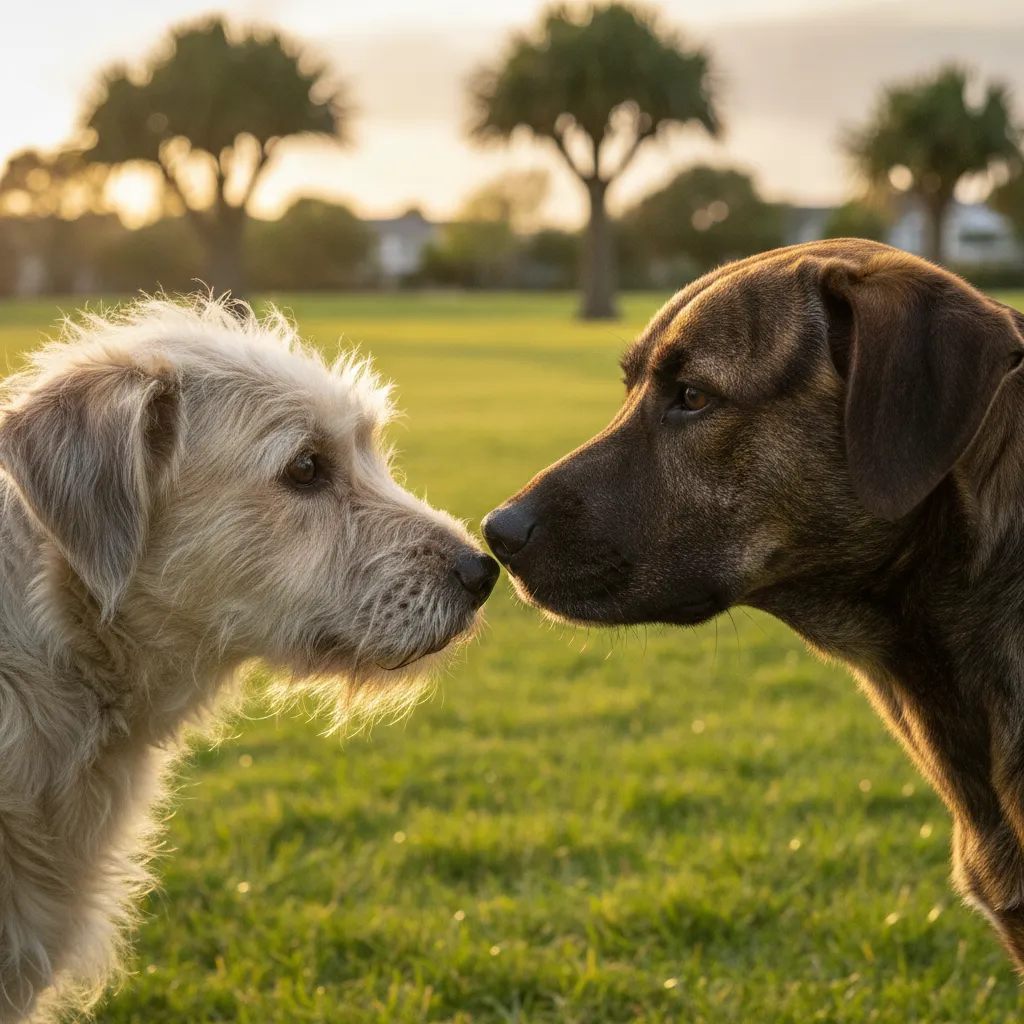
Essential Tips for Successful Dog Introductions in NZ
Bringing a new dog into your home is a massive moment for any Kiwi family. It is exciting, full of hope, and often a little bit nerve-wracking. You want them to be best mates instantly, but the reality is that dogs need time to adjust. Finding the right rhythm takes patience.
At Pet Rescue NZ, we see firsthand what happens when introductions are rushed. Tensions flare, dogs get stressed, and owners feel overwhelmed. We believe in keeping pets out of shelters and ensuring a smooth, home-to-home transition. That is why following Essential Tips for Successful Dog Introductions in NZ is so crucial for your growing whānau.
Key Takeaways
Successful dog introductions require neutral ground, patience, and careful observation of body language. By taking things slowly and using positive reinforcement, you can prevent behavioural clashes. Follow these Essential Tips for Successful Dog Introductions in NZ to ensure a safe, stress-free transition for your pets.
Understanding Dog Behavior
Before you even think about bringing two dogs together, you need to understand how they talk. Dogs rarely use their voices to communicate their true feelings. Instead, they rely entirely on body language.
A wagging tail does not always mean a happy dog. Sometimes, a stiff, high wag indicates high arousal or tension. Learning to read these subtle cues is the foundation of Essential Tips for Successful Dog Introductions in NZ.
Basics of Canine Social Behavior
Dogs are social creatures, but they are also protective of their space and resources. When they meet a stranger, they need to figure out if this new dog is a friend or a threat. They do this through scent and posture.
Allowing them to process these scents without feeling trapped is critical. If a dog feels cornered, their natural fight-or-flight instinct kicks in. This is why we always advocate for slow, pressure-free environments.
Signs of Aggression vs. Signs of Friendliness
It is easy to misinterpret dog play for fighting, or vice versa. Play can be loud and look rough, but the body language remains loose and bouncy. True aggression is stiff, silent, and deliberate.
| Body Language Cue | Signs of Friendliness / Play | Signs of Stress / Aggression |
|---|---|---|
| Posture | Loose, wiggly, play bows (front elbows down) | Stiff, rigid, leaning forward intensely |
| Ears and Eyes | Soft eyes, ears relaxed or perked naturally | Hard stare, whale eye (whites showing), ears pinned flat |
| Tail | Sweeping, relaxed wags at mid-level | Tucked tight under belly OR held high and vibrating stiffly |
Importance of Reading Body Language
By watching their bodies, you can intervene before a situation escalates. If you see a dog freezing up or lip-licking excessively, it is time to create distance. Never force them to interact if they are showing discomfort.
Preparing for Dog Introductions
Preparation is everything. You cannot just walk a new dog through the front door and hope for the best. That is a recipe for territorial disputes.
Set the stage for success by planning the location and having the right tools on hand. A calm environment leads to calm dogs.
Choosing a Neutral Location
Always choose a neutral space for the first meeting. A quiet local park or a friend’s fully fenced backyard works perfectly. This prevents your current dog from feeling like their home is being invaded.
Make sure the area is free of other off-lead dogs. You want a controlled environment where the only focus is on a calm, safe introduction.
Gathering Necessary Supplies
You will need two confident handlers—one for each dog. Equip both dogs with well-fitted harnesses and standard leashes. Avoid retractable leashes, as they offer zero control and can cause tangles.
Bring plenty of high-value treats. You want to reward them heavily for ignoring each other and remaining calm. Positive association is key here.
Before the dogs even see each other, swap their bedding for a night. Let them get used to the other dog’s smell in a safe, relaxed environment.
Ensuring Both Dogs Are Healthy
Before any physical interaction, ensure both dogs are fully vaccinated and treated for fleas and worms. You do not want to accidentally pass on an illness during a stressful transition.
If you are rehoming directly through a platform like Pet Rescue NZ, have an open, honest chat with the previous owner about the dog’s vet history. Transparency saves a lot of heartache.
The Initial Meeting
The moment has arrived. Keep your energy calm and grounded. Dogs are incredibly intuitive and will pick up on your anxiety immediately.
The goal here is not for them to become best friends on day one. The goal is simply mutual tolerance. Indifference is a massive win.
Strategies for Introducing Dogs on Neutral Ground
Start with a parallel walk. Keep the dogs at a distance where they can see each other but cannot touch. Walk them in the same direction, allowing them to sniff the ground and relax.
Slowly close the distance over time, but keep walking. Forward momentum prevents them from locking eyes and staring, which can be perceived as a challenge.
Importance of Controlled Introductions
Keep the leashes loose. A tight leash creates tension around the dog’s neck, which can trigger a defensive reaction. If you need to pull them away, do it gently and cheerfully.
Allow a brief, three-second sniff of each other’s rear ends, then call them away and reward them. Short, positive interactions are far better than prolonged, tense ones.
Monitoring Reactions During the First Meeting
Watch closely for any signs of stiffness or raised hackles. If either dog seems overwhelmed, simply increase the distance between them again.
Do not punish a growl. A growl is a dog’s way of saying, “I need more space.” Respect that boundary, separate them calmly, and try again later.
Gradual Introductions
Once the neutral ground meeting goes well, it is time to move to the home. But this does not mean giving them free rein of the house together.
Patience is your best tool here. Rushing this phase is where most Kiwi families encounter issues. Implementing Essential Tips for Successful Dog Introductions in NZ means taking it one slow step at a time.
Importance of Gradual Exposure
Keep the dogs separated by a physical barrier at first, like a baby gate or a glass door. This allows them to see and smell each other without the pressure of direct contact.
Feed them their meals on opposite sides of the barrier. This builds a positive association—good things happen when the other dog is around.
Remove all toys, bones, and food bowls from the shared environment before letting them interact freely. These are common triggers for resource guarding and sudden fights.
Techniques for Gradual Introductions
Allow short, supervised sessions in the living room or backyard. Keep the leashes attached and dragging on the floor, so you can easily step on them if a scuffle breaks out.
Keep these sessions to just five or ten minutes initially. End the session on a high note while they are still calm, rather than waiting for someone to get grumpy.
Recognizing Stress Signs and Knowing When to Pause
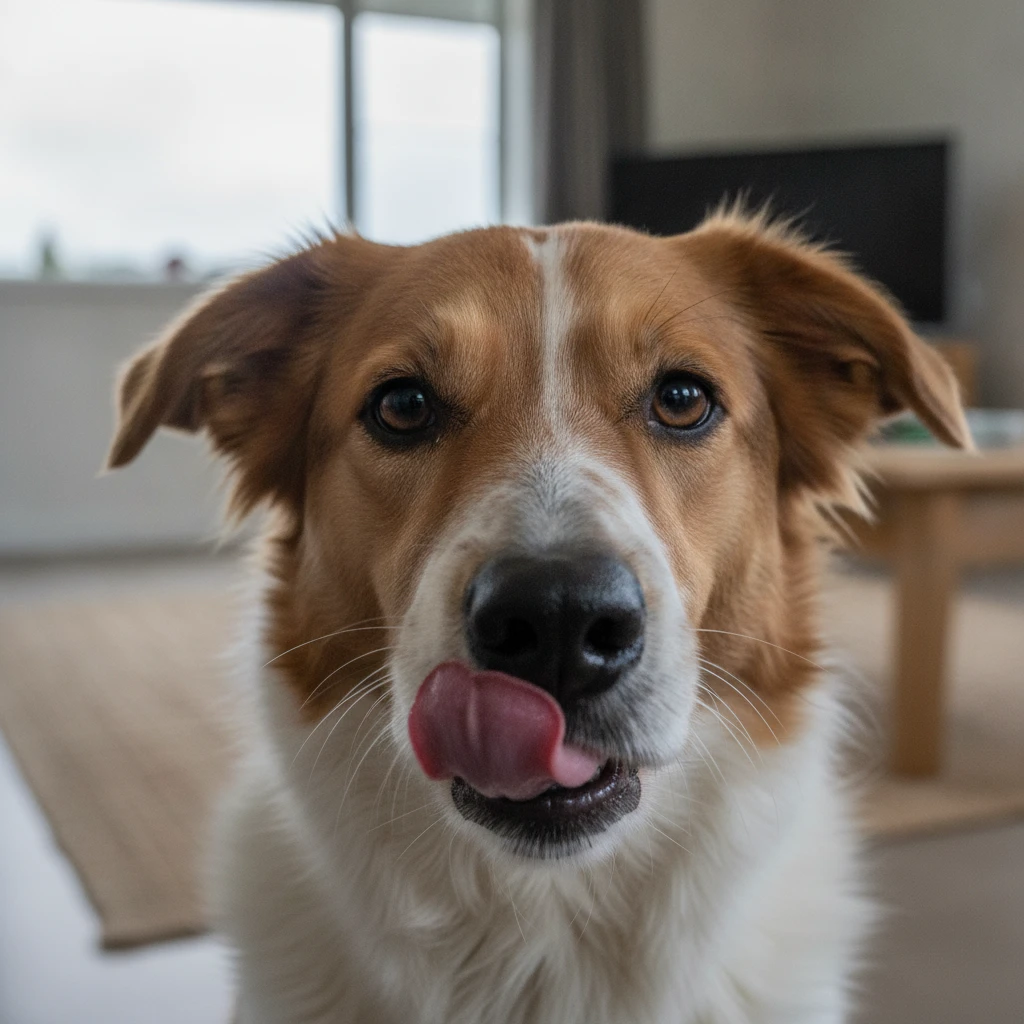
Dogs will tell you when they have had enough. Look for excessive yawning, lip licking, or turning their head away. These are appeasement gestures signalling stress.
If you see these signs, it is time for a break. Put them in separate rooms with a chew toy to decompress. There is no shame in taking a step back.
Managing Conflicts and Reactions
Even with the best preparation, minor disagreements can happen. Dogs will naturally establish boundaries with each other. A quick snap or grumble is often just communication.
The key is how you handle it. Overreacting will only make the dogs more anxious around each other.
How to Handle Aggressive or Fearful Reactions
If a genuine fight breaks out, do not use your hands to separate them—you will get bitten. Use a loud noise, a splash of water, or throw a blanket over them to break their focus.
Once separated, do not yell. Calmly place them in different rooms and give everyone time to cool down. Assess what triggered the event so you can avoid it next time.
Techniques for Redirecting Negative Behavior
If you notice one dog fixating or staring hard at the other, interrupt the behaviour immediately. Use a happy, high-pitched voice to call them to you.
Reward them generously for breaking focus and coming to you. You are teaching them that disengaging from tension is highly rewarding.
Importance of Staying Calm and Assertive
Your dogs look to you for leadership and reassurance. If you are tense, holding your breath, and gripping the leash tightly, they will assume there is danger present.
Take deep breaths. Speak in a warm, relaxed tone. Your calm confidence will help them feel secure in this new dynamic.
Post-Introduction Tips
The first few days are just the beginning. True integration can take weeks or even months. The “rule of three” applies here: three days to decompress, three weeks to learn the routine, and three months to truly feel at home.
Consistency is your best friend during this period. Keep routines predictable so both dogs know exactly what to expect.
How to Reinforce Positive Interactions
Catch them being good. If they are lying quietly near each other, calmly toss a treat to both of them. Praise them softly.
You want to build a massive bank account of positive associations. Every peaceful moment should be quietly celebrated.
Keep all interactions supervised. Feed them in separate spaces. Ensure both dogs get one-on-one time with you every single day to prevent jealousy.
Importance of Supervision in the Early Days
Never leave the dogs alone together unconfined during the first few weeks. If you need to leave the house, separate them securely.
Use crates or shut them in different, dog-proofed rooms. It is simply not worth the risk of an unattended conflict while they are still learning each other’s boundaries.
Tips for Creating a Shared Space for Both Dogs
Ensure there are multiple resting spots available. If there is only one cozy dog bed, they might fight over it. Provide plenty of options.
Respect their need for alone time. If one dog retreats to their crate or a quiet corner, do not let the other dog bother them. Everyone needs a safe haven.
Common Challenges and Solutions
Even the most well-meaning Kiwi families face hurdles. Behavioural issues are a leading cause of stress in multi-dog homes.
In fact, statistics show that behavioural challenges are a significant factor when people look to rehome. Understanding these triggers is vital for keeping pets safe and happy at home.
Addressing Jealousy Between Dogs
Your original dog might feel put out by the new arrival. They are used to having all your attention. Make sure to carve out dedicated time just for them.
Take your first dog for a solo walk or play their favourite game without the new dog present. Reassure them that their place in the whānau is secure.
Managing Resource Guarding
Resource guarding is incredibly common. Dogs will guard food, toys, beds, and even humans. It stems from insecurity, not dominance.
Manage this by removing high-value items when the dogs are together. Trade up—if a dog has something they shouldn’t, offer them a tastier treat to willingly drop it.
Handling Pre-existing Behavioral Issues
If you are adopting a rescue dog, they may come with baggage. Be patient. Trauma takes time to heal, and a quiet, structured environment is the best medicine.
Do not force them into uncomfortable situations. Let them decompress at their own pace. Trust is earned slowly.
When to Seek Professional Help
Sometimes, despite following all the Essential Tips for Successful Dog Introductions in NZ, things do not go to plan. That is okay. Asking for help is a sign of a responsible owner.
Do not wait for a serious injury to occur before reaching out. Early intervention is far more effective than trying to fix deeply ingrained aggression.
Signs That Indicate the Need for Professional Help
If blood is drawn, or if one dog is constantly terrorizing the other, you need a professional. Constant hiding, trembling, or refusing to eat are also major red flags.
If you feel genuine fear or anxiety about managing the dogs together, a trainer can provide the objective guidance and safety protocols you need.
When looking for a trainer in Aotearoa, always choose one who uses positive reinforcement. Aversive methods (like shock collars or alpha rolls) will only increase anxiety and aggression between your dogs.
Resources for Finding Qualified Professionals in New Zealand
Look for trainers affiliated with recognised bodies, such as the Association of Pet Dog Trainers New Zealand (APDTNZ). They adhere to strict ethical standards.
Your local vet is also a fantastic resource. They can often recommend trusted behaviourists in your specific region.
Benefits of Group Classes and Socialization Opportunities
Once your dogs are settled, group obedience classes can be a great way to bond. It provides structured socialization in a controlled, neutral environment.
It also helps both dogs learn to focus on you around distractions, which is a vital skill for peaceful cohabitation.
Additional Resources for Pet Owners
We know that managing pet dynamics can be tough. But you are not alone. There is a massive community of animal lovers across New Zealand ready to support you.
If you ever find that despite your best efforts, the home environment is simply not working out, Pet Rescue NZ is here. We offer a safe, judgment-free platform to help you find a better fit directly.
Overview of Local Organizations and Support
Local community groups and ethical rescue networks can offer advice and support. Lean on these networks before making any drastic decisions.
Remember, avoiding the shelter system entirely is our ultimate goal. Keeping pets in homes—even if it means transitioning to a new one—is the kindest outcome.
Links to Training Resources and Educational Materials
We highly recommend reading up on canine body language. There are fantastic free resources available online through ethical training organizations.
Knowledge empowers you to make the best decisions for your pets. The more you understand how they think, the easier it is to guide them.
Importance of Community Support and Networks
Talk to other dog owners. Share your struggles. You will quickly find that many Kiwi families have faced the exact same challenges.
Building a support network ensures you have people to lean on when the going gets tough. Every pet has a story—let’s help write the next chapter together.

About the Author: Sarah MacMillan
Sarah is the Lead Community Coordinator at Pet Rescue NZ. With over a decade of experience in animal welfare across Aotearoa, she is quietly passionate about keeping pets out of shelters. Her focus is on empowering Kiwi families with practical, judgment-free advice to ensure safe, home-to-home transitions.