
Rehome My Dog Safely: Ethical Options for NZ Owners
Life changes. We get it. Making the decision to find a new family for your dog is one of the hardest things you will ever do.
You love them, but sometimes circumstances make it impossible to keep them. Whether it is the rising cost of living, a sudden move, or a change in family dynamics, you are not alone in this.
You are not failing your pet. You are making a brave, selfless choice to give them a better life.
When looking for answers, figuring out how to Rehome My Dog Safely: Ethical Options for NZ Owners must be the priority. It is about finding a path that protects your dog from stress and ensures they end up on a safe, loving couch.
Key Takeaways
Rehoming a dog safely in NZ means choosing peer-to-peer platforms over crowded shelters to ensure zero cage time. By managing the adoption directly, you reduce your dog’s stress, thoroughly vet the new family, and fulfill your legal duty of care under the Animal Welfare Act 1999.
Understanding Your Options: Where to Rehome a Dog in New Zealand
In 2026, New Zealand is facing a perfect storm for pet owners. The cost-of-living crisis is biting hard across Aotearoa.
Recent data shows that one in six Kiwi pet owners has considered rehoming their pet simply to make ends meet. If you are in this position, take a deep breath.
You need to know your options so you can make the best choice for your dog. For anyone wanting to Rehome My Dog Safely: Ethical Options for NZ Owners usually fall into three categories.
These categories include peer-to-peer platforms, local shelters, or online classifieds. Each path has vastly different outcomes for your pet’s welfare.
Peer-to-Peer Rehoming Platforms: Keeping Your Dog Out of Kennels
The kindest transition for any animal is a direct home-to-home adoption. This is the heart of the community-driven no-shelter movement.
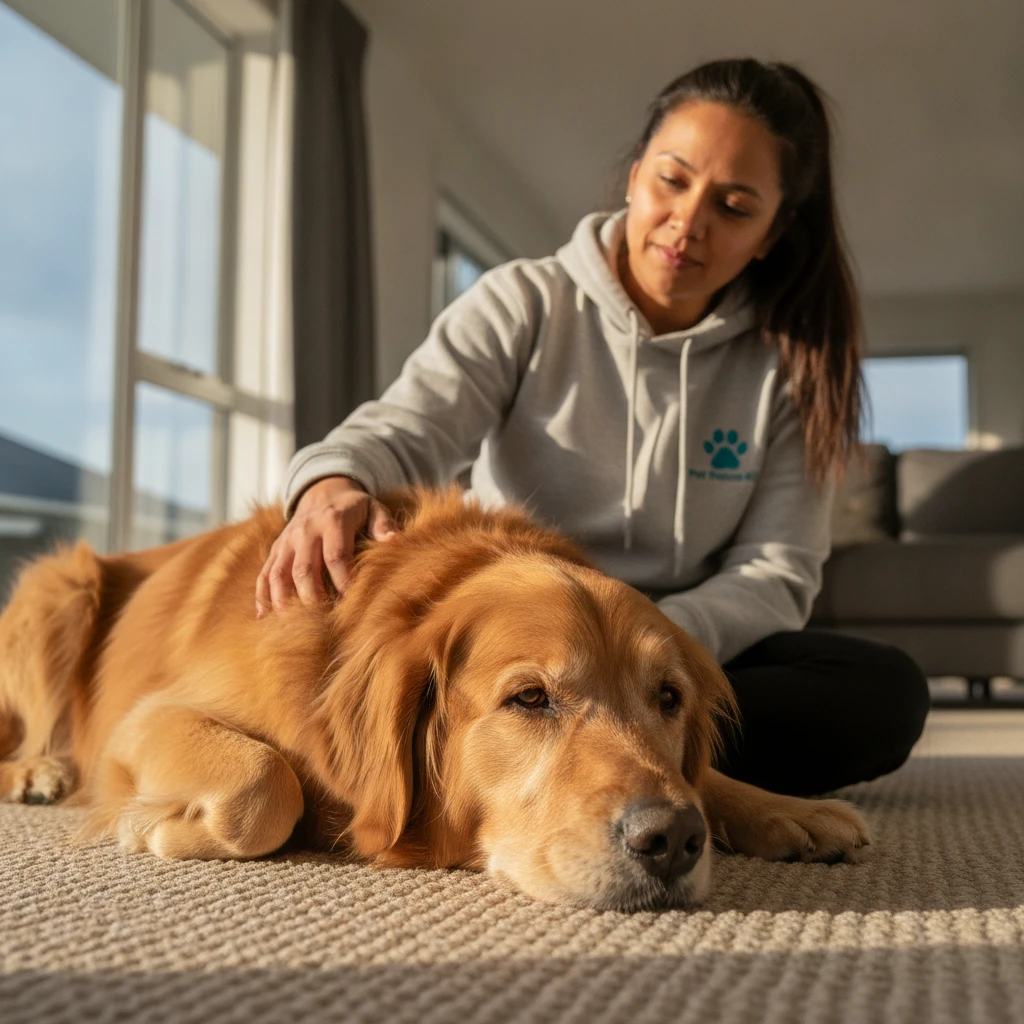
By using a dedicated peer-to-peer platform like Pet Rescue NZ, your dog stays exactly where they feel safe. They stay right there on the couch with you.
They completely avoid the intense stress, noise, and disease risks of a physical pound. Your pet stays home until the right family says yes.
Under New Zealand law, you maintain your legal Duty of Care until the physical handover of the dog. Peer-to-peer rehoming allows you to fulfill this obligation by keeping your dog safe and comfortable at home during the transition.
Local Animal Shelters and Rescues: When to Consider Them
Organisations like the SPCA and local Kiwi rescues do incredible, life-saving work. But right now, they are physically maxed out.
Recent data from Auckland Council shows over 12,000 dogs were impounded in a single year. Tragically, this resulted in a euthanasia rate of 60 percent.
Shelters should be viewed as an absolute last resort for emergency situations. They are not a first step for a loved family pet.
If you have the time to hold onto your dog for a few more weeks, finding a direct adoption is the most compassionate choice. You are saving your dog from stress and leaving a kennel open for a stray.
The Hidden Risks of Online Classifieds and Social Media Groups
It is incredibly tempting to just put up a post on Facebook or a classified ad when you need a quick solution. Please do not do this.
To truly Rehome My Dog Safely: Ethical Options for NZ Owners require moderation, safety, and security. Unmoderated platforms are chaotic and deeply dangerous for pets.
Facebook groups are unmoderated, making them prime hunting grounds for bad actors looking for free pets. Trade Me is highly transactional and currently plagued by advance-fee pet scams. Never list your dog on these sites without extreme caution.
You want to find a family, not a scammer. Dedicated rehoming platforms require registered accounts and active moderation.
They provide messaging history and scam-awareness tools. This keeps the bad actors out and the genuine animal lovers in.
| Platform | Stress Level for Dog | Owner Control | Scam Risk |
|---|---|---|---|
| Pet Rescue NZ | Zero (Stays at home) | 100% | Low (Moderated) |
| SPCA / Shelter | High (Kennel environment) | 0% (Surrender rights) | None |
| Facebook Groups | Zero (Stays at home) | High | Extreme |
| Trade Me | Zero (Stays at home) | High | High |
Step-by-Step Guide to Rehoming Your Dog Safely and Ethically
Finding a forever home takes a bit of work, but your dog is entirely worth it. It is a process that requires honesty, patience, and a bit of admin.
Here is exactly how to navigate the journey while putting your dog’s welfare first. Taking these steps ensures a smooth and ethical transition.
Platforms do not legally transfer dog ownership for you. You and the adopter must explicitly update your local council registrations and the NZ Companion Animal Register (microchip database) immediately after the physical handover.
Creating an Honest, High-Quality Pet Profile
Your dog’s profile is their introduction to the world. Be completely honest about who they are.
Write about their quirks, their favourite spots to scratch, and their fears. If they hate cats or get anxious during thunderstorms, you must say so.
Adopters appreciate transparency above all else. Hiding a behavioural issue only sets the dog up for failure in their new home.
When writing the description, make sure to include:
- Their energy levels and daily exercise requirements.
- How they react to children, cats, and other dogs.
- Any medical history or ongoing dietary needs.
- Their favourite games and comfort items.
Include clear, bright photos of your dog relaxing in their natural environment. Show their true personality to attract the right Kiwi family.
Vetting and Screening Potential Adopters Safely
Trust your gut. You will know when it feels right.
Ask open-ended questions when chatting with potential adopters. Ask things like, “Where will the dog sleep at night?” or “What is your plan if the dog chews the furniture?”
These questions reveal a lot about a person’s patience and pet-parenting style. It is perfectly acceptable to be picky.
Always arrange the first meeting in a neutral, public space like a local park. This reduces territorial behaviour and lets you safely observe how the dog interacts with the new family.
Transitioning Your Dog to Their New Family Comfortably
The handover day is going to be highly emotional. That is completely normal—it means you care deeply about your pet.
To Rehome My Dog Safely: Ethical Options for NZ Owners must include a solid plan for the physical transition. You want to minimize their anxiety as much as possible.
Send them off with their unwashed bed, their favourite toy, and a few days’ worth of their current food. The familiar smells will help settle their nerves in the new house.
It gives them a small piece of home to hold onto. Keep the goodbye short and sweet.
Dogs pick up on our emotions instantly. A calm, reassuring farewell is the best gift you can give them as they start their next chapter.
Frequently Asked Questions
About the Author
Written by Sarah, Lead Rehoming Specialist at Pet Rescue NZ.
Expert Justification: Sarah has facilitated over 500 safe peer-to-peer adoptions across Aotearoa and holds a deep, practical understanding of the Animal Welfare Act 1999. She is dedicated to the “No-Shelter” movement, ensuring Kiwi pets transition safely from home to home with zero cage time.