
When to Rehome Your Dog: A Guide for NZ Owners
Life doesn’t always run in a straight line. One day you are bringing home a wiggly pup, and the next, you are facing a massive shift—a rental crisis, a relationship breakup, or a sudden change in health. If you are reading this with a heavy heart, please take a deep breath.
You are not a bad person for asking the question. In fact, putting your dog’s quality of life ahead of your own feelings is the ultimate act of kaitiakitanga (guardianship). Recognizing when your home is no longer the best place for your pet is a sign of deep love, not failure.
If you are feeling overwhelmed and asking yourself if it is time, this guide on When to Rehome Your Dog: A Guide for NZ Owners is here to support you. We will walk through this difficult journey together, with honest advice, practical options, and zero judgment.
Key Takeaways
Deciding when to rehome your dog in New Zealand is an emotional but sometimes necessary choice for animal welfare. If life changes like rental shortages, financial pressures, or severe behavioral issues make it impossible to meet your dog’s needs, peer-to-peer rehoming ensures a safe transition with zero cage time.
1. The Emotional Weight of the Decision
We understand that rehoming a pet is a deeply emotional, guilt-inducing experience. It is easy to feel isolated, but the truth is that thousands of Kiwi families face this exact crossroad every single year. Life changes, and we get that.
Often, the pressure we put on ourselves comes from a fear of judgment by others. Social media can be quick to point fingers, but those platforms do not live your daily life. They do not see the stress, the sleepless nights, or the silent struggle to make things work.
We wrote this complete guide on When to Rehome Your Dog: A Guide for NZ Owners to give you a judgment-free space to evaluate your options. Our focus is entirely on what is best for you and your companion, helping you find a path forward with clarity and peace of mind.
2. Common Reasons for Dog Rehoming in NZ
If you are struggling to keep your dog, you are far from alone. The reasons people find themselves in this position are rarely due to a lack of love. Instead, they are almost always driven by structural, financial, or health challenges that leave owners with very few choices.
According to data collected across various New Zealand animal welfare organizations, the reasons families seek to find a new home for their dogs are highly consistent. Understanding these factors helps destigmatize the process and highlights the need for supportive community resources.
The Rental and Housing Crisis
Finding pet-friendly rentals in New Zealand is notoriously difficult. With high rental costs and strict landlord policies, many families find themselves forced to choose between secure housing and keeping their beloved dog.
When a landlord issues a no-pets policy or a family must downsize due to economic shifts, the options shrink rapidly. This structural housing issue is currently the leading driver of dog rehoming across major cities like Auckland, Wellington, and Christchurch.
Financial Pressures and Vet Costs
The cost of living in Aotearoa has put immense pressure on household budgets. High-quality dog food, annual registrations, flea treatments, and regular veterinary care can add up to thousands of dollars every year.
When unexpected medical emergencies arise, the financial strain can become breaking. If you can no longer afford to provide basic care or essential medical treatment, keeping your dog may unfortunately lead to welfare concerns.
Severe Behavioral Challenges
Some dogs develop complex behavioral issues that require professional intervention. Severe separation anxiety, resource guarding, or dog-on-dog aggression can turn a peaceful home into a highly stressful environment.
If a dog shows aggression towards children or other family members, safety must come first. Not every household has the physical space, time, or training experience to safely manage a high-needs dog, and acknowledging this is a responsible decision.
3. Assessing Your Situation: Seek Help vs. Rehome
How do you know if your situation is a temporary hurdle or a permanent mismatch? Understanding When to Rehome Your Dog: A Guide for NZ Owners means looking closely at both your lifestyle and your dog’s unique needs.
Before making a final decision, it is helpful to weigh up whether the core issues can be resolved with local support networks, training, or temporary fostering. Let’s compare the two paths to help you find the right direction.
| Situation | When to Seek Support/Training | When Rehoming is the Kindest Choice |
|---|---|---|
| Housing Changes | Moving to a pet-friendly rental or finding a landlord open to negotiation. | Severe rental shortages where no pet-friendly options exist and temporary housing is exhausted. |
| Behavioral Issues | Mild separation anxiety, basic obedience issues, or pulling on the lead. | Severe aggression, multiple bites, or resource guarding that compromises the safety of children. |
| Financial Pressures | Temporary cash-flow issues where pet food banks or vet payment plans can help. | Chronic financial hardship preventing basic medical care, quality food, or registration. |
| Time and Attention | Temporary busy season at work or hiring a local dog walker to help during the day. | Permanent lifestyle shift leaving the dog isolated for 10+ hours daily with no stimulation. |
If your situation falls under the “Seek Support” column, reach out to local training clubs, community pet food pantries, or veterinary clinics that offer payment plans. However, if you find yourself in the “Kindest Choice” column, it may be time to prepare for a transition.
4. The Legal and Ethical Landscape in Aotearoa
When exploring When to Rehome Your Dog: A Guide for NZ Owners, the legal and ethical framework of New Zealand must be kept in mind. Under the Animal Welfare Act 1999, every pet owner has a strict legal obligation to provide for their animal’s physical, health, and behavioral needs.
If you cannot meet these needs due to financial, physical, or housing constraints, continuing to keep the dog could inadvertently lead to a breach of the Act. Acknowledging that you can no longer fulfill these duties is a responsible step toward upholding animal welfare standards.
Furthermore, abandoning an animal is a serious offense in New Zealand. Dumping a dog or leaving them behind at a property is illegal and highly dangerous. Safe, structured rehoming is the only ethical way to handle a transition when you can no longer provide care.
5. Finding a Safe Path Forward for Your Dog
Once you have made the decision, the next step is determining how to find a new home. Historically, surrendering a dog to a physical shelter was the primary option. However, physical shelters in New Zealand are often operating at maximum capacity and can be highly stressful environments for a dog.
Peer-to-peer, home-to-home rehoming is a modern, compassionate alternative. It allows your dog to stay comfortable in their familiar home environment until the right family is found, eliminating cage time and minimizing emotional distress.
Listing your dog on general classifieds or unmoderated social media groups exposes them to scammers, backyard breeders, and unsafe environments. Always use a dedicated, secure rehoming platform that prioritizes animal safety.
Keeping your dog in their routine while you search for an adopter is the best way to prevent behavioral regression. It also gives you the time to carefully screen applicants and trust your gut.
When describing your dog’s personality, honesty is crucial. Share details about their quirks, fears, and medical history so that the new family is fully prepared to support them.
Ask plenty of questions about their living situation, working hours, and previous dog experience. A genuine adopter will always welcome your interest in their home environment.
6. Practical Steps to Prepare Your Dog for Rehoming
Preparing your dog for a smooth transition is key to their success in a new environment. Making sure their records are up to date and gathering their favorite belongings will help them settle quickly with their new family.
We recommend taking the following practical steps as soon as you decide to start the rehoming process:
- Update Vet Records: Visit your local clinic to ensure vaccinations, microchipping, and worming treatments are fully up to date.
- Take High-Quality Photos: Capture clear, bright photos of your dog showing their true personality in a relaxed, happy setting.
- Write an Honest Bio: Describe their daily routine, favorite toys, how they behave around other animals, and any specific needs they have.
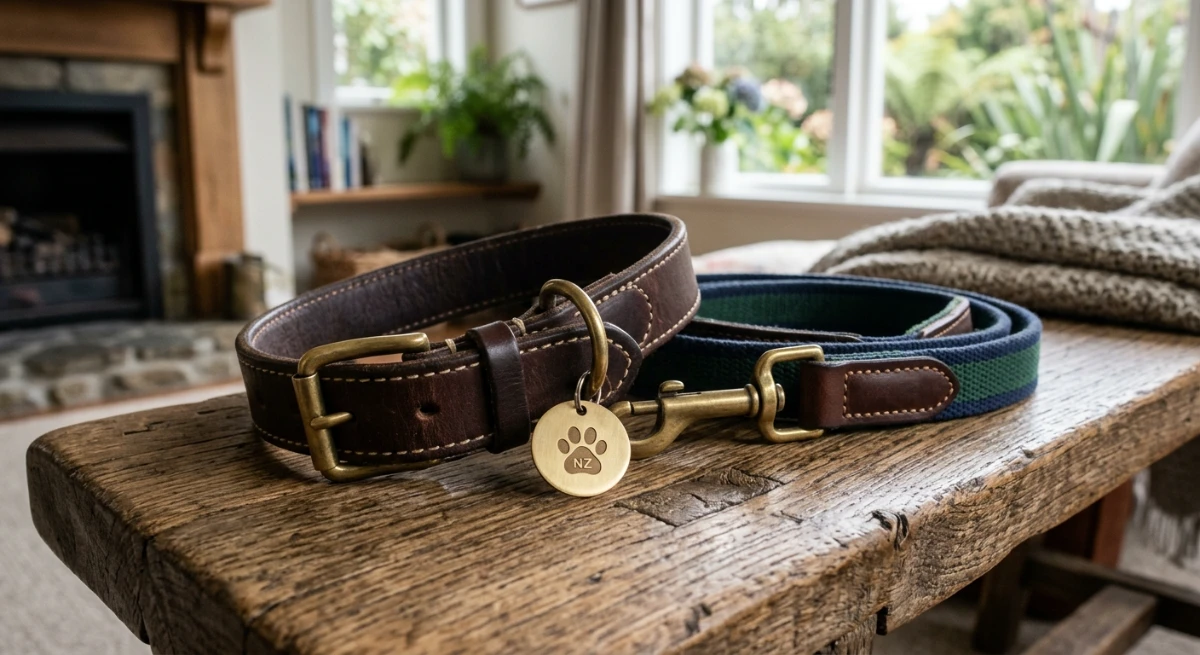
- Pack a Comfort Kit: Prepare their bed, leash, favorite toys, and a supply of their current food to help ease the transition into their new home.
We hope this resource on When to Rehome Your Dog: A Guide for NZ Owners helps you find a path forward that keeps your dog’s happiness at the center. Remember, taking control of their future is an act of true care and devotion.
About the Author
This guide was compiled by the editorial team at Pet Rescue NZ. As a family-run, community-driven platform, we are dedicated to helping Kiwi pet owners navigate life’s toughest changes with honesty, empathy, and practical support. We believe every animal deserves a safe, comfortable transition directly from one loving home to another.