
When to Rehome Your Dog: Signs for NZ Dog Owners
Life changes. We get it. Sometimes, despite our best intentions and deepest love, the circumstances of our lives shift in ways we never saw coming.
Whether it is a sudden move, a change in your family structure, or financial pressures that make vet bills feel like mountains, you might find yourself asking a question that breaks your heart. Is it time to let your companion go?
For most Kiwis, our dogs are whānau. They are loyal companions who greet us at the door and share our quietest moments. That is why even thinking about When to Rehome Your Dog: Signs for NZ Dog Owners feels heavy with guilt and shame.
But sometimes, holding on when you can no longer provide what they need is not the kindest choice. Recognizing When to Rehome Your Dog: Signs for NZ Dog Owners is about putting your dog’s welfare first, even when it hurts.
Key Takeaways
Deciding on When to Rehome Your Dog: Signs for NZ Dog Owners involves assessing chronic financial hardship, severe housing instability, unmanageable safety risks, or a drastic decline in your ability to meet their daily needs. Recognizing these signs early allows for a compassionate, planned transition that prioritizes your dog’s long-term well-being.
1. The Reality of Dog Ownership in New Zealand Today
Owning a dog in Aotearoa is a beautiful experience, but it has become increasingly challenging in recent years. According to the Companion Animals New Zealand (CANZ) Pet Data Report, roughly 31% of Kiwi households share their lives with a dog. While our love for our pets remains incredibly strong, the structural barriers to keeping them have intensified.
The combination of a tight rental market, rising inflation, and the soaring costs of veterinary care has created a perfect storm for pet owners. Shelters across the country, from the SPCA to local volunteer rescues, are constantly operating at or near maximum capacity. In Auckland alone, organizations like the Saving Hope Foundation have reported record-breaking numbers of surrender requests, highlighting the immense pressure on families.
Most surrenders do not happen because owners have stopped caring for their animals. Instead, they occur because everyday Kiwis are forced into impossible situations where they can no longer provide a stable, healthy life for their dogs. Understanding the broader landscape helps us see that rehoming is often a systemic issue, not a personal failure.
Life changes quickly, and sometimes the kindest act of guardianship is recognizing when your home can no longer support your dog’s physical or emotional needs.
2. Core Signs It Might Be Time to Rehome
Deciding to find a new family for your dog is never easy. However, there are several clear indicators that your current situation is no longer sustainable or safe for your pet. Let’s look at the primary signs that point toward rehoming as the most responsible path forward.
Chronic Financial Hardship
The cost of premium dog food, routine vaccinations, flea treatments, and emergency vet bills has risen sharply. If you find yourself consistently unable to afford basic veterinary care, proper nutrition, or life-saving medication, your dog’s quality of life will inevitably decline. When financial strain leads to prolonged discomfort or untreated illness, finding a family who can comfortably manage these costs is a deeply compassionate choice.
Severe Housing Instability
New Zealand’s rental housing market remains incredibly restrictive for pet owners. If you are faced with a sudden relocation, rental termination, or are forced into emergency housing that strictly prohibits dogs, you may have very few options. While we always advocate for fighting for pet-friendly tenancies, sometimes the threat of homelessness makes immediate rehoming the only realistic way to keep your dog safe and warm.
Unmanageable Behavioral Issues and Safety Risks
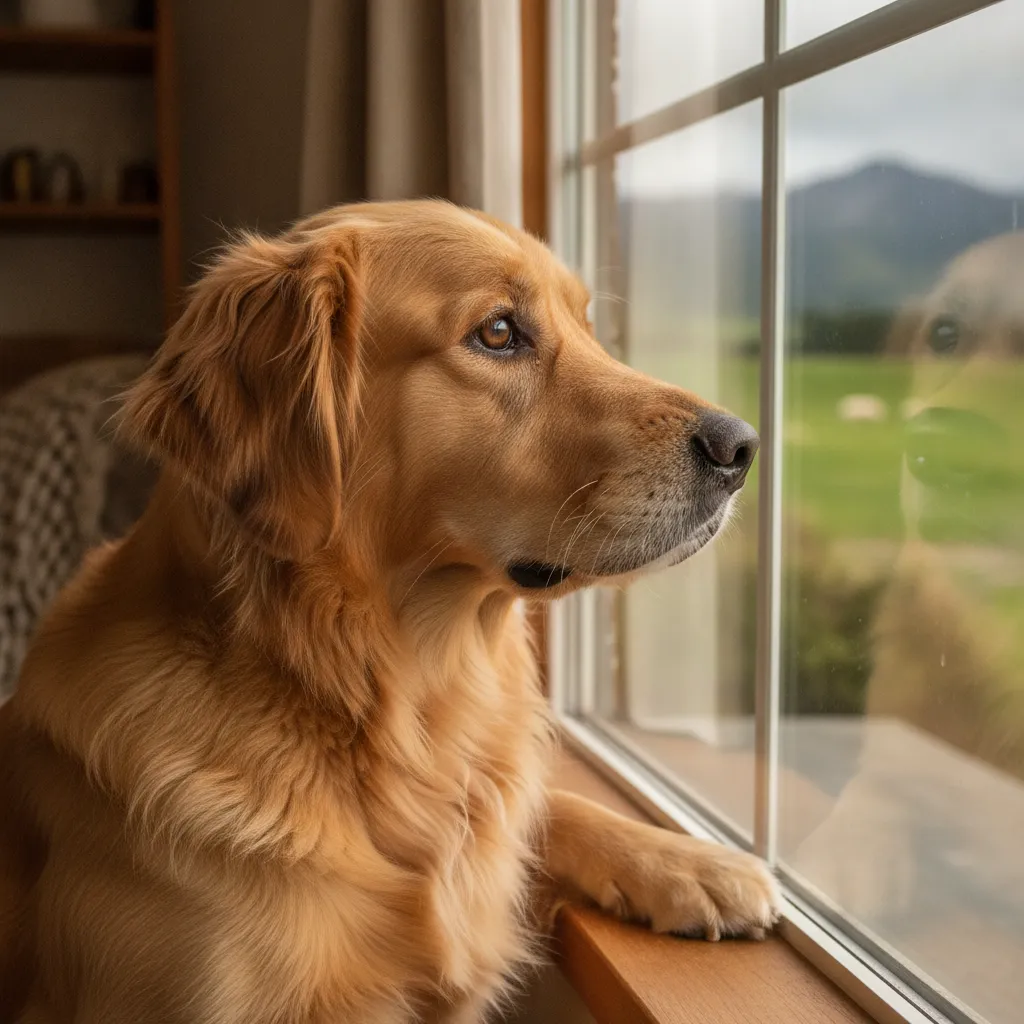
Some dogs develop severe behavioral challenges, such as extreme resource guarding, high prey drive, or territorial aggression. If your dog has bitten a family member, a child, or another animal, the safety dynamics of your household are permanently altered. When professional positive-reinforcement training is financially out of reach or fails to resolve the danger, rehoming to an experienced, child-free, or single-pet home is often the only safe option.
Never ignore severe aggression or bite history. If your home environment cannot be kept safe, keeping the dog puts everyone—including the dog—at risk of legal and physical consequences.
Drastic Changes in Owner Health or Mobility
A sudden illness, physical disability, or the natural decline that comes with aging can severely impact your ability to care for an active dog. High-energy breeds require regular physical exercise and mental stimulation to prevent frustration and destructive behavior. If you can no longer walk, play with, or physically manage your dog, and you lack a local support network to assist you, their mental and physical health will suffer.
Chronic Lack of Time and Quality of Life
Working longer hours to cope with cost-of-living pressures is a common reality for many Kiwi families. If your dog is left entirely alone in a backyard or small apartment for 10 to 12 hours every day, they are not living a fulfilled life. When your lifestyle leaves you with virtually no time to interact with, train, or bond with your dog, recognizing that they deserve a home with more companionship is an act of true love.
3. Temporary Struggle vs. Permanent Misalignment
Before making a final decision, it is vital to distinguish between a temporary rough patch and a permanent lifestyle mismatch. Many challenges can be resolved with short-term support, local community networks, or targeted training.
If your situation is temporary—such as a busy semester at university, a short-term contract, or a minor behavioral issue—rehoming may be premature. However, if the underlying issues are chronic and unlikely to change, keeping the dog in an unsuitable environment can cause long-term emotional and physical harm.
| Your Situation | Try This First | When Rehoming is Best |
|---|---|---|
| Housing Restrictions | Create a detailed pet CV and offer a pet bond or veterinary references. | Facing imminent homelessness or living in unsafe, unapproved conditions. |
| Financial Strain | Look into community pet food banks, vet payment plans, or local charities. | Chronic inability to afford basic nutrition, preventative care, or critical medical treatment. |
| Behavioral Issues | Work with a qualified positive-reinforcement trainer or veterinary behaviorist. | Severe, unmanageable aggression that poses an active physical danger to your family. |
| Time and Lifestyle | Hire local dog walkers, ask neighbors for help, or use doggy daycare options. | Long-term lifestyle changes leave the dog isolated for 10+ hours daily with no physical outlet. |
When searching for a rental in NZ, present potential landlords with a “Pet CV” containing vet references, proof of desexing, and a sweet photo. It can make all the difference.
4. Overcoming Guilt: Rehoming as an Act of Kaitiakitanga
The emotional weight of deciding When to Rehome Your Dog: Signs for NZ Dog Owners can feel completely overwhelming. You might worry about what your friends, family, or neighbors will think of your decision. It is easy to fall into the trap of feeling like you have failed your companion.
However, in Māori culture, we speak of kaitiakitanga—the sacred responsibility of guardianship and protection. True guardianship does not mean holding onto an animal when you can no longer provide a good life for them. Instead, it means stepping up, putting your ego aside, and ensuring they find a home where they can truly thrive.
Rehoming is not about abandoning your dog or giving up on them. It is a deliberate, loving, and proactive transition that prioritizes their happiness and safety over your comfort. Recognizing your limitations is a sign of emotional maturity and deep love for your pet.
5. How to Rehome Safely: Peer-to-Peer vs. Shelters
Once you have recognized the signs and made the difficult decision to rehome, the next step is determining the safest path for your dog. Traditionally, surrendering to a shelter was the primary option, but today’s rescue landscape is under unprecedented strain.
Physical shelters are loud, stressful, and highly confusing environments for a family dog. Furthermore, because shelters are running at capacity, they may be forced to turn you away or put you on a long waiting list. This is why direct, home-to-home rehoming has become the preferred choice for compassionate owners.
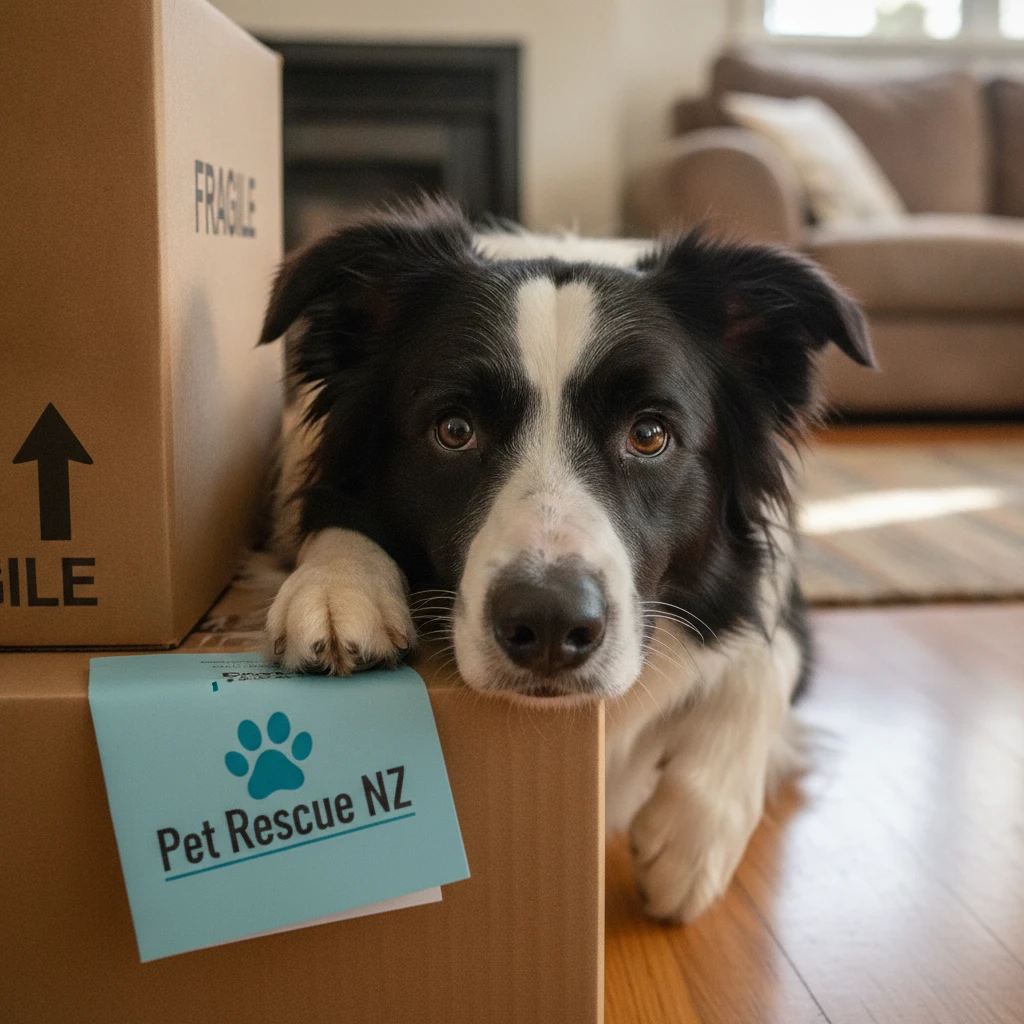
By utilizing peer-to-peer platforms like Pet Rescue NZ, your dog stays safely in their comfortable home environment until their new family is found. You retain 100% control over who adopts your pet, allowing you to ask questions, meet the family face-to-face, and ensure their new home is the perfect fit. It completely eliminates kennel stress and keeps shelter spaces open for stray or abused animals who have no other options.
6. Practical Checklist for NZ Dog Owners
If you have decided that rehoming is the kindest path forward, taking structured, practical steps will help ensure a safe and smooth transition for your dog. Here is a checklist to guide you through the process:
- Gather Health Records: Collect vaccination booklets, desexing certificates, microchip papers, and any ongoing vet history.
- Take Clear Photos: Capture bright, high-quality photos of your dog in natural light, showing their personality and size.
- Write an Honest Bio: Detail their personality, favorite toys, quirks, and any specific needs (such as being the only pet or needing a secure fence).
- Screen Potential Adopters: Prepare a list of questions about their home, routine, and dog-owning experience to ensure a safe match.
- Arrange a Meet-and-Greet: Meet potential adopters in a neutral, outdoor space first to see how your dog reacts to them.
Start the rehoming process as early as possible. Giving yourself several weeks ensures you do not have to make rushed decisions under pressure.
About the Author
This guide was compiled by the team at Pet Rescue NZ. We are a family-run, community-funded platform dedicated to helping Kiwi pet owners navigate difficult transitions with honesty, warmth, and complete transparency. We believe every animal deserves a loving home, and we are always on the side of the companion animals of Aotearoa.