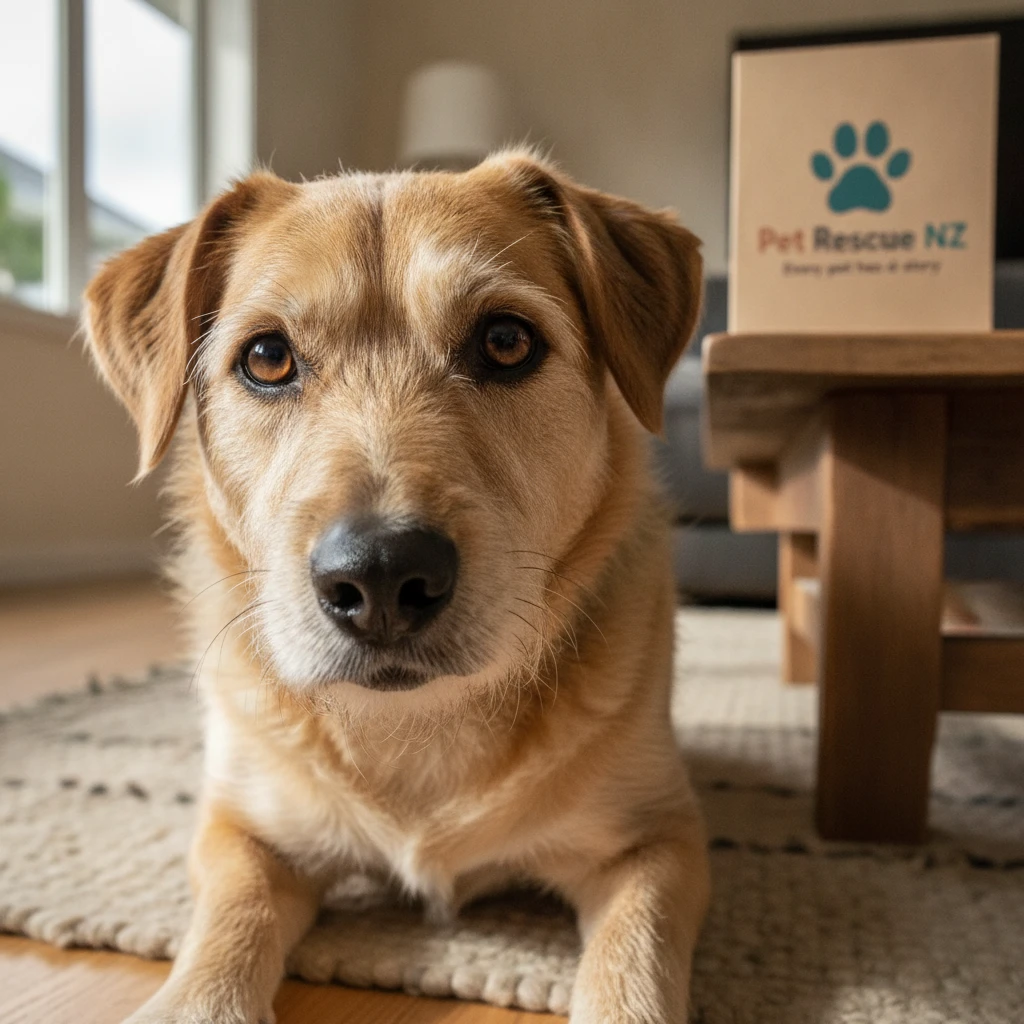
When to Safely Rehome Your Dog in NZ: Key Signs to Know
You are sitting on the living room rug, and your dog has laid their head on your knee. It is quiet, but inside your head, there is a storm of worry. Maybe you are looking at a rental market that feels impossible, or maybe the grocery and vet bills are stacking up higher than you can reach.
Deciding to rehome a beloved family member is one of the heaviest, most heartbreaking choices a pet parent can make. There is often a lot of shame and guilt tied up in this process, but we want to tell you something clearly: life changes, and we get it. Sometimes, letting go is the kindest, most responsible thing you can do for your dog.
Our goal is to help you navigate this emotional crossroads with clarity, dignity, and absolute safety for your pet. In this guide, we will walk through how to recognize the crucial moments when your circumstances are no longer serving your dog’s wellbeing, and how you can manage this transition with care.
Key Takeaways
Understanding When to Safely Rehome Your Dog in NZ: Key Signs to Know involves assessing their quality of life, safety, and your financial or housing stability. Recognizing key signs—like severe resource strain, unmanageable safety risks, or restrictive rentals—helps you make a compassionate, timely decision before reaching a crisis point.
The Reality of Dog Rehoming in New Zealand
New Zealanders love their pets. According to the 2024 NZ Pet Data Report, 63% of Kiwi households share their lives with companion animals, with dogs keeping us active and happy in 31% of homes. Yet, love is only one part of the equation.
Recent economic shifts have introduced severe challenges. The cost-of-living crisis has deeply affected pet parents, with a Companion Animals NZ survey showing that 26% of pet guardians struggle to meet their animals’ basic needs due to rising costs.
At the same time, regional rescue groups are facing unprecedented pressure. In Auckland alone, shelters are operating at maximum capacity, with euthanasia rates rising significantly as surrenders climb and adoption rates drop. This makes understanding When to Safely Rehome Your Dog in NZ: Key Signs to Know incredibly important for responsible pet ownership.
To put this crisis in perspective, let us look at the trends from council animal shelters in recent years. The rising numbers represent a system under heavy strain, which is why home-to-home rehoming has become such a vital alternative to shelter surrender.
These figures are tough to read, but they show why we advocate so strongly for peer-to-peer rehoming. When you choose to rehome your dog directly from your home to a new family, you keep them out of a cage and protect them from this high-pressure system.
Key Signs It Is Time to Rehome Your Dog
How do you know when you have crossed the line from a difficult patch into a situation that is no longer sustainable? Recognizing the indicators of When to Safely Rehome Your Dog in NZ: Key Signs to Know is the first step toward making an informed, loving decision.
1. Severe Resource and Financial Strain
Good intentions cannot pay for vet bills or high-quality nutrition. If you are regularly choosing between buying your own groceries and purchasing your dog’s food, or if you cannot afford basic veterinary care, your dog’s welfare is at risk.
Medical emergencies happen. If a sudden illness or injury would leave you completely unable to provide treatment, it is a sign that your financial situation is impacting your ability to provide a safe environment.
2. Unmanageable Behavioural or Safety Risks
Not every home is equipped for every dog’s behavioral needs. If your dog exhibits severe aggression toward children, other pets, or visitors, and professional training has not helped, safety must come first.
Living in constant fear of an incident creates a high-stress environment for both you and your pet. A dog that is constantly anxious, reactive, or defensive may thrive in a quiet, single-person home where their triggers do not exist.
3. Drastic Lifestyle or Housing Changes
The rental market in New Zealand is incredibly tough for pet owners. If you are facing a sudden relocation and find yourself locked out of pet-friendly rentals, you may feel backed into a corner.
Similarly, major life transitions—like a relationship breakdown, severe illness, or a massive increase in working hours—can leave you with zero time to offer your dog the exercise and companionship they need to stay healthy.
4. Physical Inability to Meet the Dog’s Needs
Sometimes, our bodies change before our hearts do. If you have developed a chronic health condition or mobility issues, providing a high-energy dog with daily walks and physical play can become impossible.
Keeping an active working breed confined to a small space without mental or physical outlets often leads to destructive behaviors. Recognizing this mismatch is a sign of deep self-awareness, not failure.
Knowing When to Hold On vs. When to Rehome
Before making the final decision, it is helpful to look at your options objectively. Sometimes a small shift can make staying together possible, while other times, rehoming is clearly the best path forward.
| Challenge | When to Hold On (Try Support First) | When to Safely Rehome |
|---|---|---|
| Financial Hardship | Temporary cash flow issues. You can access local pet food banks or negotiate vet payment plans. | Long-term poverty. Basic needs like vaccinations, flea treatments, and quality food are consistently missed. |
| Behavioral Issues | Mild anxiety or chewing. You have the time and budget to work with a force-free trainer. | Severe aggression toward family members or other pets that cannot be safely managed. |
| Housing Changes | Moving to a new rental but have time to search for pet-friendly options or offer a pet CV. | Sudden homelessness or landlord restrictions with zero options for pet-friendly accommodation. |
| Time & Work | Temporary busy season. You can hire a dog walker or use doggy daycare a few times a week. | Permanent lifestyle shift leaving the dog isolated for 10+ hours a day with no stimulation. |
If you realize that your situation matches the “When to Safely Rehome” column, please take a deep breath. You are making a decision based on what is best for your dog, which is the ultimate act of love.
How to Rehome Your Dog Safely in New Zealand
Once you have decided that rehoming is the best path forward, the next step is doing it in a way that protects your dog’s physical and emotional safety. Understanding When to Safely Rehome Your Dog in NZ: Key Signs to Know also means knowing how to manage the process ethically.
Why Home-to-Home Rehoming is the Kindest Choice
Surrendering your dog to a physical shelter should be a last resort. Even the best shelters are loud, stressful, and confusing environments for a dog who is used to a warm couch. It can cause severe behavioral regression and anxiety.
By using a peer-to-peer rehoming platform, your dog stays safely at home with you until the perfect new family is found. You retain 100% control over who they go to, and you can share their exact routine, personality quirks, and favorite toys directly with their new owners.
Gather vet records, write an honest profile, take clear photos in natural light, and prepare a list of screening questions for potential adopters.
Preparing Your Dog’s Rehoming Profile
Honesty is your greatest tool when writing a profile. Do not try to hide your dog’s challenges. If they bark at cats, dislike loud noises, or need a yard with secure fencing, state it clearly.
The right family will not be deterred by these details—in fact, it helps ensure your dog does not end up being passed around or returned because of a mismatch. Focus on finding a home that matches their specific needs.
Take photos of your dog looking directly at the camera at their eye level. Avoid blurry indoor shots; natural outdoor light always showcases their true personality best.
Avoiding Scams and Unsafe Situations
Unfortunately, unmoderated social media groups and generic classified sites are filled with bad actors. Giving a dog away “free to a good home” on Facebook is incredibly risky, as these dogs can easily end up in backyard breeding operations or worse.
Using a dedicated, secure platform like Pet Rescue NZ allows you to interact with genuine adopters who are willing to go through a proper screening process. Always trust your gut—if an adopter seems rushed, refuses to meet in person, or avoids answering basic questions, walk away.
Never agree to ship your dog to someone you have not met. Genuine Kiwi families will always be willing to meet you and your dog in person before finalizing an adoption.
When you find a potential adopter, arrange a meeting in a neutral, safe space like a local park. Watch how they interact with your dog, and ask open-ended questions about their lifestyle, yard fencing, and previous pet experience.
Once the adoption is complete, make sure to transfer the microchip registration details on the New Zealand Companion Animal Register (NZCAR) to the new owner.
A Compassionate Path Forward
Rehoming is not a sign of failure; it is a sign of profound responsibility. It means you are putting your dog’s actual physical and emotional needs above your own desire to keep them close. That is what true kaitiakitanga is about.
Take your time, use secure resources, and remember that you are not alone in this. Every pet has a story—let us help you write the next chapter of theirs safely, honestly, and with love.
Frequently Asked Questions
About the Author
This guide was written by the team at Pet Rescue NZ. As a family-run, community-driven platform, we are dedicated to helping Kiwi families navigate pet rehoming with compassion, transparency, and safety. We believe every animal deserves a loving home without institutional shelter stress.